
Briefly
The cup is one of the most ancient and universal symbols, representing receptivity, nourishment, and the capacity to hold both physical and spiritual substance. Across cultures, it signifies hospitality, abundance, and the sharing of life-giving liquids such as water, wine, or tea. Its open shape invites offering and receiving, making it a powerful emblem of generosity, community, and sacred ritual. At the same time, the cup can symbolize fate, emotional fulfillment, and the vessel of the soul, often appearing in myths and religious traditions as a container of divine grace or transformative power.
What Does the Cup Symbolize?
The cup primarily symbolizes receptivity and the ability to contain and offer. As a vessel, it represents the human capacity to receive nourishment, knowledge, or spiritual grace. In many traditions, the cup is linked to the feminine principle, the womb, and the source of life. It also stands for hospitality and communal bonding, as sharing a drink from a cup is a universal gesture of welcome and friendship. In heraldry and emblematic art, the cup may denote temperance, moderation, or the pursuit of wisdom. Its round shape evokes wholeness and completion, while its emptiness can signify readiness to be filled.
Positive and Negative Meanings of the Cup
Positive associations: The cup is overwhelmingly positive in symbolism. It represents abundance, generosity, and the joy of sharing. In religious contexts, it holds sacred substances like wine or water, symbolizing spiritual nourishment and divine blessing. The cup also signifies emotional fulfillment, love, and the fullness of life. As a symbol of hospitality, it embodies warmth, welcome, and human connection.
Negative meanings: In some contexts, the cup can take on negative connotations. A broken or empty cup may represent loss, disappointment, or unfulfilled desires. In literature and myth, a poisoned cup symbolizes betrayal, deceit, or hidden danger. The cup can also signify overindulgence or drunkenness when associated with excessive drinking. In tarot, the reversed cups may indicate emotional instability or blocked creativity.
History and Origins of Cup Symbolism
The cup has been a symbol since prehistoric times. Early humans used natural cups made from gourds, shells, or hollowed stones, and later crafted clay and metal vessels. The symbolic meaning of the cup likely emerged from its essential role in communal drinking and ritual offerings. In ancient Mesopotamia and Egypt, cups were used in libation ceremonies to honor gods and ancestors. The Greek kylix (a shallow drinking cup) was often decorated with scenes of symposiums, linking the cup to social and philosophical discourse. The Romans associated the cup with Bacchus, the god of wine, reinforcing its connection to ecstasy and transformation. In Christian tradition, the Holy Grail—the cup used at the Last Supper—became a central symbol of divine grace and the quest for spiritual perfection. This legend, popularized in medieval romances, fused cup symbolism with chivalric ideals and the search for ultimate truth.
Cup Symbolism in Different Cultures
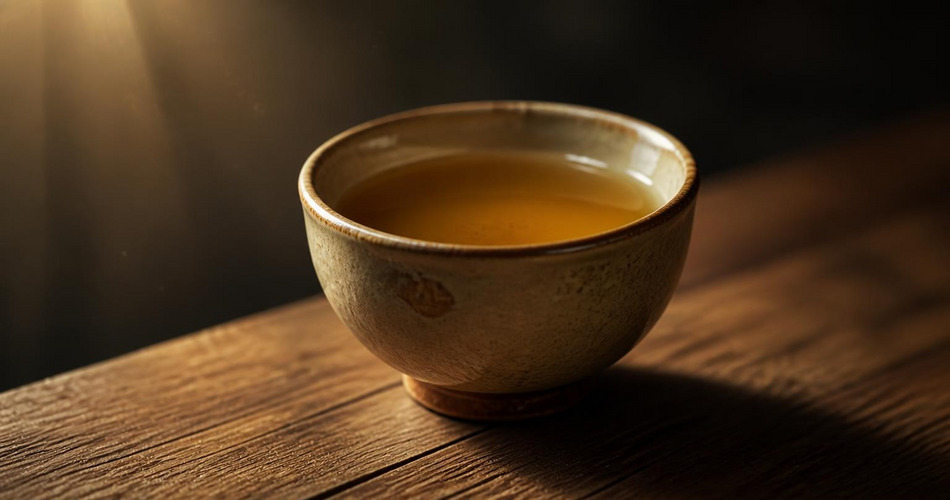
In Chinese culture, the cup (often a small teacup) symbolizes refinement, hospitality, and the art of tea drinking, which is a meditative practice. The act of offering tea in a cup represents respect and social harmony. In Japanese culture, the sake cup (ochoko) is central to ceremonial toasting, symbolizing bonding and the transient nature of life. In Native American traditions, the cup or bowl is a sacred vessel used in ceremonies to hold water or herbal mixtures, representing purification and connection to the earth. In African cultures, calabash cups are used in rituals to honor ancestors and as symbols of fertility and community. In Hinduism, the cup (pātra) is used in offerings (puja) and symbolizes the devotee’s receptivity to divine blessings. The cup’s shape and material often carry specific meanings: earthenware cups symbolize humility, while metal cups denote status and permanence.
Spiritual Meaning of the Cup
Spiritually, the cup represents the soul or the inner self that receives divine grace. In many mystical traditions, the cup is a symbol of the heart, open to love and spiritual truth. In Christianity, the chalice holds the wine of the Eucharist, symbolizing the blood of Christ and the covenant between God and humanity. The Holy Grail legend elevates the cup to a symbol of ultimate spiritual attainment—a vessel that grants eternal life or enlightenment. In esoteric traditions, the cup is associated with the element of water and the emotional body, representing intuition, dreams, and the subconscious. Meditating on a cup can symbolize opening oneself to higher guidance or preparing to receive insight.
The Cup in Myths and Folklore
The cup appears in numerous myths and folk tales. The most famous is the Holy Grail of Arthurian legend, a cup sought by knights as a symbol of divine favor and the quest for purity. In Norse mythology, the mead of poetry was kept in a cup, and drinking it bestowed wisdom and poetic inspiration. In Greek myth, the cup of Hebe (goddess of youth) granted eternal youth to the gods. The Celtic myth of the Cauldron of Plenty is a large cup-like vessel that never empties, symbolizing abundance and regeneration. In Slavic folklore, a magical cup could reveal the truth or heal the sick. These stories often emphasize the cup as a source of life, knowledge, or transformation, and the act of drinking from it as a rite of passage or a test of character.
The Cup in Dreams
Dreaming of a cup often relates to emotional receptivity, relationships, and personal fulfillment. A full cup may indicate satisfaction, love, or spiritual abundance, while an empty cup can suggest a sense of lack or longing. The material of the cup (glass, ceramic, metal) may reflect the dreamer’s emotional state—fragile glass suggests vulnerability, while sturdy metal implies resilience. A broken cup in a dream can symbolize a broken relationship, lost opportunity, or the end of a phase. Sharing a cup with someone may represent intimacy or a shared journey. As with all dream symbols, context is crucial, and the cup’s condition and contents provide further clues.
Common Dream Scenarios with Cups
- Drinking from a cup: Indicates acceptance, nourishment, or the desire to connect with others. It may also symbolize taking in new ideas or emotions.
- An overflowing cup: Represents abundance, joy, or overwhelming emotions. It can be a positive sign of generosity or a warning of excess.
- A broken cup: Often signifies disappointment, loss, or a fractured relationship. It may also represent a shattered illusion or unfulfilled expectations.
- Receiving a cup as a gift: Suggests an offer of friendship, love, or support. It may also indicate a new opportunity or spiritual blessing.
- An empty cup: Reflects feelings of emptiness, loneliness, or unmet needs. It can also symbolize readiness to receive something new.
The Cup in Superstitions and Omens
In many folk traditions, cups and drinking vessels are associated with luck and omens. Spilling a drink from a cup is often considered an omen of good luck (if wine) or bad luck (if water), depending on the culture. Dropping and breaking a cup may be seen as a warning of upcoming misfortune or, conversely, as a sign that evil spirits have been driven away. In some European superstitions, a cup that tips over during a meal indicates that a visitor is coming. In wedding traditions, the couple often drinks from a shared cup to symbolize unity and eternal bond. In fortune-telling, the patterns left by tea leaves in a cup are interpreted as messages about the future.
The Cup in Art and Literature
The cup has been a recurring motif in art and literature for centuries. In the Holy Grail legends, the cup is the central object of quest, appearing in works such as Chrétien de Troyes’ Perceval, the Story of the Grail (c. 1180) and Sir Thomas Malory’s Le Morte d’Arthur (1485). In Renaissance painting, the cup often appears in scenes of the Last Supper, such as Leonardo da Vinci’s mural (1495–1498), where the chalice holds symbolic weight. In literature, the cup is used as a metaphor for fate or emotion: in Shakespeare’s Macbeth, the “poisoned chalice” represents treachery. In modern poetry, the cup can symbolize the self or the vessel of experience, as in Rumi’s verses where the cup is the heart that holds divine love. In film, the cup appears in symbolic contexts, such as the grail in Indiana Jones and the Last Crusade (1989), where it represents eternal life and moral choice.
Cup Tattoo Meaning
A cup tattoo often symbolizes hospitality, abundance, or a love of life. It can represent a connection to a particular culture, such as a teacup or sake cup, or a more universal meaning of receptivity and emotional openness. A chalice tattoo may denote spiritual faith or a quest for higher truth. Some people choose a cup tattoo to commemorate a significant shared experience, like a wedding or a friendship. The design—whether a simple cup, a grail, or a cup with liquid—can modify the meaning: an overflowing cup suggests joy and generosity, while a cracked cup may symbolize resilience after hardship.
Meanings of Different Types of Cups
- Chalice: A ceremonial cup, often used in religious rites, symbolizing divinity, sacrifice, and spiritual communion.
- Teacup: Represents refinement, tranquility, and the ritual of tea drinking, often associated with hospitality and mindfulness.
- Wine glass: Symbolizes celebration, romance, and the pleasures of life, but also potential excess or intoxication.
- Goblet: A large, ornate cup, often linked to royalty, feasting, and victory. In heraldry, it may denote wealth or generosity.
- Ceremonial cup (kylix, pātra): Used in ancient rituals, representing offerings to gods, libations, and the connection between the human and divine.
Frequently Asked Questions About Cup Symbolism
Q: What does a cup symbolize in the Bible?
A: In the Bible, the cup often represents God’s blessing or judgment. The “cup of salvation” (Psalm 116:13) symbolizes thanksgiving, while the “cup of wrath” (Revelation 14:10) signifies divine punishment. The chalice of the Eucharist is central to Christian liturgy.
Q: What does a cup symbolize in tarot?
A: In tarot, the suit of Cups corresponds to the element of water and represents emotions, relationships, intuition, and creativity. The Ace of Cups is a card of new love and spiritual fulfillment.
Q: Is a cup a symbol of femininity?
A: Yes, the cup is often seen as a feminine symbol due to its receptive, containing shape, analogous to the womb. It is associated with nurturing, emotion, and the subconscious.
Q: What does an empty cup mean spiritually?
A: An empty cup can signify readiness to receive new experiences, wisdom, or divine grace. It may also represent a period of waiting or spiritual emptiness that precedes fulfillment.
Related Symbols
- Chalice: A sacred cup, especially in Christian ritual, symbolizing the blood of Christ and the Eucharist.
- Grail: The legendary Holy Grail, a cup of miraculous power and the object of a spiritual quest.
- Bowl: A wider, open vessel, often symbolizing abundance, nourishment, and the feminine principle.
- Cauldron: A large pot or cup-like vessel in Celtic myth, representing transformation, rebirth, and inexhaustible supply.
- Vase: A decorative container, symbolizing beauty, life, and the containment of the soul or spirit.


