Briefly
A doll is a powerful symbol that embodies a complex duality. On one hand, it represents childhood, innocence, comfort, and the nurturing instinct, serving as a tool for play and emotional development. On the other, the doll is an effigy, a double for the human self that can symbolize control, manipulation, and the uncanny. Its meaning shifts dramatically depending on context, from a cherished companion to a vessel for spiritual or supernatural forces.
What Does a Doll Symbolize?
At its core, a doll is a representation of a human being, often a child or a woman. This act of representation gives it a unique symbolic power. It is a double, a mirror reflecting human form and identity. In the hands of a child, a doll symbolizes the self, a friend, or a child to be cared for, facilitating the development of empathy, social roles, and imagination.
Conversely, the doll’s nature as an object that mimics life places it squarely in the realm of the uncanny valley, a term coined by roboticist Masahiro Mori. When an object looks almost human but not quite, it can evoke feelings of eeriness and revulsion. This makes the doll a potent symbol for artificiality, the soulless imitation of life, and hidden menace. As an effigy, a doll can represent a specific person, allowing it to be used as a tool for magical influence or for ritual destruction and protest.
Positive and Negative Meanings of Dolls
Positive associations: Dolls are deeply linked to nurturing, comfort, and the safe exploration of identity. They can be treasured heirlooms, symbols of cultural heritage, and tools for therapeutic play. For many, a childhood doll is a symbol of security and unconditional love, representing a connection to the past and a simpler time.
Negative meanings: The doll’s capacity to represent a person makes it a symbol of control and manipulation. The popular concept of the voodoo doll epitomizes this, representing the desire to inflict harm or exert influence. In horror, dolls symbolize the terrifying idea that the inanimate can become animate, representing a loss of control, hidden threats, and the corruption of innocence. A broken or discarded doll can symbolize lost innocence, childhood trauma, or a fragmented identity.
History and Origins of Doll Symbolism
The history of dolls is ancient, with examples found in Egyptian, Greek, and Roman tombs. These early dolls were often more than toys; they were ritual objects and grave goods, intended to serve or accompany the deceased in the afterlife. This dual purpose—plaything and spiritual vessel—has defined the doll’s symbolic life for millennia.
In the 19th century, the mass production of porcelain dolls made them widely accessible. These fragile, idealized figures became symbols of Victorian childhood and femininity. The 20th century saw the rise of the fashion doll with the introduction of Barbie in 1959, a symbol of aspiration, consumer culture, and evolving standards of female beauty and independence. The reborn doll, a hyper-realistic silicone doll created in the 21st century, represents a complex intersection of art, nurturing instinct, and the processing of grief or infertility.
Doll Symbolism in Different Cultures
The symbolic meaning of dolls varies greatly across the globe. In Japan, the Hina Matsuri (Doll Festival) involves displaying ornate dolls to pray for the health and happiness of young girls. These dolls are not toys but ceremonial objects believed to absorb bad spirits. The Hopi people of North America create Kachina dolls, which are representations of spiritual beings used to teach children about their culture and cosmology.
In Central America, worry dolls (Muñecas Quitapenas) are small, handmade dolls from Guatemala. According to folklore, a child can tell their worries to the doll before sleeping, and the doll will take the worries away. The Russian Matryoshka doll, a set of nesting figures, is a powerful symbol of motherhood, fertility, and the layers of the human soul or personality. The popular image of the voodoo doll, while a simplification of actual Vodou practices in Haiti, has become a universal symbol in Western culture for sympathetic magic, revenge, and control.
Spiritual Meaning of Dolls
Spiritually, dolls often function as vessels or effigies. They can be charged with spiritual energy, used to represent a deity, an ancestor, or a specific person. In many traditions, dolls are created as protective talismans or as receptacles for spirits. The idea that a doll can house a soul or consciousness is a recurring theme, from the Golem of Jewish folklore to the sentient toys of modern fiction. This makes the doll a powerful symbol of the boundary between the physical and the spiritual, the animate and the inanimate.
Dolls in Myths and Folklore
Myths and folklore are filled with stories of dolls and statues coming to life. The ancient Greek myth of Pygmalion tells of a sculptor who falls in love with his ivory statue, Galatea, which is then brought to life by the goddess Aphrodite. This story explores themes of creation, idealized beauty, and the desire to animate the inanimate.
In modern folklore, the urban legend of Annabelle, a Raggedy Ann doll said to be possessed, has been popularized by horror films. This legend taps into the deep-seated fear of the uncanny doll. Similarly, the story of Robert the Doll, a real haunted doll in Key West, Florida, has become a famous piece of modern folklore. These stories reinforce the doll as a symbol of supernatural danger and the violation of the boundary between the living and the dead.
Dolls in Dreams
In dreams, a doll can represent the inner child, feelings of being controlled or manipulated, or a sense of artificiality in one’s own identity. A doll in a dream often points to how the dreamer views themselves or others—as passive, perfect, or inauthentic.
Common Dream Scenarios Involving Dolls
- A doll coming to life: This often symbolizes a fear of the unknown, repressed emotions surfacing, or a situation that is not what it seems.
- A broken or discarded doll: Can represent feelings of being broken, abandoned, or a loss of innocence and childhood.
- A giant doll: May symbolize feeling overwhelmed by childhood memories, a powerful mother figure, or a situation that makes you feel small and powerless.
- Receiving a doll as a gift: Could symbolize a desire for nurturing, a return to innocence, or a warning about a seemingly innocent situation that has hidden dangers.
- A doll that looks exactly like you: This is a powerful symbol of the double, representing the persona, the shadow self, or a feeling of being disconnected from your true identity.
Dolls in Superstitions and Omens
Dolls are central to many superstitions. In some cultures, it is considered bad luck to give a doll as a gift, as it is believed to bring sorrow or to carry the spirit of the giver. The belief that dolls can become possessed or move on their own is a common superstition, often linked to the idea that they can absorb negative energy or become a home for spirits.
In the practice of sympathetic magic, a doll representing a specific person is a powerful tool. While often associated with negative intentions (cursing), this practice can also be used for healing and protection. The superstition surrounding dolls often stems from their uncanny resemblance to humans, making them liminal objects that exist between the world of the living and the inanimate.
Dolls in Art and Literature
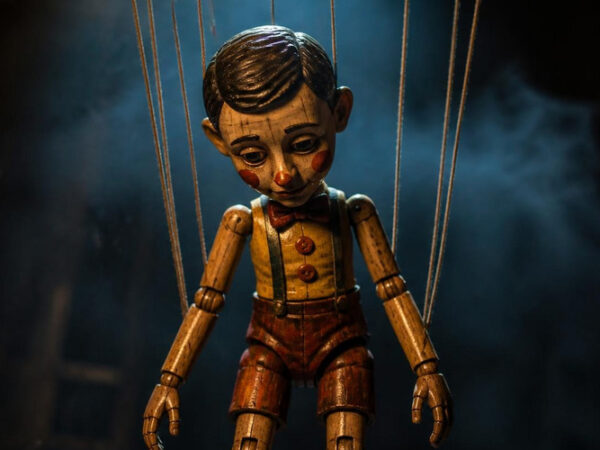
The doll has been a potent muse for artists and writers. In literature, Carlo Collodi’s The Adventures of Pinocchio (1883) tells the story of a wooden puppet who dreams of becoming a real boy, symbolizing the journey from artificiality to authenticity and the acquisition of a soul. Margery Williams’ The Velveteen Rabbit (1922) explores how a toy becomes real through the love of a child, a profound meditation on the nature of reality and love.
In visual art, the German surrealist Hans Bellmer created disturbing, life-sized dolls in the 1930s, which he photographed in provocative poses. His dolls were a reaction to the Nazi ideal of the perfect body and a deep exploration of eroticism, the uncanny, and the fragmentation of the female form. In film, the Child’s Play franchise (1988–present) features Chucky, a possessed doll that embodies the corruption of innocence and the terror of the familiar becoming monstrous. The 2023 film Barbie by Greta Gerwig uses the fashion doll to explore existentialism, patriarchy, and the complexities of modern femininity, directly confronting the symbolic weight of the doll.
Doll Tattoo Meaning
A doll tattoo can carry a wide range of personal meanings. A rag doll tattoo often symbolizes a connection to childhood, nostalgia, and a simpler time. A porcelain doll tattoo can represent a fascination with the macabre, vintage aesthetics, or the idea of a perfect, fragile exterior. A broken doll tattoo is a powerful symbol of surviving trauma, lost innocence, or a rejection of perfection.
A voodoo doll tattoo is often chosen to represent resilience, a curse that was overcome, or a connection to magic and control. The meaning is deeply personal, but universally, the doll tattoo is a statement about identity, the self, and the masks we wear.
Meanings of Different Types of Dolls
- Porcelain Doll: Fragility, perfection, nostalgia, the idealized feminine, the uncanny.
- Rag Doll: Comfort, childhood innocence, simplicity, softness, homemade warmth.
- Fashion Doll (e.g., Barbie): Aspiration, consumerism, identity, evolving beauty standards, empowerment.
- Action Figure (e.g., G.I. Joe): Heroism, power, masculinity, militarism, adventure.
- Voodoo Doll: Control, revenge, magic, pain, influence over others.
- Matryoshka Doll: Family, motherhood, layers of personality, hidden depths, unity.
- Reborn Doll: Grief, nurturing, hyper-reality, the desire for motherhood, art.
- Kachina Doll: Spirituality, nature, cultural heritage, teaching, the sacred.
Frequently Asked Questions About Doll Symbolism
Q: What does a doll symbolize in general?
A: A doll generally symbolizes childhood, innocence, play, and nurturing, but also the uncanny, artificiality, control, and the concept of the double or effigy.
Q: Why are dolls often considered creepy?
A: This is largely due to the uncanny valley effect, where an object that closely resembles a human but is not quite perfect triggers a sense of unease and revulsion.
Q: What does a broken doll symbolize?
A: A broken doll often symbolizes lost innocence, childhood trauma, a broken spirit, or the end of a phase of life. It can represent feelings of being discarded or damaged.
Q: What is the symbolism of a voodoo doll?
A: In popular culture, a voodoo doll symbolizes the desire to control, harm, or influence another person from a distance. It is a potent symbol of sympathetic magic and revenge.
Q: Are dolls considered good luck or bad luck?
A: It depends on the culture and context. Some dolls, like worry dolls or Hina Matsuri dolls, are considered protective and bring good luck. In other contexts, giving a doll as a gift is considered bad luck, and dolls are often associated with hauntings and bad omens in horror folklore.
Related Symbols
- Puppet: Shares the theme of control and being manipulated by an outside force.
- Mannequin: An idealized, lifeless representation of the human form, often symbolizing consumerism and artificial beauty.
- Effigy: A direct representation of a person, often used for protest or ritual destruction.
- Mask: Represents the persona or a false identity, similar to the doll’s role as a double.
- Golem: An inanimate being brought to life, exploring themes of creation and the soulless.
- Automaton: A mechanical figure that mimics life, emphasizing the themes of artificiality and the uncanny.