Briefly
A puppet is a movable object controlled by a person, known as a puppeteer, often used in storytelling, entertainment, and ritual performances. The symbolism of a puppet centers on themes of control, manipulation, and the relationship between the powerless and the powerful. Puppets can represent beings that are animated by an external force, reflecting ideas about fate, free will, and the influence of unseen forces on human actions. Across various cultures, puppets have served as tools for education, social commentary, and spiritual expression, embodying both the creative power of the puppeteer and the vulnerability of the controlled figure.
What Does a Puppet Symbolize?
Puppets primarily symbolize being under the control of another entity. The puppet itself is a figure that lacks autonomy; its movements, words, and even existence are dictated by the puppeteer. This can represent individuals who feel manipulated by others, such as by authority figures, society, or fate. In this sense, a puppet is a metaphor for powerlessness and the loss of personal agency.
Puppets also symbolize the art of storytelling and illusion. The puppet is a crafted object that, in the hands of a skilled puppeteer, appears to have life and personality. This transformation from an inanimate object to a seemingly living character highlights themes of creativity, imagination, and the suspension of disbelief. Puppets can serve as a medium for exploring complex emotions and social issues in a way that is approachable and symbolic.
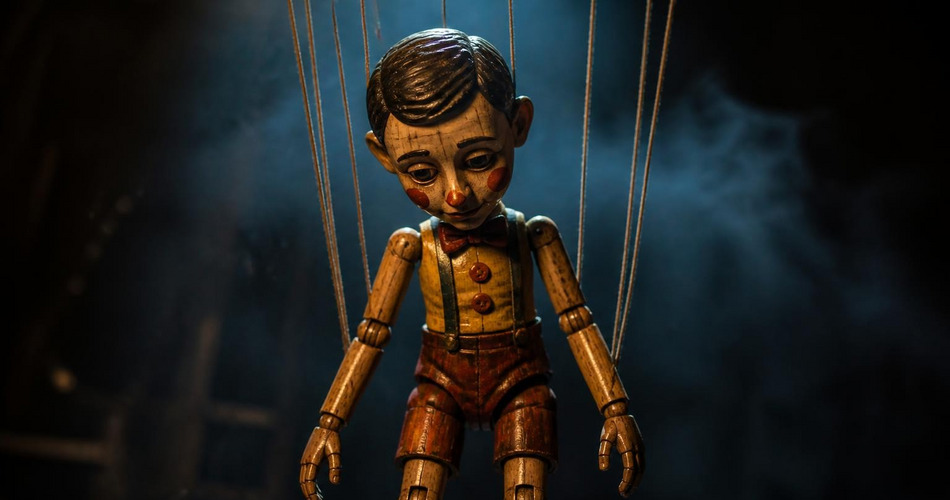
Additionally, puppets can represent the duality of performance and reality. The visible strings or rods that control the puppet often remain exposed, reminding the audience of the mechanism behind the illusion. This can symbolize the hidden forces—whether social, psychological, or supernatural—that influence human behavior and outcomes.
Positive and Negative Meanings
Positive associations: Puppets are associated with creativity, art, and the magic of storytelling. They allow puppeteers to bring characters and narratives to life, often conveying moral lessons, social critiques, or cultural traditions in an engaging manner. Puppetry can encourage empathy, as audiences connect with the puppet character despite its artificial nature. In many traditions, puppets are used in healing rituals or spiritual ceremonies, suggesting a positive role in connecting humans with the divine or the unconscious.
Negative meanings: The most common negative symbolism of a puppet is the idea of being controlled, manipulated, or used as a tool for someone else’s purposes. A “puppet” can refer to a person who is a figurehead, lacking real power and acting solely on the orders of another. This can extend to political figures, corporate leaders, or anyone in a position of apparent authority who is actually directed by hidden interests. Puppets can also represent deception, as the puppet’s apparent life is an illusion, masking the true operator.
History and Origins of the Symbolism
The origins of puppetry are ancient and span across many cultures. Evidence of puppets has been found in archaeological sites in Egypt, Greece, India, and China, dating back thousands of years. Early puppets were likely used in religious ceremonies, as seen in the Greek “automata” used in temples or the shadow puppets of Java used in wayang performances to narrate epic stories from Hindu mythology.
The word “puppet” itself comes from the Latin “pupa,” meaning “doll” or “girl,” and the related “puppis” in Latin refers to a little girl. In medieval Europe, puppets became popular forms of entertainment, often used in morality plays and traveling shows. The symbolism of the puppet as a controlled being became a powerful metaphor in philosophy and literature, especially in the works of authors like Heinrich von Kleist, who wrote about the grace of a marionette compared to the self-consciousness of a human, and later in existentialist thought, which used the puppet to question free will.
Symbolism in Different Cultures
In Indonesian culture, particularly in Java and Bali, wayang kulit (shadow puppets) are deeply symbolic. The puppets are made from flat leather pieces, manipulated behind a screen with a lamp to cast shadows. They are used in performances that draw from Hindu epics like the Ramayana and Mahabharata, symbolizing the struggle between good and evil, with the puppeteer (dalang) acting as a spiritual guide.
In Japanese culture, Bunraku puppetry involves large, intricately crafted puppets operated by three puppeteers in full view of the audience. These puppets symbolize a high form of artistic expression and the blurred line between human and puppet. The puppets are given intense emotional expressions, and their movements are so lifelike that they often inspire awe, symbolizing the power of human creativity.
In Western traditions, puppets have been used in folk plays, Punch and Judy shows, and marionette theaters. The character of Punch, for example, is a violent and mischievous puppet, symbolizing rebellion against authority and social norms. In modern times, puppets like those on “Sesame Street” or in “The Muppets” symbolize education, humor, and the cultivation of social values, though they also carry the underlying theme of control by unseen operators.
Spiritual Meaning
In spiritual contexts, puppets can symbolize the relationship between the human soul and a higher power or fate. The idea of being a “puppet of the gods” is common in many belief systems, where humans are seen as lacking ultimate control over their destiny. Some spiritual traditions use puppets in rituals to communicate with ancestors or spirits, believing that the puppet can become a vessel for the supernatural. Additionally, the manipulation of puppets can represent the influence of unseen forces on the physical world, serving as a reminder of the spiritual dimensions beyond human perception.
In Myths and Folklore
Puppets appear in various myths and folk traditions. In Greek mythology, the story of Pygmalion features a sculptor who falls in love with his statue, which is then brought to life by Aphrodite—a narrative that echoes the puppet’s transformation from inanimate object to living being. In Hindu tradition, the concept of the cosmic puppeteer appears in texts where the gods control human destinies as if they were marionettes.
Folklore from many cultures includes tales of puppets coming to life, such as the Golem in Jewish folklore, a clay figure animated by a rabbi, or the Pinocchio story, a puppet who wishes to become a real boy. These stories often explore themes of creation, responsibility, and the consequences of granting life or autonomy to a crafted figure.
In Dreams
Dreaming of a puppet can symbolize feelings of being controlled or manipulated in one’s waking life. It may reflect a lack of agency, where the dreamer feels like a passive object acted upon by others or by circumstances. Alternatively, a puppet in a dream can indicate that the dreamer is playing a role or pretending, perhaps hiding their true self beneath a constructed persona.
Common Dream Scenarios
- Being a puppet: You feel that others are controlling your decisions or that you have little influence over your own life.
- Being a puppeteer: You are attempting to control someone or a situation, or you have a desire for power and influence.
- Broken puppet: The loss of control; a situation has spiraled beyond your ability to manage it.
- Puppet with no strings: A sense of freedom or a lack of direction; you may be untethered and without support.
- Puppet coming to life: Something that once seemed artificial or controllable now has its own will, often surprising or alarming.
In Superstitions and Omens
Puppets have been linked to superstitions in several traditions. In some cultures, it is considered unlucky to leave a puppet lying around with its strings loose, as it might attract mischievous spirits. Conversely, in Southeast Asia, shadow puppets used in religious ceremonies are treated with respect and sometimes kept in shrines, as they are believed to carry spiritual energy. Puppets that are broken or damaged are sometimes buried or destroyed in specific rituals to release the spirit within them. These beliefs highlight the ambiguous nature of the puppet: it is both a tool and a potential vessel for the supernatural.
In Art and Literature
Puppets appear in numerous works of art and literature. In literature, Carlo Collodi’s “The Adventures of Pinocchio” (1883) is perhaps the most famous example, in which a wooden puppet strives to become a real boy, exploring themes of obedience, morality, and identity. Heinrich von Kleist’s essay “On the Marionette Theatre” (1810) uses the puppet as a metaphor for grace and unconscious perfection. In film, the 1982 movie “The Dark Crystal” presents a world of puppet creatures where the removal of a central crystal represents the fight between good and evil, with the Skeksis as manipulative overlords. In art, the surrealist painter René Magritte created works like “The Menaced Assassin” (1927) that feature mannequin-like figures, evoking the eerie feeling of a controlled, puppet-like existence. These examples show how the puppet serves as a powerful symbol of human conditions such as control, transformation, and the search for authenticity.
Frequently Asked Questions
Q: Is dreaming about a puppet always negative?
A: Not necessarily. While it often indicates feelings of being controlled, it can also reflect your own ability to influence situations creatively or playfully.
Q: What does it mean to dream of many puppets?
A: Dreaming of many puppets may suggest that you feel overwhelmed by multiple forces or people trying to direct your actions, or it could represent a crowd performing in unison.
Q: Are puppets considered good luck?
A: This varies by culture. In some traditions, puppets used in spiritual ceremonies are seen as protective, while in others, broken or neglected puppets are considered unlucky.
Related Symbols
- Mask – Both conceal identity and enable transformation, though a mask hides the face while a puppet is controlled externally.
- Doll – Similar object of play or ritual, but dolls are often not manipulated directly like puppets; they share themes of imitation and control.
- Golem – A mythical animated being created from clay, symbolizing artificial life created by human hands, akin to a puppet.
- Marionette – A specific type of puppet controlled by strings, emphasizing the clear separation between operator and object.
- Shadow play – A form of puppetry using silhouettes, often carrying symbolic meanings of illusion and enlightenment.