Briefly
Drowning is a powerful and universal symbol that primarily represents overwhelming circumstances, loss of control, and the threat of death. It often appears in dreams, literature, and mythology as a metaphor for being consumed by emotions, fear, or life’s challenges. While its most immediate association is with death and destruction, drowning can also symbolize purification, transformation, and spiritual rebirth in certain contexts. The duality of water as both life-giving and destructive makes drowning a complex symbol with both negative and positive interpretations.
What Does Drowning Symbolize?
Drowning symbolizes the experience of being overwhelmed—by emotions, situations, or external forces beyond one’s control. It is often used to represent a state of suffocation, helplessness, and impending doom. In psychological terms, drowning can reflect feelings of anxiety, depression, or being submerged in the unconscious. On a positive note, drowning can also signify a necessary surrender, letting go of the ego, and emerging transformed, much like a baptismal rebirth. The act of drowning can thus serve as a powerful metaphor for both destruction and renewal.
Positive and Negative Meanings of Drowning
Positive associations: In spiritual and mythological contexts, drowning can symbolize purification through water, the washing away of sins, and a transition to a new state of being. It may represent a profound transformation where the old self dies to make way for renewal. In some traditions, drowning is seen as a sacrifice that brings about fertility or appeases water deities, linking it to themes of abundance and continuity.
Negative meanings: The most common symbolism of drowning is death, fear, and loss. It embodies the terror of suffocation, helplessness, and the finality of life. Drowning is often used to represent being overwhelmed by negative emotions such as grief, despair, or anxiety. In dreams, it frequently signals a sense of being unable to cope with life’s pressures, and in folklore, it is associated with vengeful spirits and bad omens.
History and Origins of Drowning Symbolism
The symbolism of drowning has ancient roots, appearing in early flood myths such as the Epic of Gilgamesh and the biblical story of Noah’s Ark. In these narratives, drowning is a divine punishment that cleanses the earth of corruption. Ancient cultures often viewed drowning as a form of sacrifice to water gods, believing that such deaths ensured good harvests or calm seas. In ancient Egypt, the Nile was considered a sacred river, and drowning in it could be seen as a divine offering; the god Osiris, associated with water and rebirth, linked drowning to resurrection themes. In Greek mythology, figures like Icarus drown after flying too close to the sun, symbolizing the consequences of hubris. The association of drowning with both punishment and purification has persisted through centuries.
Drowning Symbolism in Different Cultures
In many cultures, drowning is tied to water spirits and folklore. In Japanese folklore, the kappa is a water demon that drowns people, symbolizing the dangers of bodies of water. In Chinese folklore, the shui gui (water ghost) is believed to drown others to free itself from its watery prison, reflecting the idea that drowning victims become restless spirits. In European traditions, drowning was sometimes seen as a fate for witches or sinners, while in Celtic mythology, water was a gateway to the Otherworld, and drowning could be a means of entering the realm of the gods. In Christianity, baptism involves a symbolic drowning of the old self, representing spiritual rebirth. In Hindu tradition, immersion in sacred rivers like the Ganges is believed to purify the soul, and drowning can be seen as a release from the cycle of rebirth. African traditions often feature water spirits like Mami Wata, who are both feared and revered, and drowning can be a form of sacrifice or punishment.
Spiritual Meaning of Drowning
Spiritually, drowning often represents the dissolution of the ego and surrender to a higher power. It can be a metaphor for being immersed in the divine or the unconscious, letting go of control, and trusting the process of transformation. In meditation and mystical experiences, the sensation of drowning may symbolize a deep cleansing of the psyche. Some spiritual traditions view drowning as a form of ego death necessary for enlightenment, where the individual must “drown” their old identity to be reborn into a higher state of consciousness. This interpretation aligns with the concept of baptismal rebirth found in many religions.
Drowning in Myths and Folklore
Drowning appears in numerous myths and folk tales. In Greek mythology, the hero Narcissus drowns after becoming entranced by his own reflection, symbolizing self-obsession and vanity. The story of Ophelia in Shakespeare’s Hamlet, though literary, draws on folklore of water spirits and tragic maidens. In Norse mythology, the god Balder is killed by a mistletoe arrow and his body is burned on a ship, but there are also tales of drowning as a punishment for transgressions. In Slavic folklore, the rusalka is a female water spirit who lures men to drown, representing the dangers of water and unrequited love. These stories often use drowning as a cautionary element, warning against hubris, temptation, or the unknown.
Drowning in Dreams
Dreams of drowning are among the most common and intense nightmares. They often symbolize feelings of being overwhelmed, trapped, or unable to breathe in a waking-life situation. Psychologically, drowning dreams may reflect deep-seated anxieties, unresolved emotions, or a sense of losing control. They can also indicate a need for emotional release or a desire to be “reborn” by facing one’s fears. The context of the dream—such as the type of water, presence of others, and outcome—can provide further insight into the dreamer’s subconscious state. Some interpreters view drowning dreams as a manifestation of birth trauma or a return to the womb, symbolizing a wish for protection or a fresh start.
Common Drowning Dream Scenarios
- Drowning in deep or murky water: represents being overwhelmed by unconscious fears or hidden emotions.
- Drowning in a storm or rough sea: symbolizes chaotic life circumstances or intense emotional turmoil.
- Being pulled underwater by something: suggests feeling dragged down by a person, situation, or addiction.
- Watching someone else drown: may reflect feelings of helplessness about another person’s struggles.
- Nearly drowning but being rescued: indicates a turning point or hope for relief from overwhelming stress.
- Drowning in a pool or bathtub: can represent being trapped in a confined or suffocating environment.
- Drowning in a car: suggests being trapped in a situation that feels inescapable, often related to work or relationships.
- Drowning in a crowd: implies feeling suffocated by social pressures or expectations.
Drowning in Superstitions and Omens
In many cultures, drowning is considered an omen of bad luck or a sign of divine displeasure. Some superstitions hold that dreaming of drowning predicts actual drowning or other misfortunes. Sailors often viewed drowning as a death to be avoided at all costs, leading to taboos against certain actions at sea, such as whistling or bringing certain objects onboard. In some folk beliefs, a person who drowns is said to be taken by water spirits, and their spirit may remain bound to the water until they are properly mourned or until they can lure another victim. These superstitions reinforce the idea of drowning as a fate intertwined with supernatural forces.
Drowning in Art and Literature
Drowning is a recurring motif in art and literature, often used to evoke tragedy, loss, or transformation. One of the most famous depictions is John Everett Millais’s painting Ophelia (1851–1852), which shows Shakespeare’s Ophelia floating in a river after drowning, symbolizing innocence lost and the fragility of life. In literature, Kate Chopin’s novel The Awakening (1899) ends with the protagonist Edna Pontellier drowning herself in the sea, representing her final act of rebellion and escape from societal constraints. In Sylvia Plath’s poem Lady Lazarus, the speaker describes drowning and resurrection, using water as a symbol of both death and rebirth. The film The Perfect Storm (2000) portrays the drowning of fishermen as a force of nature beyond human control, emphasizing the theme of human struggle against overwhelming odds. These works demonstrate how drowning can serve as a powerful narrative device to explore themes of despair, freedom, and the human condition.
Drowning Tattoo Meaning
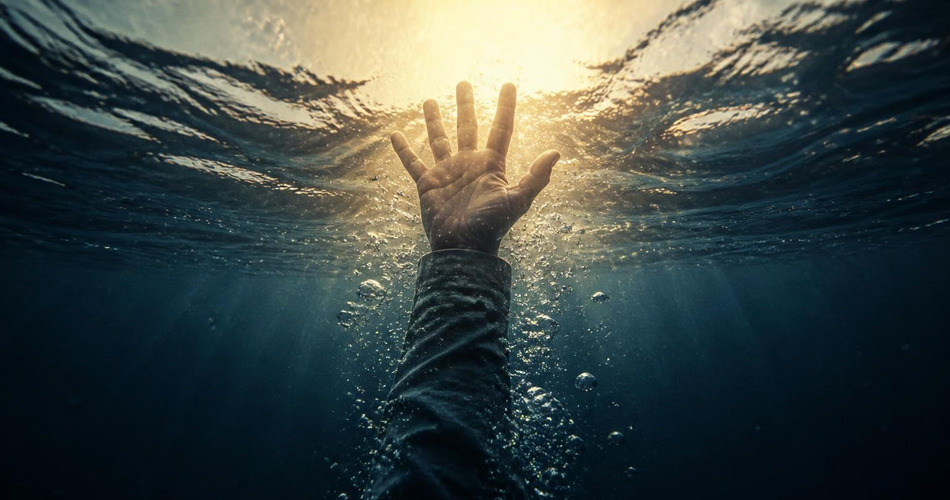
Drowning-themed tattoos are less common but can carry deep personal significance. They may represent overcoming a major life struggle, a period of intense emotional pain, or a transformative experience. Some people choose imagery of a drowning person or hand reaching up from water to symbolize survival, resilience, or a near-death experience. Others use drowning motifs to honor someone lost to drowning or to express a connection to the sea. The tattoo can also serve as a reminder of the fragility of life and the importance of staying afloat amidst challenges.
Meanings of Different Drowning Scenarios
The context of drowning can alter its symbolic meaning. Drowning in the ocean often symbolizes being overwhelmed by vast, uncontrollable forces, while drowning in a lake may represent stagnation and hidden depths. Drowning in a bathtub can suggest a more intimate, personal struggle, possibly related to domestic life or self-care. Drowning in a river might symbolize the passage of time or a journey gone wrong. Being rescued from drowning can symbolize hope, intervention, and second chances, while drowning alone may emphasize isolation and despair. These variations allow drowning to be a flexible symbol in both personal and cultural narratives.
Frequently Asked Questions About Drowning Symbolism
Q: What does it mean if I dream about drowning?
A: Dreaming of drowning typically indicates that you feel overwhelmed by emotions or circumstances in your waking life. It may be a sign that you need to address sources of stress or seek support.
Q: Is drowning always a negative symbol?
A: While drowning is primarily associated with death and fear, it can also symbolize purification, transformation, and spiritual rebirth in certain contexts, such as baptism or mythological sacrifice.
Q: Why does drowning appear in so many myths?
A: Water is a universal symbol of life, death, and the unconscious. Drowning represents the ultimate surrender to these forces, making it a powerful motif in stories about punishment, sacrifice, and transformation.
Q: Can drowning have positive meanings in dreams?
A: In some interpretations, drowning in a dream can symbolize a desire for emotional release or a need to let go of control. It may also precede a period of personal growth or renewal.
Related Symbols
- Water – The element in which drowning occurs, symbolizing life, emotions, and the unconscious.
- Flood – Often represents divine punishment or overwhelming change, closely related to drowning.
- Baptism – A ritual of spiritual purification involving water, sometimes symbolizing symbolic drowning of the old self.
- Shipwreck – A disaster at sea that can symbolize lost hopes or catastrophic failure.
- Ophelia – A literary figure whose drowning has become an iconic symbol of tragic beauty and madness.
- Rescue – The act of saving someone from drowning symbolizes hope, intervention, and second chances.