Briefly
The noose is a powerful and overwhelmingly negative symbol, almost universally associated with execution, death, and violent oppression. Its most potent modern meaning is as a symbol of racial terror, specifically linked to the history of lynching in the United States. Historically, it represented the finality of legal justice, while in a broader symbolic sense, it conveys feelings of being trapped, suffocated, or at an inescapable end. The noose carries a weight of fear, finality, and historical trauma that few other symbols possess.
What Does the Noose Symbolize?
The noose primarily symbolizes death by hanging, whether as a judicial execution or a suicide. This gives it a direct and powerful connection to mortality and the end of life. Beyond the literal act, it represents entrapment and a lack of escape, embodying the feeling of a situation closing in with no way out.
In a social and political context, the noose is a symbol of mob justice, racial hatred, and intimidation. Its display is an act of terrorism, meant to threaten and remind marginalized groups of a history of violence. Symbolically, it can also represent a trap or a snare, catching the unwary or the doomed.
Positive and Negative Meanings of the Noose
Positive associations: The noose has very few positive associations. In some historical contexts, particularly in the West, it was seen as a tool of ultimate justice and a deterrent against crime, representing the final authority of the law. In a purely technical sense, a properly tied noose (or hangman’s knot) is a feat of engineering designed to cause a quick, clean death, which was once considered a merciful execution compared to other methods.
Negative meanings: The negative meanings of the noose are profound and deeply ingrained. It is a primary symbol of murder, suicide, and capital punishment. Its strongest modern association is with racism and the extrajudicial killing of Black Americans through lynching. The noose represents terror, oppression, cowardice, and the darkest impulses of mob violence. It is a symbol of being trapped, hopelessness, and a violent, inescapable end.
History and Origins of the Noose Symbolism
The noose, specifically the hangman’s noose or hangman’s knot, has a history rooted in practical execution. The knot itself was developed to ensure a quick death by breaking the neck, a grim refinement of the gallows. For centuries, public hangings were a common form of legal punishment, and the noose became the universal symbol of this state-sanctioned death.
In the United States, the symbolism of the noose took on a specific and horrific meaning after the Civil War. It became the primary tool of lynch mobs, used to terrorize and murder African Americans. This era transformed the noose from a general symbol of execution into a specific emblem of racial hatred and domestic terrorism. The display of a noose today is a direct reference to this history and is widely recognized as a hate symbol.
Symbolism of the Noose in Different Cultures
While the noose is most prominently associated with Western execution and American racial violence, it appears in various forms across cultures. In many societies, the gallows and the noose were a central part of public justice, serving as a grim deterrent. The ‘hangman’ is a recurring archetypal figure in European folklore.
In some spiritual traditions, the noose or a looped rope can symbolize binding, oaths, or the cycle of life and death. In Hinduism, Yama, the god of death, carries a noose to capture the souls of the dying. In Norse mythology, Odin hangs himself on Yggdrasil in a self-sacrificial act to gain wisdom. However, the specific image of the hangman’s noose is largely a product of European and American history. In modern times, its meaning as a symbol of hate and intimidation has been globally recognized.
Spiritual Meaning of the Noose
Spiritually, the noose is a deeply negative symbol. It represents the soul being trapped or bound, unable to progress. It can signify a karmic entanglement or a state of being weighed down by guilt, sin, or unresolved trauma. The act of hanging is often seen as a violent disruption of the soul’s journey.
Conversely, in some esoteric traditions, the knot itself can be a symbol of binding and unbinding. Cutting a noose can represent liberation from a difficult fate or the breaking of a curse. The noose in the Tarot is not a standard image, but the Hanged Man card, which depicts a man suspended by one foot, is often associated with sacrifice, new perspectives, and suspension, though this is a distinct symbol from the executioner’s noose.
The Noose in Myths and Folklore
The noose and the gallows feature prominently in folklore. The ‘gallows’ is a common setting in ghost stories, and the spirits of executed criminals are often said to haunt the sites of their deaths. The ‘hangman’s rope’ was sometimes believed to have magical properties, such as curing illness or bringing luck, though this was a superstition born from its morbid power.
In Norse mythology, Odin hangs himself on Yggdrasil, the World Tree, for nine days to gain wisdom. While he uses a rope, this is an act of self-sacrifice for knowledge rather than a punishment, giving the image of a suspended figure a more complex, sacrificial meaning that contrasts sharply with the shameful death of a common criminal.
The Noose in Dreams
Dreaming of a noose is almost always a sign of deep psychological distress. It symbolizes feeling trapped, suffocated, or overwhelmed by a situation in your waking life. This could relate to a job, a relationship, or a financial problem from which you see no escape.
The dream may also represent a fear of judgment or punishment, either from others or from your own conscience. It is a powerful symbol of finality and can indicate a period of intense crisis or a feeling that a significant part of your life is coming to a violent or forced end.
Common Noose Dream Scenarios
- Seeing a noose: A general warning of danger, a feeling of being trapped, or an omen of difficult times ahead. It can represent a fear of failure or public shame.
- Finding a noose in your home: Suggests that the source of your stress or the threat to your well-being is in your personal life or close relationships. It can indicate domestic conflict or a feeling of being confined by family obligations.
- Someone else putting a noose around your neck: A powerful symbol of feeling victimized, controlled, or unfairly judged by another person or group. It represents a lack of agency.
- A noose around your own neck: This is a very serious symbol often associated with suicidal ideation, intense guilt, or a feeling of having no other options. It requires immediate attention to your mental health.
The Noose in Superstitions and Omens
The noose is a powerful omen of death and bad luck in many superstitions. To dream of a noose was traditionally seen as a premonition of one’s own death or the death of a loved one. Finding a piece of rope tied into a noose was considered a very bad omen.
In some historical superstitions, the rope used to hang a criminal was considered a powerful talisman. Touching it was thought to bring good luck, or it was used in folk remedies for various ailments. This belief stemmed from the idea that the rope had absorbed the life force of the executed person. In modern times, displaying a noose is an overt threat and a symbol of racial intimidation, making it a powerful and dangerous omen in a social context.
The Noose in Art and Literature
The noose is a recurring and potent symbol in art and literature, often used to critique violence, injustice, and capital punishment. In literature, the noose is the central symbol of racial terror in the song and poem ‘Strange Fruit’ by Abel Meeropol, famously performed by Billie Holiday, which describes the bodies of lynching victims hanging from trees. The threat of the noose hangs over the entire narrative of Harper Lee’s ‘To Kill a Mockingbird’, representing the ever-present danger of mob violence and racial injustice in the American South.
In visual art, Francisco Goya’s print ‘The Hanging’ from his ‘Disasters of War’ series depicts the brutal reality of execution. The noose is a common prop in political cartoons, used to symbolize the death of a policy, a career, or a movement. In film, the noose is a classic image of the Western frontier and a symbol of vigilante justice, as seen in countless westerns. The noose also appears in modern cinema as a symbol of psychological torment, such as in the horror film ‘The Gallows’.
Noose Tattoo Meaning
The noose is a highly controversial tattoo. For some, it represents having survived a near-death experience, overcoming a period of deep depression, or having ‘cheated death.’ It can also symbolize a tough past, prison time, or a life lived on the edge.
However, due to its strong association with lynching and racial violence, a noose tattoo is widely interpreted as a hate symbol. It is often used by white supremacist groups to intimidate and signify their ideology. Because of this dual and overwhelmingly negative public perception, the noose tattoo carries a heavy social stigma and can be seen as an endorsement of racial terror.
Frequently Asked Questions
Q: What does a noose symbolize in a dream?
A: In dreams, a noose typically symbolizes feeling trapped, overwhelmed, or suffocated by a situation in your waking life. It can also represent deep fear, guilt, or suicidal thoughts and should be taken as a serious sign of psychological distress.
Q: Is the noose always a symbol of racism?
A: While the noose has a long history as a symbol of execution, its use as a symbol of racial terror is its most powerful and relevant modern meaning. Displaying a noose is widely recognized as a hate symbol and a direct reference to the lynching of African Americans.
Q: What is the difference between a noose and a slipknot?
A: A slipknot is a general term for any knot that can tighten along a rope. A noose, specifically a hangman’s noose, is a type of slipknot with a specific number of coils (often 13) designed to tighten smoothly and quickly under the weight of a body, causing a clean execution.
Related Symbols
- Gallows: The structure from which a noose is hung, representing the full apparatus of execution and justice.
- Rope: The raw material of the noose, symbolizing binding, connection, and strength, but also constraint.
- Knot: Represents a binding agreement, a problem that is difficult to untie, or a connection.
- Scaffold: The platform of execution, symbolizing public shame and the finality of judgment.
- Skull: A universal symbol of death, often paired with the noose to represent mortality.
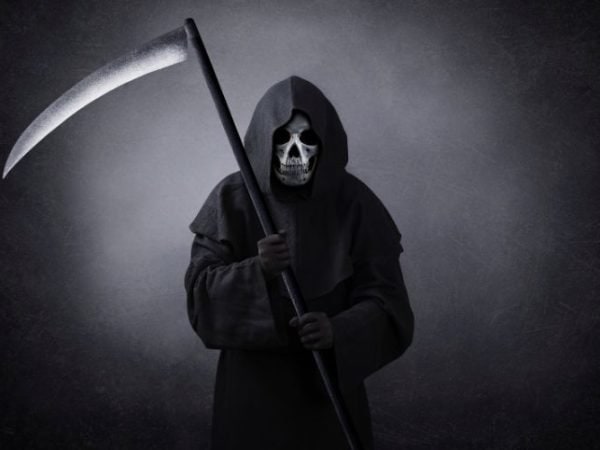
- Scythe: Another tool of death, representing the Grim Reaper and the harvest of souls.