Briefly
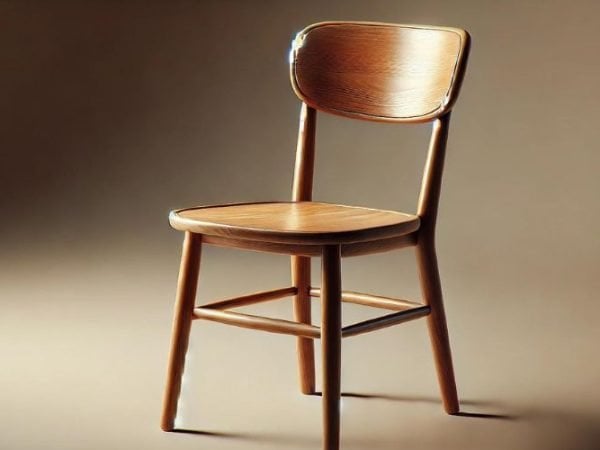
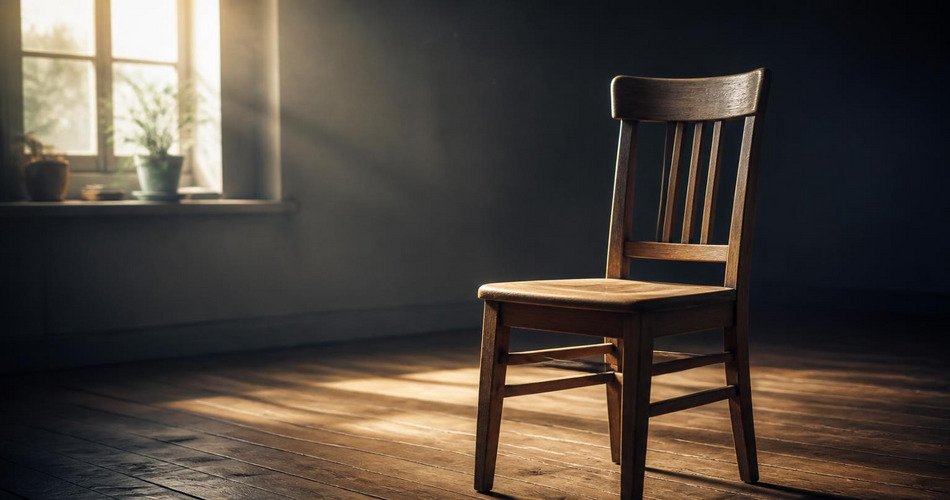
The empty chair is a powerful symbol of absence, loss, and the lingering presence of someone who is no longer there. It can represent grief, waiting, or the anticipation of a return. In various contexts, it also signifies an invitation, a vacant role, or the space left by change. The empty chair reminds us of what is missing while holding the potential for what may come.
What Does the Empty Chair Symbolize?
The empty chair primarily symbolizes absence—the physical void left when a person departs, whether through death, separation, or simply leaving a room. It also embodies memory, as the chair itself often retains the shape or association of the person who once occupied it. In a broader sense, the empty chair can represent an unfulfilled role, an opportunity waiting to be taken, or a silent witness to events. It is a versatile symbol that appears in personal, political, and artistic contexts to evoke reflection on what is missing.
In family settings, an empty chair at a dinner table may signify a deceased loved one, a tradition observed in some cultures to honor the dead. In political imagery, an empty chair can protest a leader’s absence or highlight a lack of representation. The empty chair also appears in therapy and mediation as a tool for dialogue with an absent person, a technique known as the empty chair method.
Positive and Negative Meanings of the Empty Chair
Positive associations: The empty chair can symbolize hope, anticipation, and the possibility of new beginnings. It may represent an open invitation, a seat reserved for a future guest, or the potential for change. In some contexts, it signifies peace and the resolution of conflict, as when adversaries leave an empty chair as a gesture of reconciliation.
Negative meanings: More commonly, the empty chair evokes grief, loneliness, and abandonment. It is a stark reminder of loss—whether through death, divorce, or estrangement. The empty chair can also symbolize rejection, exclusion, or a void that cannot be filled, amplifying feelings of sorrow and isolation.
History and Origins of the Empty Chair Symbolism
The symbolism of the empty chair has deep historical roots. In ancient Rome, an empty chair (sella curulis) was sometimes left for a deceased magistrate as a mark of honor. In medieval Christian art, an empty throne (hetoimasia) represented Christ’s readiness to judge the living and the dead. The concept of the empty chair as a memorial gesture appears in many cultures, such as the Jewish tradition of leaving an empty chair for the prophet Elijah during Passover. The modern use of the empty chair in political protests—like the Empty Chair Campaign by Amnesty International—draws on this long-standing symbolism of absence and demand for justice.
Empty Chair Symbolism in Different Cultures
In Western cultures, the empty chair is often associated with mourning and remembrance. A common practice is to leave an empty chair at a wedding or funeral to honor a deceased loved one. In Japanese culture, the empty chair can represent the concept of ma—the meaningful pause or space between things—emphasizing the importance of absence in creating balance. In some African traditions, an empty chair may be set aside for ancestors during ceremonies, symbolizing their continued spiritual presence. In political contexts, the empty chair has been used globally as a symbol of protest, most famously during the 1960 U.S. presidential debate when Richard Nixon’s empty chair was used to criticize his absence.
Spiritual Meaning of the Empty Chair
Spiritually, the empty chair represents the presence of the divine or the departed. In many belief systems, an empty chair is reserved for a spiritual being—such as the empty seat for Elijah in Jewish homes or the vacant throne in Christian iconography. It can also symbolize the soul’s journey, the space left by a loved one who has passed, or the anticipation of a spiritual encounter. The empty chair invites contemplation of the unseen and the eternal, reminding us that absence can be filled with meaning and connection.
Empty Chair in Myths and Folklore
In folklore, the empty chair often appears as a supernatural element. A common European folk tale tells of a chair left empty for a ghost or fairy, and if someone sits in it, they may be cursed or transported to another realm. In some traditions, an empty rocking chair that moves on its own is considered a sign of a restless spirit. The empty chair also appears in stories about the Devil’s seat—a chair left vacant to invite evil. These tales reinforce the idea that an empty chair is not merely an object but a threshold between worlds.
Empty Chair in Dreams
Dreaming of an empty chair often reflects feelings of loss, loneliness, or anticipation. It may indicate that someone important is missing from your life, or that you are waiting for something to happen. The condition of the chair—old, new, broken, or ornate—can provide additional clues about the dreamer’s emotional state. An empty chair in a dream can also symbolize an opportunity or role that is available but not yet taken.
Common Dream Scenarios
- Empty chair at a table: Suggests a missing family member or friend, often linked to grief or unresolved feelings.
- Empty rocking chair: May indicate a longing for comfort or the presence of a deceased elder.
- Empty chair in a classroom or office: Represents an unfulfilled role, missed opportunity, or feeling of exclusion.
- Empty chair that suddenly appears: Could symbolize an unexpected change or a new beginning.
- Empty chair that is broken or dusty: Reflects neglect, forgotten relationships, or the passage of time.
Empty Chair in Superstitions and Omens
- Leaving an empty chair at the table is sometimes believed to invite spirits or ghosts to join the meal, a practice in some cultures to honor the dead.
- An empty rocking chair that moves on its own is considered an omen of death or a sign of a restless spirit in European folklore.
- In some traditions, it is bad luck to sit in an empty chair that was left for a deceased person, as it may disturb their spirit.
- An empty chair in a photograph is sometimes thought to predict a future death or absence.
Empty Chair in Art and Literature
The empty chair appears prominently in visual art and literature. Vincent van Gogh’s painting Van Gogh’s Chair (1888) depicts his own empty chair, symbolizing his solitude and the absence of his friend Paul Gauguin. The empty chair also features in the famous photograph The Empty Chair (1969) by Pete Turner, showing a solitary chair on a beach, evoking themes of isolation and waiting. In literature, the empty chair is a recurring motif in ghost stories and mysteries, such as in Agatha Christie’s The Empty Chair (a short story collection) and in the novel The Empty Chair by Jeffery Deaver, where the chair symbolizes the void left by a missing person. In political art, the empty chair was used by Banksy in his mural The Empty Chair (2015) to protest the refugee crisis, showing a chair with a lifebelt, representing the absent refugees.
Empty Chair Tattoo Meaning
An empty chair tattoo often symbolizes the memory of a lost loved one, serving as a permanent memorial. It can also represent a significant life change, such as the end of a relationship or a new chapter. The style and context of the chair—such as a rocking chair, a throne, or a simple wooden chair—can personalize the meaning. Some choose an empty chair tattoo to signify resilience, acknowledging the absence but continuing forward.
Meanings of Different Types of Empty Chairs
- Rocking chair: Often associated with aging, nostalgia, and the presence of a deceased elder. It can symbolize comfort and the passage of time.
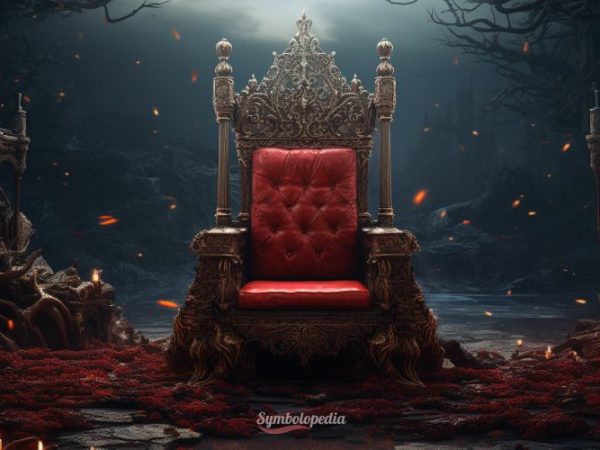
- Throne: Represents power vacated, a leader missing, or the anticipation of a new ruler. It can also signify divine authority or judgment.
- Wheelchair: Symbolizes disability, loss of mobility, or the absence of a person with special needs. It may also represent resilience and adaptation.
- School chair: Reflects childhood, education, and the absence of a student or teacher. It can evoke memories of youth or missed opportunities in learning.
- Dining chair: Commonly linked to family gatherings, meals, and the absence of a loved one at the table. It is a powerful symbol of grief and remembrance.
Frequently Asked Questions
Q: What does an empty chair symbolize in a dream?
A: In dreams, an empty chair often represents feelings of loss, loneliness, or anticipation. It may indicate a missing person in your life or an opportunity that is waiting to be taken.
Q: Is an empty chair a symbol of death?
A: Not always, but it is commonly associated with death and mourning, especially when used in memorials or funerals. It can also symbolize absence in a broader sense, such as separation or change.
Q: What is the empty chair technique in therapy?
A: The empty chair technique is a Gestalt therapy method where the client speaks to an empty chair as if a person or part of themselves is sitting there. It helps address unresolved feelings and conflicts.
Q: Why is an empty chair used in political protests?
A: An empty chair in protests symbolizes the absence of a leader, representative, or justice. It draws attention to a missing voice or a demand for accountability.
Related Symbols
- Door: Both represent thresholds and transitions, with the empty chair marking a pause or absence.
- Table: Often paired with the empty chair to emphasize family, gathering, and loss.
- Window: Like the empty chair, a window can symbolize longing, waiting, and the view of what is absent.
- Throne: A specific type of empty chair that signifies power, authority, and vacancy.
- Grave: Both are markers of absence and memory, though the empty chair is more domestic and personal.