Briefly
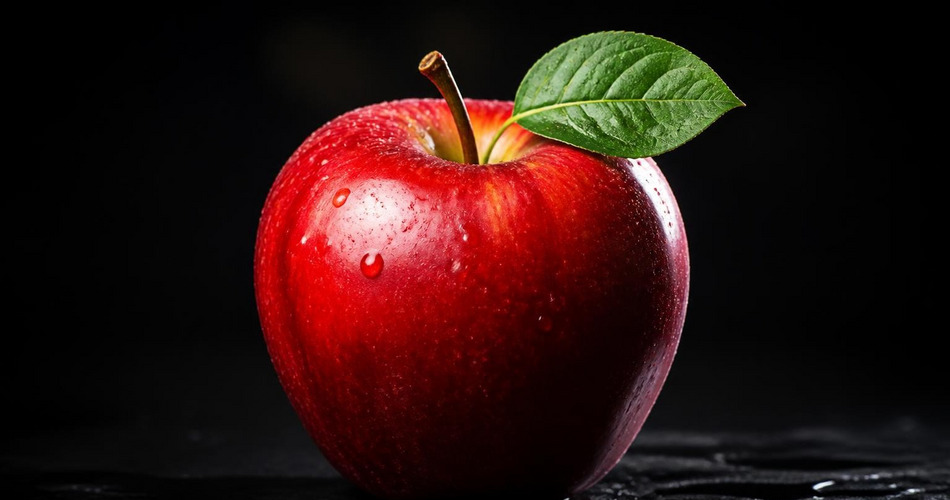
The red apple is one of the most potent and enduring symbols in human culture, embodying a rich duality of meanings. It represents love, beauty, and vitality, yet also stands as a powerful emblem of temptation, forbidden knowledge, and the fall from grace. Its vibrant red color connects it to passion and the heart, while its historical and mythological roots span from the Garden of Eden to the golden apples of immortality in Norse and Greek legends. Across traditions, the red apple serves as a complex symbol of desire, reward, and the profound consequences of choice.
What Does the Red Apple Symbolize?
The red apple is a multifaceted symbol whose meaning shifts dramatically depending on context. At its core, it often represents temptation and forbidden knowledge, most famously in the biblical story of Adam and Eve. Simultaneously, it is a universal symbol of love and romance, frequently used in art and literature to denote desire and affection. The apple’s round shape and rich red color also tie it to beauty, perfection, and vitality. In many traditions, it symbolizes health and nourishment, reflected in the adage “an apple a day keeps the doctor away.” Furthermore, the apple is deeply connected to immortality and the divine, appearing in myths as a fruit that grants eternal youth to the gods.
Positive and Negative Meanings of the Red Apple
Positive associations: The red apple is a vibrant symbol of love, passion, and romance. It represents health, vitality, and well-being, often associated with wholesome nourishment and the simple pleasures of life. In many cultures, it is a sign of abundance, fertility, and a fruitful harvest. As a symbol of knowledge, it can represent wisdom, learning, and the pursuit of understanding.
Negative meanings: The red apple is equally potent as a symbol of temptation, sin, and the fall from grace. It represents forbidden desires and the dangerous allure of the unknown. In fairy tales like Snow White, the apple becomes a tool of deception and poison, symbolizing betrayal and hidden danger. The “apple of discord” from Greek mythology represents strife, conflict, and the destructive power of vanity and rivalry.
History and Origins of Red Apple Symbolism
The apple’s journey into human symbolism began in the wild apple forests of Central Asia, specifically around modern-day Kazakhstan. As cultivation spread along the Silk Road, the apple became integrated into the mythologies and daily lives of countless cultures. The Latin word for apple, “malus,” also means “evil,” a linguistic coincidence that heavily influenced the Christian tradition of identifying the apple as the forbidden fruit in the Garden of Eden. This single association cemented the apple’s role as a symbol of original sin and temptation in Western consciousness for millennia. Before this, however, the apple had a largely positive reputation in ancient Greece, where it was sacred to Aphrodite and used in marriage ceremonies as a symbol of love and desire.
Red Apple Symbolism in Different Cultures
In Greek and Roman mythology, the apple was sacred to Aphrodite (Venus), the goddess of love. Throwing an apple was a declaration of love, and catching one signified acceptance. The “Apple of Discord” thrown by Eris at the wedding of Peleus and Thetis sparked the events leading to the Trojan War. In Norse mythology, the goddess Idun guarded golden apples that granted the gods their immortality, making the apple a symbol of eternal youth and vitality. In Chinese culture, the word for apple (“pingguo”) is a homophone for “peace,” making it a popular gift and symbol of harmony. In Celtic mythology, the apple tree was considered sacred, representing the Otherworld, magic, and poetic inspiration. The mythical island of Avalon, where King Arthur was taken to heal, is derived from the Welsh word for apple, “afal.”
Spiritual Meaning of the Red Apple
Spiritually, the red apple is often seen as a symbol of the soul’s desires and the material world. Its red color connects it to the root chakra, representing grounding, survival, and passion, as well as the heart chakra, representing love and compassion. The act of cutting an apple horizontally reveals a star or pentagram shape at its core, a symbol that has been used in various spiritual traditions to represent the five elements, divine knowledge, and the sacred geometry of creation. This hidden star transforms the apple into a symbol of mystery, revelation, and the interconnectedness of the physical and spiritual realms.
The Red Apple in Myths and Folklore
The red apple is a central figure in some of the world’s most enduring stories. In Christian and Jewish folklore, the apple is widely depicted as the forbidden fruit from the Tree of Knowledge of Good and Evil, which Eve offers to Adam, leading to their expulsion from the Garden of Eden. This narrative has made the apple an indelible symbol of temptation and original sin. In Greek mythology, the golden apples of the Hesperides were a wedding gift to Hera, guarded by a dragon. Heracles was tasked with stealing them as one of his twelve labors. The Judgment of Paris, where Paris awards a golden apple to Aphrodite as the “fairest,” directly leads to the Trojan War. In fairy tales, the Brothers Grimm’s “Snow White” features a poisoned red apple that puts the princess into a death-like sleep, a powerful symbol of jealousy, deception, and the duality of beauty and danger.
The Red Apple in Dreams
In the widely recognized language of dreams, the red apple is a potent symbol that can carry multiple meanings based on its context. It often represents the “fruits” of one’s labor, desires, or temptations. Dreaming of a ripe, red apple can symbolize health, vitality, and the attainment of a long-held wish. Conversely, a rotten or worm-eaten apple might represent disappointment, decay, or hidden corruption. The act of giving or receiving an apple in a dream can be interpreted as an offering of love, knowledge, or temptation, reflecting the dreamer’s waking life relationships and choices.
Common Dream Scenarios Involving Red Apples
- Eating a red apple: Often symbolizes the acquisition of knowledge, the fulfillment of a desire, or the enjoyment of life’s simple pleasures. It can also represent accepting a temptation.
- Receiving a red apple: May indicate an offering of love, a gift of wisdom, or a temptation being presented to you by someone else.
- A rotten or wormy apple: Symbolizes disappointment, a missed opportunity, or a situation that appears good on the surface but is corrupt underneath.
- A golden apple: Represents a high ideal, a spiritual prize, or a great ambition. It can also symbolize immortality or a quest for perfection.
- Picking an apple from a tree: Often signifies reaping the rewards of your hard work, achieving a goal, or taking what is rightfully yours.
Red Apples in Superstitions and Omens
Red apples feature prominently in folk superstitions, particularly those related to love and fortune. A common tradition involves peeling an apple so that the peel falls in one long strip, then throwing it over your left shoulder. The shape it forms is said to reveal the first letter of your true love’s name. Another superstition holds that eating an apple before bed on Halloween or Samhain can cause you to dream of your future spouse. Conversely, seeing an apple tree blossom out of season was traditionally considered an omen of death or bad luck. In many agricultural traditions, a heavy crop of red apples in the fall is a clear omen of a harsh winter to come.
The Red Apple in Art and Literature
The red apple is a recurring motif in art and literature, often loaded with symbolic weight. In Renaissance painting, the apple frequently appears in depictions of the Garden of Eden, the Madonna and Child (representing the future Passion and original sin), and scenes of the Last Supper. In literature, the apple serves as a central symbol in many works. In the Brothers Grimm fairy tale “Snow White”, the poisoned apple is a masterful symbol of deceptive appearances. In John Keats’s poem “To Autumn”, the apple represents the fullness and ripeness of the season. In modern art, René Magritte’s series of paintings titled “The Son of Man” and “The Listening Room” feature a floating green apple that obscures the subject’s face, symbolizing the hidden nature of reality and the constant presence of temptation. The apple is also the iconic logo of Apple Inc., representing knowledge, simplicity, and a break from the norm, a direct nod to its symbolic history.
Red Apple Tattoo Meaning
As a tattoo, the red apple is a versatile and visually striking symbol. It can represent a love for life, a celebration of beauty, and a connection to nature. For many, it is a symbol of knowledge and the pursuit of truth, acknowledging the dual nature of wisdom. A red apple tattoo can also be a personal symbol of overcoming temptation or a reminder of a specific story or myth that holds personal significance. A bitten apple might specifically reference the Apple logo or the story of Adam and Eve, while a whole, perfect apple can symbolize abundance and wholeness. The addition of a knife or a serpent can shift the meaning towards danger, temptation, or the loss of innocence.
Meanings of Different Apple Colors and Variations
While the red apple is the most symbolically charged, variations carry distinct meanings. The golden apple is almost exclusively a symbol of immortality, divine favor, and the ultimate prize, as seen in the myths of the Hesperides and the Norse gods. The green apple often represents youth, inexperience, and sourness, but can also symbolize new beginnings, envy, and a connection to the fairy realm in Celtic folklore. The apple blossom, the delicate flower of the apple tree, is a symbol of love, beauty, and the fleeting nature of life, often used in Chinese and Japanese art. An apple cut in half reveals the star pattern inside, symbolizing hidden knowledge, the divine feminine, and the sacred geometry of creation.
Frequently Asked Questions About Red Apple Symbolism
Q: Why is the apple a symbol of temptation?
A: The apple’s association with temptation primarily comes from the biblical story of Adam and Eve in the Garden of Eden, where a forbidden fruit (traditionally depicted as an apple) leads to the Fall of Man. This narrative cemented the apple as a universal symbol of forbidden desire and the choice between obedience and knowledge.
Q: What does a red apple symbolize in love?
A: In love, a red apple symbolizes passion, desire, and romance. This originates from ancient Greek and Roman traditions where apples were sacred to Aphrodite/Venus, the goddess of love, and were thrown during wedding ceremonies as a symbol of marital bliss and fertility.
Q: What is the meaning of a golden apple?
A: A golden apple universally symbolizes immortality, divine favor, and the ultimate prize. It appears prominently in Greek mythology (the Apples of the Hesperides) and Norse mythology (Idun’s apples), representing the source of eternal youth and the highest aspiration.
Q: What does an apple symbolize in a dream?
A: In dreams, an apple often represents the fruits of one’s labor, desires, or temptations. A ripe red apple can symbolize health and achievement, while a rotten one may signify disappointment or hidden decay. The context of the dream is crucial for interpretation.
Symbols Related to the Red Apple
- Apple Tree: The tree from which the fruit grows, symbolizing life, knowledge, and the cycle of seasons.
- Pomegranate: Another fruit rich in symbolism, representing fertility, death, and the underworld in Greek mythology.
- Forbidden Fruit: A broader symbol of temptation, knowledge, and the breaking of rules.
- Pear: Often associated with affection, comfort, and longevity, sometimes as a softer counterpart to the apple.
- Golden Apple: A specific mythical variant symbolizing immortality, discord, and the ultimate prize.
- Garden of Eden: The mythical setting for the apple’s most famous symbolic role as the forbidden fruit.