Briefly
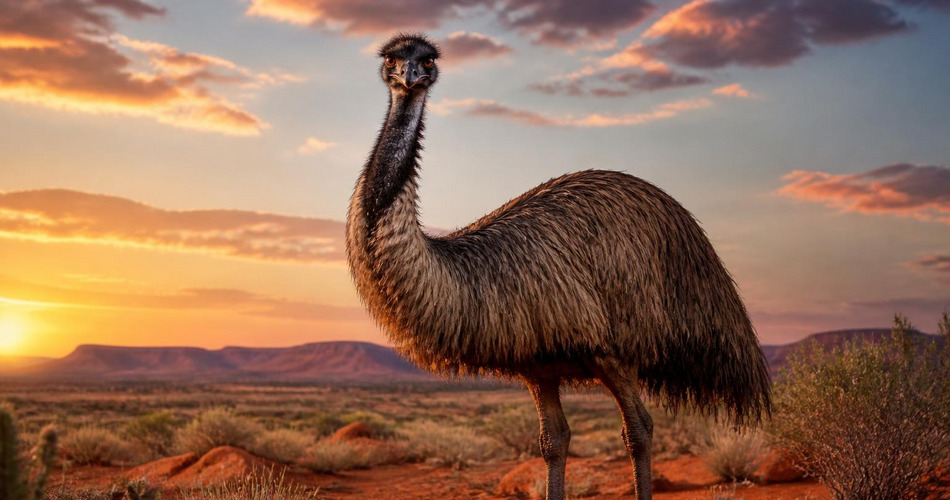
The emu, a large flightless bird native to Australia, symbolizes endurance, curiosity, and nurturing. Its inability to fly is not seen as a limitation but as a reminder to stay grounded and explore the world with patience and determination. Emus are also associated with protection and family bonds, as males are devoted parents who incubate eggs and raise chicks. In broader symbolism, the emu represents resilience in the face of adversity and the value of steady progress over haste.
What Does the Emu Symbolize?
The emu is a powerful symbol of endurance and perseverance. As a bird that cannot fly but can run at speeds up to 50 km/h for long distances, it teaches the lesson that success comes from consistent effort rather than shortcuts. Its long legs and strong feet symbolize stability and the ability to move forward despite obstacles. The emu also represents curiosity and exploration, as it is known to investigate its surroundings with keen interest. In many interpretations, the emu embodies the balance between independence and community, as it lives in flocks but maintains individual space.
Additionally, the emu is a symbol of nurturing and paternal care. Unlike most birds, the male emu takes on the primary role of incubating eggs and caring for the young, making it a rare emblem of fatherhood and protective love. This aspect connects the emu to themes of family, responsibility, and selflessness.
Positive and Negative Meanings
Positive associations: The emu is widely seen as a symbol of resilience, adaptability, and patience. It encourages people to stay grounded and persevere through challenges with steady determination. Its nurturing behavior highlights the importance of family bonds and caring for others. The emu also represents freedom of movement and exploration, as it roams vast landscapes without fear.
Negative meanings: In some contexts, the emu can symbolize stubbornness or a lack of direction, as its curious nature may lead it into unnecessary trouble. Its flightlessness might be interpreted as limitation or an inability to rise above problems. In rare cases, the emu’s protective instincts can be seen as aggression or overprotectiveness, especially when defending its young.
History and Origins of the Emu Symbolism
The emu has been a significant symbol in Australian Aboriginal cultures for thousands of years. Its image appears in ancient rock art and Dreamtime stories, where it often represents creation, survival, and the connection between land and sky. The emu is also featured in the Aboriginal constellation known as the “Emu in the Sky,” which is formed by dark patches in the Milky Way and used to mark seasonal changes and the availability of emu eggs. This astronomical interpretation reflects the bird’s role as a guide for sustenance and timekeeping.
With European colonization, the emu became a national emblem of Australia, appearing on the coat of arms alongside the kangaroo. This pairing symbolizes progress, as neither animal can move backward easily, representing a nation moving forward. The emu’s inclusion in heraldry reinforces its status as a symbol of national identity and resilience.
Emu Symbolism in Different Cultures
In Aboriginal Australian cultures, the emu is deeply revered. It is a totem animal for many clans, representing strength, survival, and the importance of community. The emu is also central to creation myths, such as the story of how the emu lost its wings, teaching lessons about humility and the consequences of pride. The bird’s fat and oil have been used in traditional medicine, symbolizing healing and nourishment.
In modern Western culture, the emu is often seen as a quirky and curious creature, symbolizing individuality and the courage to be different. Its image is used in tourism and branding to evoke the wild, untamed spirit of the Australian outback. The emu’s association with fatherhood has also been embraced in contemporary discussions about parenting roles.
Spiritual Meaning of the Emu
Spiritually, the emu is considered a guide for those seeking to stay grounded while pursuing their goals. Its energy encourages patience and trust in the journey, reminding individuals that slow and steady progress leads to lasting results. The emu also represents protection, especially in matters of family and home, and is thought to help people develop nurturing qualities. In some spiritual traditions, the emu is a symbol of the earth mother, connecting people to the land and its cycles.
Emu in Myths and Folklore
In Aboriginal Dreamtime stories, the emu appears in several tales. One well-known story tells of the emu and the brolga (a type of crane) competing in a dance contest, which explains the emu’s distinctive movements and the brolga’s graceful steps. Another myth explains why the emu cannot fly: the bird was punished for its arrogance after mocking other birds. These stories often carry moral lessons about humility, respect, and the consequences of one’s actions.
In Australian folklore, the emu is sometimes portrayed as a trickster figure, using its cleverness to outsmart predators or humans. This reflects the bird’s intelligence and adaptability in the wild.
Emu in Dreams
Dreaming of an emu often symbolizes a need for patience and perseverance. It may indicate that the dreamer is moving too quickly or needs to take a more grounded approach to a situation. The emu in dreams can also represent nurturing instincts or a desire to protect loved ones. If the emu is running, it suggests progress and forward movement, while a stationary emu may point to stagnation or a need to reassess goals.
Common Dream Scenarios
- Seeing an emu in the distance: This may indicate an opportunity or goal that is within reach but requires steady effort to attain.
- An emu chasing you: This could symbolize unresolved issues or fears that you are avoiding, urging you to confront them.
- An emu protecting its young: This reflects your own protective instincts or a need to care for someone vulnerable in your life.
- An emu running freely: This represents a sense of freedom and the ability to move forward without constraints.
Emu in Superstitions and Omens
In Australian bush culture, seeing an emu is often considered a good omen, signaling a period of abundance or a successful journey. However, if an emu crosses your path unexpectedly, it may be a warning to slow down and pay attention to your surroundings. Some Aboriginal traditions hold that the emu’s call can predict rain, linking the bird to weather and fertility omens.
Emu in Art and Literature
The emu appears in various forms of Australian art, from ancient rock engravings to contemporary paintings. Aboriginal artists often depict emus in dot paintings, symbolizing the bird’s connection to the land and Dreamtime stories. In literature, the emu is featured in children’s books such as “Edward the Emu” by Sheena Knowles, which tells the story of an emu trying to be other animals before learning to appreciate himself. This book uses the emu as a symbol of self-acceptance and individuality. The emu also appears in Australian poetry, such as in the works of Banjo Paterson, where it represents the wild and untamed spirit of the bush.
Emu Tattoo Meaning
An emu tattoo often symbolizes endurance, resilience, and a connection to nature. It can also represent fatherhood or nurturing qualities, inspired by the male emu’s parenting role. For those with Australian heritage, the emu tattoo is a symbol of national pride and a reminder of the land’s ancient cultures. The tattoo may also be chosen to express individuality and a grounded, adventurous spirit.
Meanings of Different Emu Variations
- Emu feather: Represents lightness, freedom, and connection to the spiritual realm, often used in Aboriginal ceremonies.
- Emu egg: Symbolizes fertility, new beginnings, and the potential for growth, as the dark green eggs are unique and prized.
- Emu footprint: In Aboriginal art, the footprint is a common motif representing the bird’s presence and guidance on the land.
Frequently Asked Questions
Q: What does the emu symbolize in Aboriginal culture?
A: In Aboriginal culture, the emu is a totem animal representing strength, survival, and community, and it appears in Dreamtime stories as a creator figure and a source of moral lessons.
Q: Is the emu a symbol of good luck?
A: Yes, in many Australian traditions, seeing an emu is considered a good omen, often associated with abundance and successful journeys.
Q: Why is the emu on the Australian coat of arms?
A: The emu appears on the coat of arms alongside the kangaroo because neither animal can walk backward easily, symbolizing Australia’s forward progress and national identity.
Related Symbols
- Kangaroo — National symbol of Australia, representing forward movement and resilience.
- Ostrich — Another large flightless bird, symbolizing speed, strength, and avoidance.
- Cassowary — A related bird known for its protective nature and vibrant colors.
- Brolga — A crane featured in Aboriginal myths alongside the emu.
- Aboriginal art symbols — Includes emu footprints and feathers as cultural motifs.