Briefly
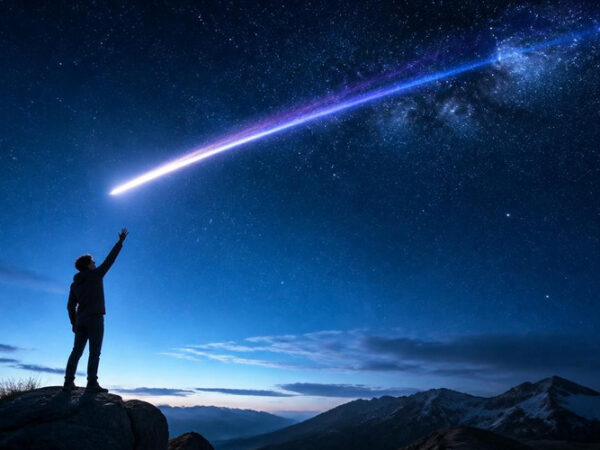
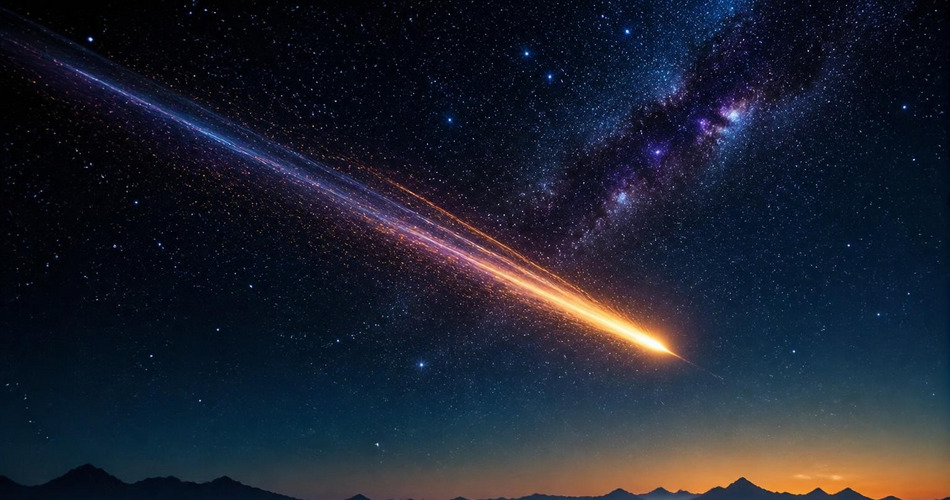
A falling star, also known as a shooting star or meteor, is a bright streak of light that appears when a meteoroid enters Earth’s atmosphere and burns up. Throughout history, this fleeting celestial event has been seen as a powerful symbol of wishes coming true, sudden change, and the transient nature of life. While many cultures associate falling stars with luck and divine messages, others interpret them as omens of disaster or the fall of a soul. Their brief, brilliant appearance makes them a universal emblem of both hope and impermanence.
What Does a Falling Star Symbolize?
The symbolism of a falling star revolves around its most obvious qualities: its sudden appearance, its brilliance, and its rapid disappearance. At its core, a falling star symbolizes transience — the fleeting nature of beauty, life, and opportunities. It reminds observers that precious moments are often brief and must be seized. Across many traditions, a falling star also represents a wish coming true, derived from the folk belief that if you make a wish upon seeing one, it will be granted because the star has granted you a moment of magic. Additionally, falling stars are often viewed as messages from the cosmos—signs of change, a new beginning, or a spiritual visitation.
Positive and Negative Meanings of Falling Stars
Positive associations: A falling star is most often linked to good fortune, hope, and the fulfillment of desires. In many cultures, spotting a shooting star is considered a lucky event that invites one to make a wish. It also symbolizes inspiration and the sudden flash of an idea, as well as a guiding light in times of darkness. The spiritual connotation of a soul ascending to heaven or descending to bring a message adds a comforting, positive layer.
Negative meanings: Historically, some traditions viewed falling stars as ominous. They could portend disaster, death of a ruler, or a catastrophic event. In ancient times, a meteor shower might have been seen as an angry god’s weapon or a sign that the heavens were falling. The fleeting nature can also symbolize the brevity of life, lost opportunities, or sudden endings without warning.
History and Origins of Falling Star Symbolism
Human observation of meteors dates back to prehistoric times. Early records from Chinese astronomers around 687 BCE describe meteor showers. In ancient Greece, Aristotle noted meteors in his work Meteorology, considering them atmospheric phenomena. The term “shooting star” reflects the ancient belief that stars could fall from the sky. The symbolism of wishing upon a star is of unknown origin but is widespread in European folklore, possibly linked to the idea that stars are divine or that a falling star signifies a soul being released. The association with luck likely comes from the rarity and beauty of the sight.
Falling Star Symbolism in Different Cultures
Many cultures around the world have imbued falling stars with distinct meanings. In Native American traditions, particularly among the Cherokee and Lakota, falling stars are seen as fire from the sky or as spirits traveling between worlds. In Chinese mythology, a falling star could signal the birth or death of an important person. In Islamic tradition, falling stars are believed to be missiles thrown at devils who try to eavesdrop on heaven. In ancient Rome, the appearance of a shooting star was sometimes interpreted as an omen, especially in military contexts. The Japanese term “nagareboshi” literally means “flowing star” and is associated with making wishes during the Tanabata festival. Despite these differences, the common thread is the interpretation of falling stars as powerful, otherworldly messages.
Spiritual Meaning of a Falling Star
Spiritually, a falling star is often considered a sign from the universe, a departed loved one, or an angel. Its sudden flash is seen as a moment of divine connection or a reminder of the soul’s journey. In some New Age beliefs, a falling star represents a soul reincarnating—descending to Earth—or a spirit ascending after death. The brief light is thought to be a prompt to pay attention to an inner wish or to let go of what no longer serves you. Witnessing a falling star can feel like a personal spiritual signal, urging reflection and a renewed sense of purpose.
Falling Stars in Myths and Folklore
In Greek mythology, falling stars were sometimes thought to be reflections of the gods or the fire of Phaethon’s disastrous chariot ride, though Phaethon himself fell as a blazing body, not a star. A more direct myth involves the story of the Goddess Aurora (Eos) weeping for her son Memnon, with her tears becoming falling stars. In Norse mythology, falling stars were seen as sparks from the clash of swords in the sky. European folklore often depicts falling stars as souls falling from heaven, either as punishment or as a sign of a soul in need of prayer. In many regions, a falling star was thought to mark the spot where a treasure was buried, later evolving into the wish-making tradition.
Falling Stars in Dreams
Dreaming of a falling star typically relates to sudden change, a brief opportunity, or an important realization. The dream may symbolize that something in your life is ending abruptly, or that you are experiencing a moment of clarity. Because falling stars are rare in the waking world, seeing one in a dream can feel profound. It might represent a wish that is about to come true or a warning that you need to act quickly on an inspiration. The emotional tone of the dream (awe, fear, excitement) influences the interpretation.
Common Falling Star Dream Scenarios
- Making a wish on a falling star: Suggests that you have a strong desire or hope that you are ready to pursue; the dream encourages you to take action.
- Watching a meteor shower: Symbolizes a period of abundant opportunities or messages from the subconscious; you may be overwhelmed but inspired.
- A falling star hitting the ground near you: Indicates a sudden, dramatic change or a shocking revelation that will affect your life directly.
- A falling star fading before hitting the ground: Represents a missed opportunity or a hope that did not come to fruition; it may also signify a gentle ending.
Falling Stars in Superstitions and Omens
Making a wish upon seeing a shooting star is the most enduring superstition. This practice likely originates from the belief that such a rare celestial event was a moment when the gods (or the universe) were listening. In some folk traditions, a falling star could also be an omen of death, especially of a great leader. For example, in medieval Europe, a meteor was said to foreshadow the death of a king. Conversely, sailors sometimes saw falling stars as signs of favorable winds or a safe journey. In many cultures, the direction of the falling star (e.g., towards or away from the observer) could be interpreted as good or bad luck.
Falling Stars in Art and Literature
Falling stars have a rich presence in creative works, often serving as metaphors for doomed love, lost innocence, or sudden inspiration. In William Shakespeare‘s play “Julius Caesar”, the night before Caesar’s murder is filled with “falling stars” (meteors) that the citizens interpret as omens of disaster. In “The Fallen Star” by poet Robert Frost (the poem “The Fall of a Star” from his collection), he reflects on the cold and isolation of a star’s descent. In modern film, “A Star Is Born” (multiple versions including 1937, 1954, 1976, 2018) uses the metaphor of a rising star falling to depict the tragic arc of fame. In visual art, Vincent van Gogh’s “The Starry Night” does not contain a falling star per se, but its swirling heavens evoke the energy of celestial motion, and some interpretations see the bright central orb as a shooting star.
Falling Star Tattoo Meaning
A falling star tattoo often symbolizes wishes, hope, and the beauty of fleeting moments. It can also represent a significant change in one’s life, a remembrance of a loved one who has passed (viewed as a soul traveling), or a reminder to seize opportunities. Some choose a falling star to mark a turning point, such as a major move, a breakup, or a new beginning. The design is popular in minimalist form (a single streak) or as part of a celestial scene. Depending on the direction (upward or downward), it can signify a soul ascending or a blessing descending.
Meanings of Different Types of Falling Stars
- Brief shooting star: Symbolizes a fleeting opportunity or a quick wish; often associated with sudden inspiration.
- Bright fireball: Represents a major event, a powerful omen, or a dramatic change that cannot be ignored.
- Meteor shower: Symbolizes abundance of blessings, a period of many opportunities or messages, and sometimes an overwhelming emotional release.
- Slow, bright meteor (earthgrazer): Represents a long-lasting moment of inspiration or a gradual change that takes time to unfold.
Frequently Asked Questions About Falling Stars
Q: What does a falling star symbolize in the Bible?
A: In the Bible, falling stars often symbolize divine judgment or the fall of angels. For instance, in Revelation, a great star falls from heaven, representing Satan’s fall from grace.
Q: Why is it called a shooting star?
A: The term comes from the visual impression that a star is “shooting” across the sky. In reality, it is a meteoroid burning up in the atmosphere.
Q: Can a falling star be a sign from a loved one?
A: Many people spiritually believe that a falling star is a sign from a deceased loved one, indicating they are watching over you or sending a message.
Q: Is seeing a falling star good luck?
A: In most cultures, yes — it’s considered a good omen, especially if you make a wish. However, some traditions view it as an omen of change or warning.
Related Symbols
- Shooting star — synonymous with falling star, often used interchangeably in symbolism
- Meteor — the scientific term; carries similar symbolic weight of suddenness and transience
- Comet — sometimes conflated; comets symbolize longer-lasting change, heralding revolutions or events
- Star — a steady symbol of guidance, hope, and eternity, contrasting with the falling star’s fleeting nature
- Wish — the act of wishing is closely tied to the falling star tradition