Briefly
Funeral flowers are a universal gesture of condolence, used to honor the deceased and comfort the bereaved. Their symbolism varies by culture and flower type, but common themes include sympathy, remembrance, love, and the transient nature of life. The choice of blooms and colors can convey specific emotions, from pure white lilies symbolizing innocence to red roses expressing deep love.
What Does Funeral Flowers Symbolize?
Funeral flowers primarily symbolize sympathy and support for the grieving family. They also represent the beauty and fragility of life, serving as a reminder of the cycle of birth, death, and renewal. Different flowers carry distinct meanings: lilies often symbolize restored innocence after death, roses convey love and respect, chrysanthemums in many cultures represent grief and mourning, and carnations stand for remembrance.
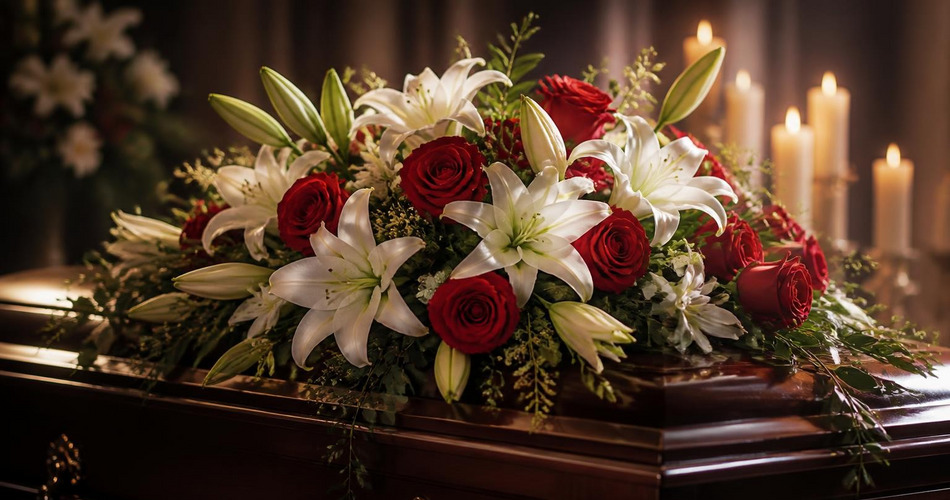
The arrangement itself can also hold meaning. Wreaths signify eternal life and victory over death, while sprays are often used to cover the casket as a final tribute. Flowers sent to the funeral home or family home express solidarity and shared sorrow.
Positive and Negative Meanings
Positive associations: Funeral flowers offer comfort, hope, and a sense of peace. They celebrate the life of the departed and provide a tangible expression of love and support. White flowers, in particular, are associated with purity, peace, and the soul’s journey to the afterlife.
Negative meanings: In some contexts, funeral flowers can evoke sadness, finality, and the pain of loss. Certain blooms, such as lilies, are strongly tied to death and may be avoided in non-funeral settings. Overly elaborate arrangements might be seen as ostentatious or inappropriate for a somber occasion.
History and Origins of the Symbolism
The tradition of using flowers at funerals dates back to ancient times. Early humans buried their dead with wildflowers, as evidenced by pollen found in Neanderthal graves. The ancient Egyptians, Greeks, and Romans used fragrant blooms to mask the odor of decay and to honor the deceased. In Victorian England, the language of flowers (floriography) became popular, allowing mourners to send coded messages of grief, love, or respect through specific blooms.
Christianity adopted flowers as symbols of resurrection and eternal life, with the lily representing the Virgin Mary and the promise of salvation. Over centuries, funeral flower customs spread across cultures, adapting local flora and beliefs.
Symbolism in Different Cultures
In Western cultures, white lilies are the most common funeral flower, symbolizing purity and the soul’s return to innocence. Red roses denote love and grief, while chrysanthemums are often associated with death in Europe and the United States.
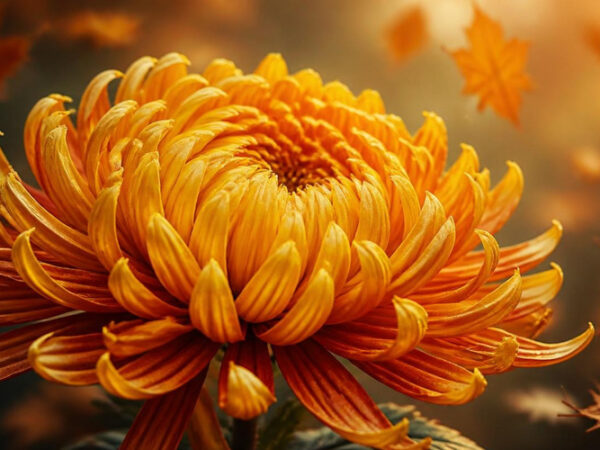
In East Asian cultures, such as China and Japan, white chrysanthemums are the traditional funeral flower, representing grief and lamentation. In Korea, white flowers are used exclusively for funerals, while red flowers are avoided as they symbolize joy. In Mexico, marigolds (cempasúchil) are central to Day of the Dead celebrations, guiding spirits with their bright color and scent.
In Hindu traditions, flowers like marigolds and jasmine are used in funeral rites, often placed on the body or scattered along the path to the cremation site. In Islamic funerals, flowers are sometimes used but are not a required element; simplicity is preferred.
Spiritual Meaning
Spiritually, funeral flowers are seen as a bridge between the physical and the divine. They remind mourners that life is fleeting and that the soul continues beyond death. The act of giving flowers is a prayer for the deceased’s peaceful journey and a gesture of hope for reunion in the afterlife.
Many traditions believe that the scent of flowers attracts angels or spirits, aiding the soul’s transition. White flowers, in particular, are thought to represent the light of the soul and the purity of the spirit released from the body.
In Myths and Folklore
In Greek mythology, the narcissus flower is linked to the story of Persephone and the underworld, symbolizing death and rebirth. The anemone is said to have sprung from the tears of Aphrodite as she mourned Adonis, making it a flower of sorrow and remembrance.
In Christian folklore, the lily is said to have grown from the tears of Eve as she left the Garden of Eden, representing both sorrow and hope. In many European folk traditions, certain flowers like rosemary and rue were placed on graves to ensure remembrance and protection against evil spirits.
In Art and Literature
Funeral flowers appear in numerous works of art and literature. In William Shakespeare’s Hamlet, Ophelia distributes flowers with symbolic meanings: rosemary for remembrance, pansies for thoughts, and fennel for flattery. In the painting Ophelia by John Everett Millais, the flowers surrounding her drowning body carry specific symbolic weight.
In poetry, Emily Dickinson often used flowers to explore themes of death and immortality, as in her poem “Because I could not stop for Death,” where the carriage passes fields of grain and the setting sun. The Victorian language of flowers was frequently employed in literature to convey hidden messages of mourning.
Meanings of Different Types, Colors, or Variations
- White lilies – purity, innocence, restored soul
- Red roses – deep love, grief, respect
- White roses – reverence, humility, eternal love
- Chrysanthemums – mourning, grief (especially in Europe and Asia)
- Carnations – remembrance, affection; white for pure love, pink for gratitude
- Gladioli – strength of character, sincerity
- Orchids – eternal love, sympathy
- Hydrangeas – heartfelt emotion, gratitude
- Marigolds – guiding spirits, remembrance (Mexican tradition)
- Wreaths – eternal life, victory over death
Frequently Asked Questions
Q: What is the most common funeral flower?
A: The white lily is the most common funeral flower in Western cultures, symbolizing purity and the soul’s return to innocence.
Q: Can I send red roses to a funeral?
A: Yes, red roses are appropriate for a funeral and symbolize deep love and grief. However, they are often reserved for close family members.
Q: Are there flowers that should be avoided at funerals?
A: Bright, cheerful flowers like sunflowers or yellow roses may be seen as inappropriate in some cultures, though they can also symbolize hope. It’s best to consider the deceased’s personality and cultural background.
Q: What does a wreath symbolize at a funeral?
A: A wreath symbolizes eternal life and the circle of existence, representing victory over death and the continuity of the soul.
Related Symbols
- Lily – purity, resurrection
- Rose – love, grief
- Chrysanthemum – mourning, death
- Marigold – remembrance, guiding spirits
- Carnation – remembrance, affection
- Wreath – eternal life, victory