Briefly
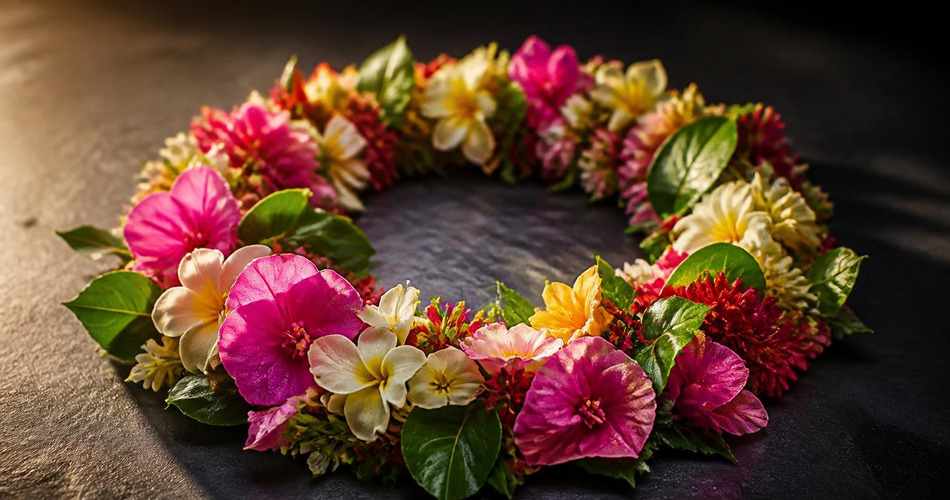
A garland is a decorative wreath or chain of flowers, leaves, or other materials, often worn on the head or around the neck. It symbolizes honor, victory, celebration, and beauty across many cultures. Garlands are used in ceremonies, festivals, and rituals to mark achievements, welcome guests, or commemorate the deceased. They can also represent the cycle of life, fertility, and the transient nature of beauty.
What Does Garland Symbolize?
Garlands carry a range of symbolic meanings that vary by context and culture. At their core, they represent honor and victory—in ancient Greece and Rome, laurel wreaths crowned athletes, generals, and poets. They also symbolize celebration and joy, as seen in wedding garlands and festival decorations. In many traditions, garlands are a sign of welcome and hospitality, such as the Hawaiian lei offered to visitors. Additionally, garlands can embody beauty, fertility, and the cycle of life—flower garlands bloom and fade, reminding us of impermanence. In funerary contexts, they represent remembrance and the soul’s journey.
Positive and Negative Meanings of Garland
Positive associations: Garlands are overwhelmingly positive symbols. They signify achievement, love, friendship, and spiritual devotion. A garland of fresh flowers conveys vitality, abundance, and the sweetness of life. In religious settings, they express reverence and purity.
Negative meanings: When wilted or broken, garlands can symbolize decay, loss, or the fleeting nature of earthly beauty. Funeral garlands, while honoring the dead, also carry an association with mourning and mortality. In some superstitions, a falling garland is considered an ill omen.
History and Origins of Garland Symbolism
The use of garlands dates back thousands of years. In ancient Egypt, flower collars were placed on mummies as symbols of rebirth. The Greeks awarded laurel wreaths to victors in the Olympic Games and to poets, linking garlands with glory and intellectual achievement. Romans adopted this practice for military triumphs and civic honors. In India, flower garlands (mala) have been used in Hindu and Buddhist rituals for millennia, offered to deities and worn by brides and grooms. The Hawaiian lei tradition, introduced by Polynesian settlers, uses garlands of native flowers to convey aloha—love, peace, and welcome. European medieval and Renaissance art often depicted garlands as symbols of virtue, love, and the transience of life.
Garland Symbolism in Different Cultures
India: Garlands (mala) are central to Hindu ceremonies—they adorn temple deities, honor guests, and mark weddings. The exchange of garlands between bride and groom symbolizes mutual acceptance and love. Marigold garlands are especially common for their bright color and resilience.
Hawaii: The lei is a garland of flowers, shells, or feathers given as a gesture of welcome, affection, or respect. Each flower type carries its own meaning: plumeria for new beginnings, orchids for beauty, and maile for peace.
Ancient Greece and Rome: Laurel, oak, and myrtle wreaths were awarded to victors in athletic games, military commanders, and poets. The laurel wreath became a lasting emblem of achievement and authority.
Christianity: Advent wreaths, made of evergreen branches, symbolize eternal life and the coming of Christ. In some traditions, garlands of flowers are placed on graves to honor the departed.
Spiritual Meaning of Garland
In many spiritual traditions, garlands represent the connection between the earthly and the divine. In Hinduism, offering a garland to a deity is an act of devotion and surrender—the flowers’ fragrance and beauty please the gods. In Buddhism, flower garlands illustrate the impermanence of all things; their eventual wilting teaches detachment. The circular form of a garland or wreath symbolizes eternity, the cycle of birth and rebirth, and the unending nature of the soul.
Garland in Myths and Folklore
In Greek mythology, the laurel wreath originates from the story of Apollo and Daphne. After Daphne transformed into a laurel tree to escape Apollo, he made a wreath from its branches as a symbol of his eternal love. This myth cemented the laurel as a symbol of victory and honor. In Roman mythology, the corona civica—a wreath of oak leaves—was awarded to soldiers who saved a citizen’s life, representing civic virtue. In Hindu folklore, the god Krishna is often depicted wearing a garland of wildflowers, symbolizing his playful and loving nature. In European folklore, garlands were used in May Day celebrations to welcome spring and fertility.
Garland in Superstitions and Omens
Garlands appear in several folk beliefs. In some European traditions, a bride’s garland that falls apart during the wedding is thought to foretell misfortune. Conversely, a garland of certain herbs—like rosemary or lavender—was believed to protect against evil spirits. In parts of Asia, garlands of marigolds are hung over doorways to bring good luck and ward off negativity. Breaking a garland accidentally is sometimes seen as a sign of broken promises or a warning to be cautious.
Garland in Art and Literature
Garlands have been a recurring motif in art and literature for centuries. In ancient Greek vase paintings, victors are shown wearing laurel wreaths. The Roman poet Ovid’s Metamorphoses includes the story of Apollo and Daphne, explaining the origin of the laurel garland. In Shakespeare’s A Midsummer Night’s Dream, Titania wears a garland of flowers, emphasizing her connection to nature and enchantment. The concept of the “poet laureate”—a poet officially appointed by a monarch—derives from the ancient practice of crowning poets with laurel. In Indian epics like the Ramayana and Mahabharata, garlands are exchanged as tokens of love and honor. In visual art, Renaissance painters such as Botticelli included flower garlands in works like Primavera to symbolize spring and renewal.
Garland Tattoo Meaning
Garland tattoos are popular for their beauty and layered symbolism. A flower garland tattoo often represents celebration, love, or a connection to nature. A laurel wreath tattoo can signify victory, achievement, or academic success. Hawaiian lei tattoos are chosen to honor Hawaiian culture or to symbolize welcome and friendship. Some people get garland tattoos in memory of a loved one, using specific flowers that held personal meaning. The circular shape of a garland tattoo can also represent eternity or the cycle of life.
Meanings of Different Types of Garland
- Flower garlands: Beauty, transience, love, and celebration. Common flowers include roses (love), marigolds (passion, remembrance), and plumeria (new beginnings).
- Leaf garlands: Victory, endurance, and honor. Laurel and olive wreaths are classic examples.
- Evergreen garlands: Eternal life, resilience, and hope. Used in Christmas and Advent decorations.
- Fruit garlands: Abundance, harvest, and fertility. Often seen in autumn festivities.
- Shell or feather garlands: Connection to the sea or sky, spiritual protection, and cultural identity (e.g., Hawaiian leis).
Frequently Asked Questions about Garland
Q: What does a garland symbolize in a wedding?
A: In many cultures, wedding garlands symbolize love, commitment, and the union of two people. The exchange of garlands is a key ritual in Hindu weddings, representing mutual acceptance and respect.
Q: Why are garlands used in funerals?
A: Funeral garlands honor the deceased and symbolize the soul’s journey, remembrance, and the cycle of life and death. They also offer comfort to the bereaved.
Q: What is the difference between a garland and a wreath?
A: While both are circular arrangements, a garland is typically a flexible chain that can be worn or draped, while a wreath is a rigid ring often hung on doors or used as a headdress.
Q: What does a laurel garland symbolize?
A: A laurel garland symbolizes victory, achievement, and honor. It originated in ancient Greece and Rome, where it crowned athletes, poets, and military leaders.
Related Symbols
- Wreath – a circular garland often used for decoration or as a headdress.
- Lei – a Hawaiian garland symbolizing welcome and affection.
- Crown – a headpiece representing authority and victory.
- Mala – a string of beads or flowers used in Hindu and Buddhist prayer.
- Chaplet – a small wreath or garland, often associated with religious devotion.
- Flower crown – a modern decorative headpiece linked to festivals and nature.