
Briefly
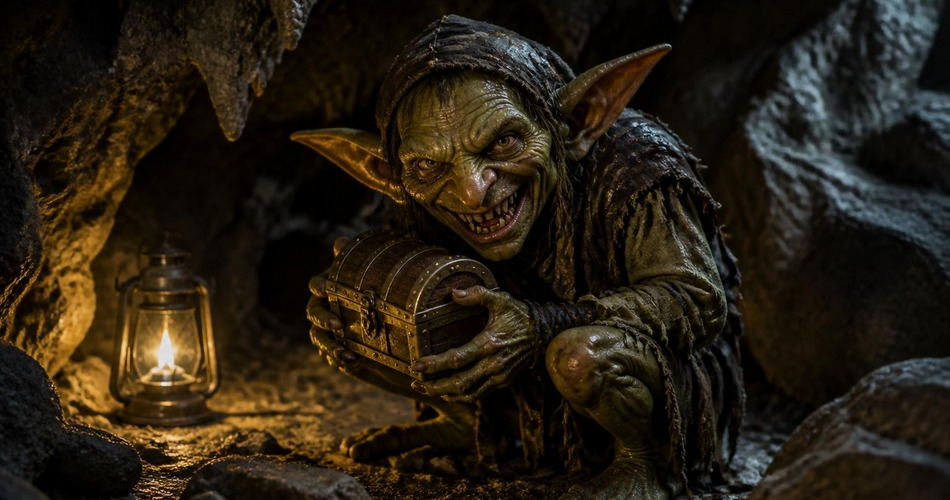
Goblins are mythical creatures from European folklore, often depicted as small, grotesque, and mischievous beings. They symbolize the darker aspects of human nature, such as greed, malice, and a love of trickery, but also represent the untamed and wild forces of nature. In many tales, they serve as guardians of hidden treasures or as obstacles that test the wit and courage of heroes. Their dual nature makes them symbols of both danger and opportunity, embodying the chaos that exists just beyond the boundaries of civilized order.
What Does the Goblin Symbolize?
Goblins are rich in symbolic meaning, primarily representing the trickster archetype found in many cultures. They embody chaos, mischief, and the unpredictable aspects of life. As creatures that often dwell in caves, underground tunnels, or dark forests, they are also symbols of the hidden, the subconscious, and the unknown. Their association with hoarding treasure links them to themes of greed and material desire, while their cunning nature reflects intelligence used for selfish or destructive ends. In some interpretations, goblins symbolize the challenges one must overcome to achieve personal growth or to access hidden knowledge.
Positive and Negative Meanings
Positive associations: Goblins can symbolize cleverness, resourcefulness, and a rebellious spirit. In some folklore, they are protectors of nature or guardians of secret knowledge, rewarding those who outwit them or show them respect. Their trickery can serve as a lesson in humility and caution, teaching the value of wit over brute strength.
Negative meanings: More commonly, goblins represent malice, greed, and deceit. They are often blamed for causing misfortune, stealing children, or leading travelers astray. Their grotesque appearance and cruel pranks embody the fears of the unknown and the dangers lurking in the wild. In many stories, they are malevolent beings that delight in causing harm and chaos.
History and Origins of Goblin Symbolism
The concept of the goblin has deep roots in European folklore, particularly in the British Isles, France, and Germany. The word “goblin” likely derives from the Old French gobelin, which itself may have origins in the Latin cobalus or Greek kobalos, meaning a mischievous spirit. In medieval bestiaries and folk tales, goblins were often lumped together with other household spirits, nature spirits, and demons. They were considered part of a larger class of beings known as “gremlins” or “hobgoblins,” each with specific traits. Over time, the goblin became a distinct figure in folklore, representing the chaotic and often malevolent forces that humans sought to appease or avoid.
Goblin Symbolism in Different Cultures
In British folklore, goblins are often solitary creatures that inhabit caves, mines, or old ruins. They are known for their love of gold and precious stones, and for playing tricks on miners or travelers. In French folklore, the gobelin is a household spirit similar to a brownie, but more prone to mischief and malice. German folklore features the Kobold, a house spirit that can be helpful or harmful depending on how it is treated. In Scandinavian traditions, goblins are sometimes conflated with tomte or nisse, but are generally more malevolent. Across these cultures, the goblin symbolizes the unpredictable and often dangerous forces of nature and the supernatural, serving as a cautionary figure about the consequences of greed, disrespect, or carelessness.
Spiritual Meaning of Goblins
In spiritual and esoteric contexts, goblins are often seen as guardians of the threshold or as symbols of the shadow self. They represent the parts of the psyche that are repressed or denied, such as greed, envy, and spite. Encountering a goblin in a spiritual sense may indicate a need to confront these darker aspects of oneself. Some modern spiritual traditions view goblins as nature spirits that can teach lessons about the importance of balance and respect for the natural world. Their presence in meditation or vision work is often interpreted as a call to examine one’s motives and to be wary of material attachments.
Goblins in Myths and Folklore
Goblins appear in a wide range of myths and folk tales. In the English tale “The Goblin and the Grocer,” a goblin is outwitted by a clever grocer, illustrating the theme of intelligence overcoming supernatural trickery. In the Scottish story “The Goblin of the Glen,” a goblin helps a poor farmer after being shown kindness, showing that these beings can be benevolent if treated with respect. In German folklore, the Kobold is often a household spirit that can bring good luck or cause chaos, depending on the household’s behavior. These stories highlight the goblin’s role as a moral figure, rewarding virtue and punishing vice, while also embodying the unpredictable nature of the world.
Goblins in Dreams
Dreaming of a goblin often symbolizes feelings of being threatened by something small but persistent. It may represent a nagging problem, a guilty conscience, or a fear of the unknown. The goblin in a dream can also be a manifestation of one’s own mischievous or selfish tendencies. Because goblins are associated with hidden treasures, such dreams may indicate that there is something valuable in one’s subconscious that needs to be uncovered, but only after overcoming a challenge or fear.
Common Dream Scenarios
- Being chased by a goblin: This often represents avoiding a problem or emotion that feels overwhelming but is actually manageable.
- Finding treasure guarded by a goblin: Suggests that a reward or insight is within reach, but requires courage or cleverness to obtain.
- Fighting or outwitting a goblin: Indicates the dreamer is successfully confronting a fear or challenge in their waking life.
- A goblin stealing something: May symbolize a fear of loss, or a feeling that something important is being taken away by unseen forces.
Goblins in Superstitions and Omens
In many European superstitions, goblins are blamed for minor misfortunes such as spilled milk, lost keys, or tools that break. They are often considered omens of bad luck, especially if seen at night or in lonely places. Some traditions hold that leaving out offerings of food or milk can appease goblins and prevent them from causing harm. In other beliefs, a goblin’s appearance is a warning of impending danger or a sign that one should be more cautious in their dealings. These superstitions reflect the goblin’s role as a symbol of the unpredictable and often hostile forces of the natural and supernatural world.
Goblins in Art and Literature
Goblins have been featured in art and literature for centuries. In William Shakespeare’s A Midsummer Night’s Dream, the character Puck is often described as a goblin-like trickster. In the 19th century, Christina Rossetti’s poem “Goblin Market” uses goblins as symbols of temptation and forbidden desire. In modern fantasy literature, goblins appear in J.R.R. Tolkien’s The Hobbit and The Lord of the Rings, where they are depicted as cruel, cunning, and warlike creatures. In the Harry Potter series by J.K. Rowling, goblins are skilled metalworkers and bankers, representing themes of greed and racial tension. In visual art, goblins have been depicted in paintings, illustrations, and sculptures, often as grotesque, mischievous figures that embody the darker side of human imagination.
Frequently Asked Questions
Q: Are goblins always evil?
A: No, while many folklore traditions depict goblins as malevolent or mischievous, some stories show them as neutral or even helpful if treated with respect or kindness.
Q: What is the difference between a goblin and a hobgoblin?
A: In folklore, hobgoblins are generally considered more friendly and helpful than goblins, though they can still be mischievous. The term “hobgoblin” is often used to describe a goblin that is more of a household spirit.
Q: Do goblins have any connection to nature?
A: Yes, in many traditions, goblins are associated with natural features like caves, forests, and mines, and are sometimes considered nature spirits or guardians of the earth’s treasures.
Related Symbols
- Kobold: A German house spirit similar to a goblin, often helpful but also mischievous.
- Brownie: A Scottish household spirit that is generally benevolent, unlike the more malicious goblin.
- Trickster: A broader archetype that includes goblins, representing deception, wit, and chaos.
- Gremlin: A modern mythical creature blamed for mechanical failures, sharing the goblin’s mischievous nature.
- Imp: A small, mischievous demon or spirit, often conflated with goblins in folklore.


