
Briefly
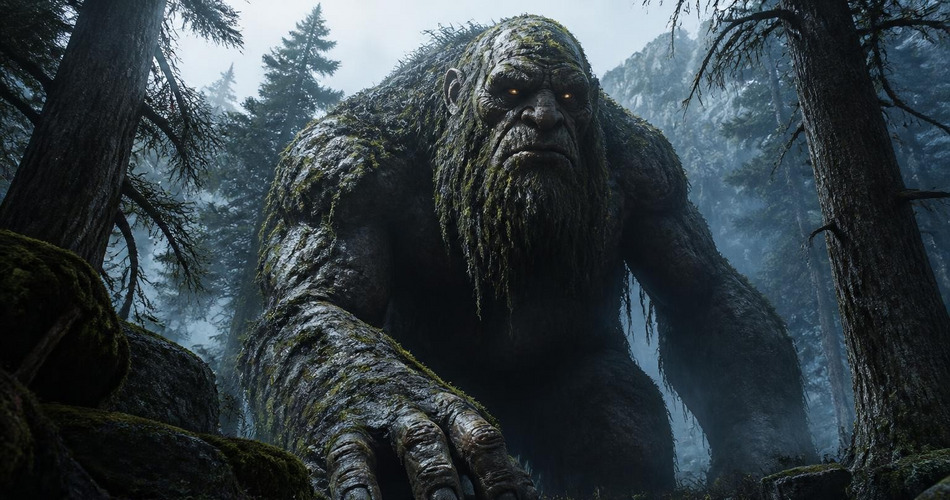
The troll is a powerful figure from Norse and Scandinavian folklore, often depicted as a giant, brutish being living in mountains, forests, or under bridges. It symbolizes the untamed and dangerous aspects of nature, as well as the boundary between the civilized human world and the wild unknown. While commonly seen as a threat, the troll also embodies resilience, ancient wisdom, and the transformative power of the natural landscape.
What Does the Troll Symbolize?
The troll primarily symbolizes the raw, untamed forces of nature and the wilderness. In folklore, trolls are often guardians of the natural world, living in remote caves, deep forests, or under bridges, and they represent the dangers that lie beyond the safety of human settlements. They embody the fear of the unknown and the chaotic, unpredictable aspects of the environment.
Additionally, trolls symbolize transformation and boundaries. In many tales, they are creatures that can turn to stone when exposed to sunlight, representing the transition from the wild to the civilized or the boundary between day and night, life and death. They also serve as a symbol of the threshold, guarding bridges or mountain passes, and testing those who wish to cross.
Positive and Negative Meanings
Positive associations: Trolls can represent strength, endurance, and a deep connection to the earth. In some interpretations, they are seen as protectors of hidden knowledge, ancient wisdom, and natural treasures. They embody resilience and the ability to withstand harsh conditions, and can symbolize the power of the wild that must be respected.
Negative meanings: More commonly, trolls symbolize danger, aggression, and the threat of the unknown. They are often depicted as hostile, stupid, and destructive, representing the chaotic and fearsome aspects of nature that humans must overcome or avoid. They can also symbolize greed, as they are frequently portrayed as hoarders of gold and treasure.
History and Origins of Troll Symbolism
The concept of the troll originates in Norse and Scandinavian mythology and folklore, dating back to the Viking Age. In the Old Norse sagas and Eddas, trolls were often described as giant, monstrous beings, sometimes associated with the jötnar (giants) who were enemies of the gods. They were believed to live in mountains, forests, and remote areas, and were feared for their strength and malevolence.
Over time, the image of the troll evolved in Scandinavian folklore. In later folk tales collected in the 19th century, trolls became more varied, ranging from giant, dim-witted creatures to smaller, more cunning beings. They were often associated with specific landmarks, such as large rocks or hills, which were said to be trolls turned to stone by the sun. This rich oral tradition deeply influenced the modern understanding of trolls as symbols of the wild and the supernatural.
Troll Symbolism in Different Cultures
While the troll is most strongly associated with Scandinavian cultures, similar figures appear in other traditions. In Norse mythology, trolls are closely linked to the jötnar, representing the chaotic forces of nature that oppose the order of the gods. In later Swedish, Norwegian, and Danish folklore, trolls became more localized, with stories often explaining natural features like mountains or boulders as the remains of trolls.
In modern Western culture, the troll has been adapted into a symbol of the monstrous and the other, appearing in fantasy literature, films, and games. Here, they often retain their role as guardians of thresholds or as embodiments of raw, untamed power. The term “troll” has also entered internet slang, referring to a person who deliberately provokes others, a modern twist on the creature’s disruptive and boundary-testing nature.
Spiritual Meaning of the Troll
In a spiritual context, the troll can represent the shadow self or the untamed aspects of the psyche that must be confronted and integrated. It symbolizes the primal, instinctual forces within humans that are often suppressed by civilization. Encountering a troll in a spiritual sense may indicate a need to face one’s fears, embrace one’s wild nature, or respect the boundaries between the known and the unknown.
The troll’s association with stone and earth also connects it to grounding and stability. It can serve as a reminder of the enduring power of the natural world and the importance of staying connected to the earth. In some neopagan traditions, trolls are seen as nature spirits or guardians of specific places, deserving of respect and offerings.
Trolls in Myths and Folklore
Trolls are central figures in Scandinavian mythology and folklore. In the Old Norse Poetic Edda and Prose Edda, trolls are often mentioned as fearsome beings, sometimes synonymous with giants. They are adversaries of the gods, particularly Thor, who is known for battling them. For example, in the poem Hymiskviða, Thor travels to the land of the giants to obtain a cauldron for the gods.
In later folklore, trolls appear in countless local legends. A common motif is the troll that turns to stone when exposed to sunlight, explaining the presence of large rocks or rock formations in the landscape. Another frequent story involves a troll living under a bridge, demanding a toll or threatening travelers, a theme popularized in the fairy tale “Three Billy Goats Gruff” collected by Peter Christen Asbjørnsen and Jørgen Moe. These tales often serve as cautionary stories about the dangers of the wilderness and the importance of cleverness over brute strength.
Trolls in Dreams
Dreaming of a troll can symbolize a perceived threat or obstacle in one’s waking life. The troll may represent a person or situation that feels overwhelming, hostile, or uncontrollable. It can also reflect inner fears, repressed anger, or aspects of the self that are considered ugly or unacceptable.
Alternatively, a troll in a dream might indicate a need to confront a challenge directly, using wit and courage rather than brute force. The dream may be urging the dreamer to cross a personal boundary or to face the unknown with determination. The specific context of the dream, such as the troll’s behavior and the dreamer’s response, is crucial for interpretation.
Common Dream Scenarios
- Being chased by a troll: This often represents avoiding a difficult issue or fear in waking life. It suggests the need to confront the problem directly.
- Fighting a troll: Symbolizes actively confronting an obstacle or inner demon. Success in the fight indicates overcoming a challenge.
- A troll turning to stone: May represent the resolution of a threat or the transformation of a fear into something manageable or harmless.
- Seeing a troll under a bridge: Points to a barrier or test that must be passed to move forward in life, often requiring cleverness or negotiation.
Trolls in Superstitions and Omens
In traditional Scandinavian folklore, trolls were considered real and dangerous beings. Superstitions advised against traveling alone in the wilderness at night, as trolls were believed to be most active after dark. Leaving offerings, such as food or milk, was sometimes practiced to appease trolls and ensure safe passage through their territories.
Seeing a troll was generally considered a bad omen, foretelling misfortune, illness, or death. However, encountering a troll that did not attack could also be seen as a sign of great courage or favor from the spirits of the land. The belief in trolls also served as a practical warning to stay away from dangerous natural areas, such as steep cliffs or unstable caves.
Trolls in Art and Literature
Trolls have been a staple of Scandinavian art and literature for centuries. In the 19th century, they were popularized in the fairy tales collected by Asbjørnsen and Moe, such as “The Princess Who Could Not Solve the Riddle” and “The Cat Who Could Eat So Much.” These stories often feature trolls as antagonists that are outwitted by clever heroes.
In modern literature, trolls appear in J.R.R. Tolkien’s The Hobbit, where three trolls capture Bilbo and the dwarves, only to be turned to stone by the rising sun. Tolkien’s trolls are based on Norse mythology and are depicted as large, stupid, and greedy. In C.S. Lewis’s The Chronicles of Narnia, trolls are part of the White Witch’s army, representing brute force and evil. More recently, trolls have been featured in the Harry Potter series by J.K. Rowling, where a mountain troll is let into Hogwarts as part of a plot, symbolizing a mindless threat.
In visual art, trolls have been depicted by artists like John Bauer, a Swedish painter known for his illustrations of Scandinavian folklore. Bauer’s trolls are often integrated into the landscape, appearing as part of the forest or mountains, emphasizing their connection to nature.
Frequently Asked Questions
Q: Are trolls always evil?
A: No, while often dangerous, trolls in folklore are not inherently evil. They are more like forces of nature—amoral and powerful. Some stories depict them as guardians or even as beings that can be bargained with.
Q: Why do trolls turn to stone in sunlight?
A: This is a common motif in Scandinavian folklore, likely symbolizing the boundary between the wild night and the civilized day. It also serves as a narrative device to explain rock formations in the landscape.
Q: What is the difference between a troll and a giant?
A: In Norse mythology, the terms are often used interchangeably, but in later folklore, trolls are more closely associated with specific landscapes and are often smaller and more cunning than the jötnar (giants).
Related Symbols
- Giant (Jötunn): A closely related figure in Norse mythology, often synonymous with trolls.
- Dwarf: Another creature from Norse myth, often associated with craftsmanship and hidden treasures, contrasting with the troll’s brute nature.
- Bridge: A common setting for troll encounters, symbolizing a threshold or test.
- Stone: Represents the troll’s fate in sunlight and its connection to the earth.
- Forest: The typical habitat of trolls, symbolizing the wild and the unknown.


