Briefly
The grapevine is a powerful symbol of abundance, fertility, and the cycle of life, deeply tied to the production of wine and the joys of harvest. It represents connection—both through its intertwining growth and the social bonds formed over shared meals and drinks. At the same time, the grapevine embodies transformation, as grapes are crushed and fermented to become wine, a process mirroring personal growth and change. Its enduring nature, with vines living for decades and regenerating each season, also makes it a symbol of resilience and renewal.
What Does the Grapevine Symbolize?
The grapevine primarily symbolizes abundance and prosperity, stemming from its capacity to produce large quantities of fruit year after year. In many traditions, it is a emblem of fertility and the life-giving force of the earth. The vine’s climbing, intertwining growth pattern also represents connection and community, as it weaves together supports and other plants, much like human relationships. Additionally, the grapevine is a potent symbol of transformation: the journey from grape to wine mirrors the alchemical process of turning something simple into something complex and valuable, often associated with spiritual or personal change. Its ability to regenerate each spring, even after harsh winters, makes it a sign of renewal and endurance.
Positive and Negative Meanings
Positive associations: The grapevine is widely seen as a positive symbol of joy, celebration, and social bonding. Wine, its primary product, has been central to feasts, religious rituals, and communal gatherings for millennia, representing hospitality, friendship, and the pleasures of life. The vine’s fruitfulness also signifies wealth, success, and the rewards of hard work, making it a common motif in art and decoration associated with good fortune.
Negative meanings: In some contexts, the grapevine can carry negative connotations, particularly related to overindulgence and intoxication. The phrase “the grapevine” also refers to informal rumor networks, implying gossip that can spread quickly and sometimes harmfully. Additionally, the vine’s need for strong support can symbolize dependence or entanglement, and its association with wine can evoke themes of excess, loss of control, or escapism.
History and Origins of Grapevine Symbolism
The symbolism of the grapevine dates back to ancient civilizations. In ancient Greece, the god Dionysus (later Bacchus in Rome) was closely associated with the vine and wine, representing ecstasy, ritual madness, and the liberating power of nature. The vine was sacred to Dionysus, and his festivals often involved wine consumption and theatrical performances. In ancient Egypt, grapes and wine were linked to the afterlife, with vine motifs appearing in tomb paintings and on funerary objects as symbols of rebirth and eternal life. The Old Testament of the Bible frequently uses the grapevine as a metaphor for Israel, with the vine representing God’s chosen people, and later, in the New Testament, Jesus refers to himself as the “true vine,” with his followers as the branches, emphasizing connection and spiritual nourishment. Throughout the Mediterranean and Middle East, the grapevine has been cultivated for thousands of years, and its symbolism has been woven into religious, agricultural, and social traditions.
Grapevine Symbolism in Different Cultures
In Greek and Roman culture, the grapevine was inseparable from the worship of Dionysus/Bacchus, symbolizing not only wine but also theater, transformation, and the blurring of social boundaries during festivals. In Christian symbolism, the grapevine represents Christ’s sacrifice and the Eucharist, where wine becomes his blood, signifying redemption and eternal life. The vine is also a symbol of the Church as the body of believers united in faith. In Jewish tradition, the grapevine is a symbol of blessing and prosperity, appearing in the Torah as one of the seven species of the Land of Israel, and wine is central to Shabbat and holiday rituals. In Chinese culture, grapes and vines are sometimes associated with fertility and abundance, though less prominently than in Western traditions. In many agricultural societies, the annual grape harvest is a time of communal celebration, reinforcing the vine’s connection to gratitude, hard work, and the cycles of nature.
Spiritual Meaning of the Grapevine
Spiritually, the grapevine is often seen as a symbol of the soul’s journey toward transformation and higher consciousness. The process of grapes being crushed to produce wine is a metaphor for spiritual refinement—through trials and suffering, one can achieve a purer, more valuable state. In Christian mysticism, the vine and branches imagery (John 15) illustrates the intimate connection between the divine and the individual, emphasizing dependence on a higher power for spiritual sustenance. In pagan and nature-based spiritualities, the grapevine represents the cycle of life, death, and rebirth, as the vine dies back in winter and bursts forth with new growth in spring. Its twisting, climbing nature can symbolize the soul’s ascent or the intertwining of the physical and spiritual worlds.
Grapevine in Myths and Folklore
In Greek mythology, the grapevine is central to the story of Dionysus, who was born from Zeus and the mortal Semele. Dionysus is said to have taught humanity the art of viticulture and winemaking, and his myths often involve the vine’s power to bring both ecstasy and madness. One famous tale involves the transformation of pirates into dolphins after they attempted to kidnap the god, with the vine sprouting from the ship’s mast as a sign of his divine presence. In Roman folklore, the god Bacchus was celebrated in the Bacchanalia, festivals that involved wine, music, and ecstatic dancing, sometimes associated with excess and moral transgression. In European folklore, grapevines were sometimes planted near homes to ward off evil spirits, and it was believed that a vine that failed to fruit could be a sign of bad luck or a curse. The phrase “grapevine” as a term for rumor likely originates from the telegraph system in the American Civil War, where messages were said to travel like vines, but it also echoes older folk traditions of news spreading through rural communities connected by vineyards.
Grapevine in Dreams
Dreaming of grapevines often relates to themes of growth, abundance, and social connections. A healthy, fruitful vine may indicate prosperity, successful projects, or strong relationships in the dreamer’s life. Conversely, a withered or barren vine can symbolize missed opportunities, stagnation, or feelings of disconnection. The act of picking grapes in a dream is often seen as a positive sign of reaping rewards after hard work. Dreams of drinking wine from the vine may point to celebration, indulgence, or a need for spiritual nourishment. As with all dream symbols, context and personal associations are key to interpretation.
Common Dream Scenarios
- Seeing a lush, fruit-laden grapevine: Suggests abundance, success, and the fruition of efforts. It may indicate a period of prosperity or emotional fulfillment.
- A withered or dead grapevine: Can represent disappointment, loss, or a sense of stagnation. It may warn of neglected opportunities or relationships.
- Picking grapes from a vine: Often symbolizes harvesting the results of one’s labor, whether in career, relationships, or personal growth. It is generally a positive omen.
- Drinking wine made from the vine: May indicate celebration, social bonding, or a desire for pleasure. It can also suggest a need for spiritual or emotional transformation.
- Being entangled in grapevines: Could reflect feelings of being trapped or overwhelmed by responsibilities or relationships. It may also symbolize a need to cut free from dependencies.
Grapevine in Superstitions and Omens
In various folk traditions, grapevines have been associated with both good and bad omens. In some European cultures, planting a grapevine near the home was believed to bring good luck and protect against evil spirits. A vine that produced an unusually large or early harvest was seen as a sign of impending good fortune. Conversely, a vine that suddenly died or failed to fruit was sometimes considered an omen of misfortune or death in the family. In some regions, it was thought that cutting down a healthy grapevine could bring bad luck to the household. The practice of “talking to” or “scolding” grapevines to encourage growth is a folk belief that persists in some wine-growing areas, reflecting the deep connection between humans and these plants.
Grapevine in Art and Literature
In art, the grapevine has been a recurring motif since antiquity. Ancient Greek and Roman mosaics and frescoes often feature grapevines, especially in scenes of Dionysian revelry or in the decoration of villas and temples. In Christian art, the vine appears in illuminated manuscripts, stained glass windows, and paintings, often symbolizing Christ or the Eucharist—for example, in the famous “Vine and Branches” window at Chartres Cathedral. In literature, the grapevine is a central symbol in the Bible, particularly in the parables of Jesus. In modern literature, John Steinbeck’s novel “The Grapes of Wrath” uses the title to evoke both the bitterness of oppression and the potential for renewal, though the grapevine itself is not a direct symbol in the story. In poetry, the grapevine often appears as a metaphor for life’s sweetness and sorrow, as in the works of Omar Khayyám, who celebrates wine and the vine as symbols of carpe diem and the fleeting nature of joy.
Grapevine Tattoo Meaning
Grapevine tattoos are chosen for their rich symbolism of abundance, growth, and connection. They can represent a love of nature, a connection to winemaking or viticulture, or a personal journey of transformation. The intertwining vines may symbolize family bonds or the interconnectedness of life. In some designs, the grapevine is paired with grapes or wine glasses to emphasize celebration and joy. For those with religious beliefs, a grapevine tattoo can be a symbol of faith, particularly in Christianity, representing the believer’s connection to Christ. The tattoo can also serve as a reminder of resilience, as the vine endures through seasons and continues to bear fruit.
Meanings of Different Types, Colors, or Variations
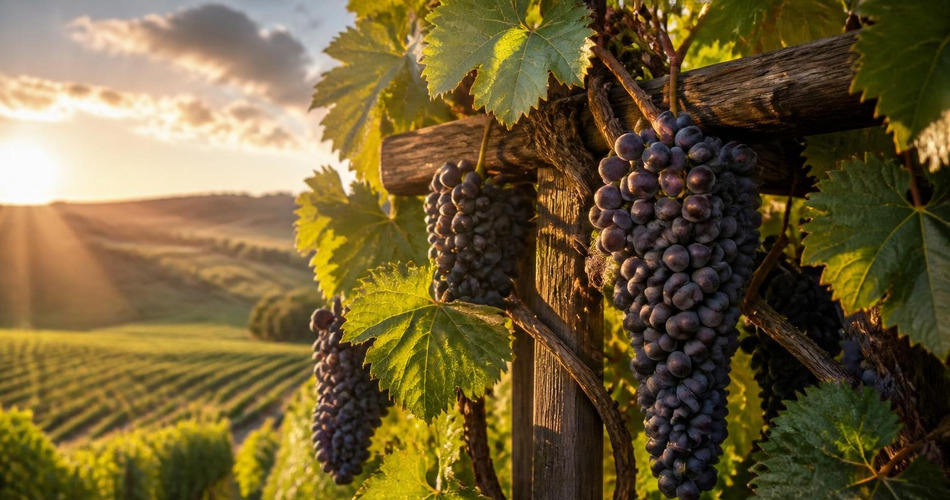
While the grapevine itself is the primary symbol, variations in its depiction can add nuance. A vine laden with ripe, purple grapes emphasizes abundance and the sweetness of life’s rewards. Green grapevines, especially in spring, highlight growth, new beginnings, and fertility. A vine with leaves only, without fruit, may symbolize potential or the promise of future harvest. In art, the color of the grapes can carry meaning: purple or red grapes are often associated with royalty, passion, and the blood of Christ, while white or green grapes may represent purity, renewal, and the lighter aspects of celebration. The shape of the vine—whether tightly coiled or sprawling—can suggest different aspects of connection, from intimate bonds to expansive social networks.
Frequently Asked Questions
Q: What does a grapevine symbolize in the Bible?
A: In the Bible, the grapevine is a powerful symbol of God’s people (Israel) in the Old Testament and of Christ and his followers in the New Testament, representing spiritual connection, fruitfulness, and divine blessing.
Q: Is the grapevine a symbol of good luck?
A: In many cultures, yes. A healthy, fruitful grapevine is considered a sign of prosperity, abundance, and good fortune, and it is often used in decorations and rituals to attract positive energy.
Q: What does a grapevine tattoo mean?
A: A grapevine tattoo commonly symbolizes abundance, growth, transformation, and connection to nature or faith. It can also represent resilience and the cycle of life.
Q: Why is the grapevine associated with gossip?
A: The phrase “grapevine” for rumor likely originated during the American Civil War, when telegraph lines were compared to vines, but it also reflects the way news spreads through interconnected communities, much like a vine’s tendrils.
Related Symbols
- Wine – The product of the grapevine, symbolizing celebration, transformation, and the Eucharist.
- Grapes – The fruit of the vine, representing abundance, fertility, and the rewards of labor.
- Vine – A broader symbol of connection, growth, and the intertwining of life.
- Dionysus / Bacchus – The Greek/Roman god of wine, associated with ecstasy, theater, and the vine.
- Harvest – The season of gathering grapes, symbolizing gratitude, hard work, and cyclical renewal.