Briefly
Iron is a metal that has long been associated with strength, endurance, and the unyielding force of nature. From the earliest tools of the Iron Age to the modern skyscraper, iron represents human ingenuity and the ability to shape the world. It also carries darker connotations of oppression, violence, and inflexibility. Across cultures, iron is a dual symbol — a protector against evil and a weapon of war, a foundation of civilization and a reminder of its harsh realities.
What Does Iron Symbolize?
At its core, iron symbolizes strength — both physical and moral. The phrase “iron will” reflects inner determination and resolve. Iron also stands for durability and permanence; things made of iron are built to last. In many traditions, iron is a protective metal, believed to ward off malevolent spirits. At the same time, iron symbolizes oppression and the cold, impersonal forces of industry and warfare. It is a metal of opposites: creation and destruction, protection and peril.
Positive and Negative Meanings
Positive associations: Iron is linked to courage, resilience, and reliability. It is the material of tools that build civilizations — plows, hammers, swords — and of structures that provide shelter. In alchemy, iron represents the earthly, grounding principle and the strength of the physical body.
Negative meanings: Iron also symbolizes rigidity, coldness, and cruelty. It is the metal of chains, prisons, and weapons of mass destruction. In folklore, iron can be a sign of the unyielding heart, and its presence in dreams sometimes warns of stubbornness or emotional hardness.
History and Origins of Iron Symbolism
Human use of iron dates back over 3,000 years to the Iron Age, when it replaced bronze in tools and weapons. This transition marked a leap in human power over the environment. Early civilizations in Anatolia, the Middle East, and China mastered ironworking, and the metal quickly became a symbol of technological superiority and military might. In many ancient cultures, iron was considered a gift from the gods — for example, in Greek mythology, it was associated with Hephaestus, the blacksmith god. The symbolic weight of iron grew as it became central to agriculture, construction, and warfare.
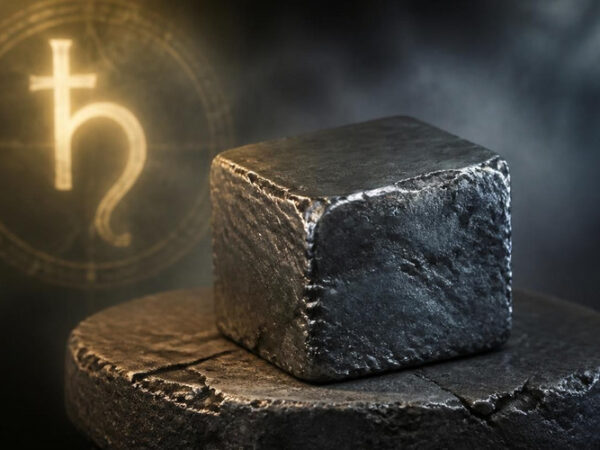
Iron also played a role in early alchemy, where it was linked to the planet Mars and the god of war. Alchemists saw iron as a base metal that could be purified into gold, representing the transformation of the raw human spirit into enlightenment.
Iron Symbolism in Different Cultures
In Chinese culture, iron is associated with the element Metal in feng shui and traditional medicine. It represents strength, authority, and the ability to cut through obstacles. Iron objects were often placed in homes to protect against negative energy.
In Norse mythology, the goddess Thor wielded a hammer made of iron (or steel), symbolizing protection and the forging of cosmic order. Iron was also used in burials to safeguard the dead from evil spirits.
In various African cultures, ironworking was a sacred craft, and blacksmiths were revered as spiritual intermediaries. Iron tools and weapons were imbued with symbolic power, often used in rituals to communicate with ancestors.
In European folklore, iron was considered a powerful apotropaic — a material that repels witches, fairies, and ghosts. Horseshoes, nails, and iron rings were nailed above doors or carried for protection.
Spiritual Meaning of Iron
Spiritually, iron represents grounding and the raw material of the soul. Its heavy, durable nature connects it to the earth element, providing stability and resilience. In meditation and energy work, iron is thought to anchor spiritual energy and protect against psychic attacks. Some practitioners use iron objects to create sacred space or to break harmful thought patterns.
In the context of chakras, iron is sometimes linked to the root chakra, which governs security and survival. Its energy is said to be stimulating and strengthening, promoting willpower and determination.
Iron in Myths and Folklore
Across many cultures, iron appears as a protective substance in myths and folklore. In European traditions, fairies and elves were believed to be vulnerable to iron; carrying a piece of iron could ward off their mischief. Iron nails were placed in cradles to protect infants from changelings. Similarly, in Scottish and Irish folklore, iron was used to seal bargains with supernatural beings or to guard against the evil eye.
In Japanese mythology, the god Takemikazuchi was a deity of iron and swords, representing martial prowess and divine authority. In Hindu mythology, the iron mace is a symbol of physical strength and is associated with the god Hanuman.
Iron in Dreams
Dreaming of iron often points to themes of strength, resistance, or emotional rigidity. Iron objects in dreams can reflect the dreamer’s inner fortitude or, conversely, a sense of being trapped or burdened. The context of the dream matters greatly.
Common Dream Scenarios Involving Iron
- Dreaming of an iron bar or rod: May symbolize a need for support or a desire to bend something unyielding in your life.
- Dreaming of iron chains: Often indicates feelings of restriction, obligation, or being held back by someone or something.
- Dreaming of forging iron: Represents the power to shape your own destiny through hard work and determination.
- Dreaming of rusted iron: Suggests neglect, decay, or a need to address long-standing issues.
Iron in Superstitions and Omens
The most widespread superstition involving iron is the horseshoe hung over doors for good luck and protection. Horseshoes were traditionally made of iron, and their shape was thought to trap good fortune. Finding a rusty nail was once considered an omen of bad luck, while carrying a small iron charm was believed to shield a traveler from harm.
In some cultures, iron was placed under the bed of a sick person to ward off evil spirits. Sailors often carried iron nails to protect against storms and sea monsters. These practices reflect a deep belief in iron’s ability to repel malevolent forces.
Iron in Art and Literature
In literature, iron frequently appears as a metaphor for strength and inflexibility. In Homer’s Iliad, Achilles is described as having an “iron heart,” emphasizing his unyielding resolve. The phrase “iron curtain” entered modern language to describe the political divide in Europe. In children’s literature, Ted Hughes’ The Iron Man portrays a giant metal being that becomes a protector, while the film The Iron Giant explores themes of friendship and sacrifice. In poetry, iron often symbolizes the harsh realities of industrial life, as in the works of the Romantic poets who contrasted iron machinery with natural beauty.
In visual art, iron is both material and subject. Auguste Rodin’s The Thinker was originally cast in iron, and the metal’s dark tones contribute to its somber, contemplative mood. Contemporary sculptors like Richard Serra use industrial iron and steel to explore weight, balance, and space.
Iron Tattoo Meaning
Iron as a tattoo motif often represents inner strength, resilience, and the ability to withstand pressure. Common designs include iron chains (symbolizing bondage or freedom from it), iron anvils (craftsmanship), and iron crosses (sometimes spiritual protection). People may choose an iron-themed tattoo to mark a period of hardship overcome, or to express a solid, unbreakable character.
Variations include rusty iron tattoos, which symbolize the passage of time and the beauty of impermanence, and melted iron designs that evoke transformation and regeneration.
Meanings of Different Types of Iron
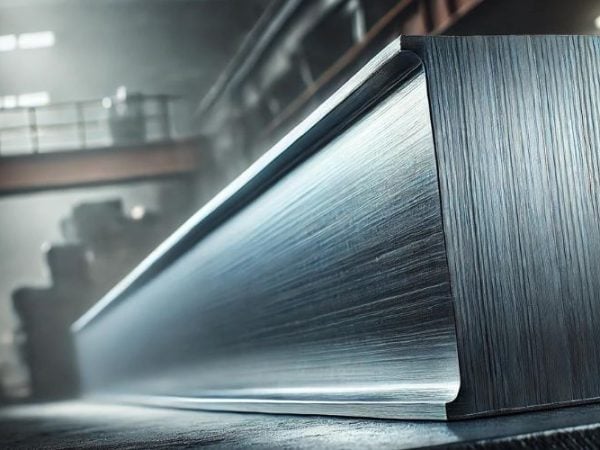
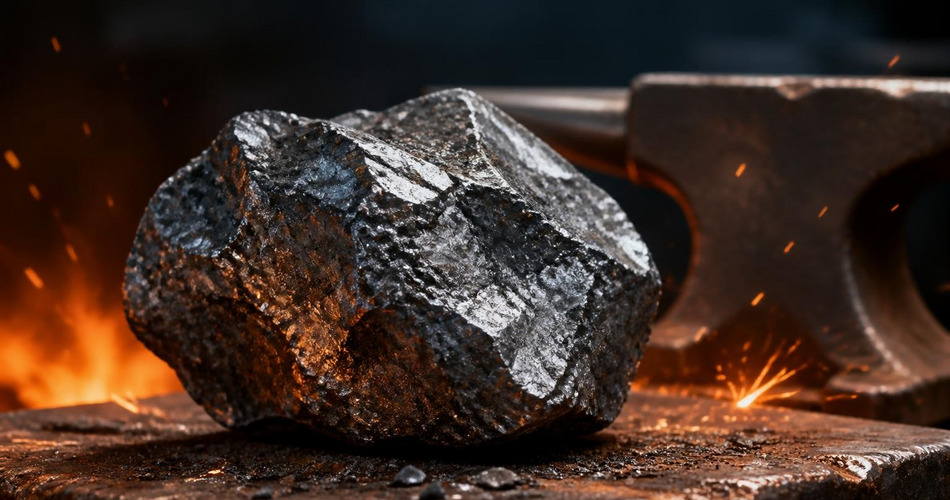
While the symbolism of iron as a metal is fairly consistent, different forms carry nuanced meanings. Wrought iron is associated with craftsmanship and elegant strength, often used in decorative gates and railings. Cast iron symbolizes mass production and utility, as in cookware and machine parts. Pig iron, the raw product of smelting, represents the unrefined potential of the earth. Steel, an alloy of iron and carbon, adds connotations of flexibility and modernity, bridging the old world of iron with the age of industry.
Frequently Asked Questions
Q: What does iron symbolize spiritually?
A: Iron symbolizes grounding, protection, and the raw willpower needed to overcome challenges. In spiritual traditions, it is used to ward off negative energy and strengthen one’s connection to the earth.
Q: Why is iron considered protective in folklore?
A: Many cultures believed that iron repels supernatural beings such as fairies, witches, and demons. This belief likely stems from iron’s association with fire and forging, elements of purification, and its practical use in weapons and tools that could defend against physical threats.
Q: What does dreaming of rusted iron mean?
A: Rusted iron in dreams often symbolizes neglect, decay, or unresolved issues that have been allowed to worsen. It may be a call to attend to neglected areas of your life or relationships.
Q: Is iron a lucky metal?
A: In many traditions, iron is considered lucky when used for protection, like the horseshoe. However, it is not typically associated with luck in the same sense as four-leaf clovers; its “luck” comes from its ability to prevent harm.
Related Symbols
- Steel – A stronger, more flexible alloy often symbolizing modernity and resilience.
- Anvil – Represents craftsmanship, endurance, and the shaping of raw material into form.
- Hammer – Symbolizes power, creation, and destruction; often paired with iron in forging.
- Mars – The Roman god of war, associated with iron and iron ore.
- Horseshoe – A common iron object used for luck and protection in many cultures.