Briefly
Jasper is an opaque, fine-grained variety of chalcedony known for its earthy tones and distinctive patterns. It has been revered across civilizations as a powerful stone of grounding, protection, and spiritual endurance. Its symbolism is deeply tied to the earth, representing stability, courage, and a nurturing presence that supports the wearer through challenging times.
What Does Jasper Symbolize?
Jasper is primarily a symbol of grounding and stability. Its connection to the earth is its most defining characteristic, making it a stone of protection and security. It is also widely known as the “supreme nurturer,” symbolizing support, comfort, and emotional resilience during difficult periods. Historically, jasper symbolizes courage and strength, often carried by warriors and shamans as a talisman for protection and endurance.
Positive and Negative Meanings
Positive associations: Jasper is widely celebrated for its grounding and protective qualities. It is often called the “supreme nurturer,” providing a sense of stability and security during times of stress. Historically, it was carried by warriors for courage and by shamans for spiritual protection. Its energy is believed to promote emotional balance, reliability, and a deep connection to the natural world.
Negative meanings: While primarily positive, an over-reliance on jasper’s grounding energy can theoretically lead to a resistance to change or a lack of motivation for spiritual exploration. In some traditions, if a jasper stone becomes dull or cracks, it is thought to have absorbed a great deal of negative energy, requiring cleansing or retirement. Its strong earthly connection can sometimes feel heavy for those seeking lighter, more ethereal energies.
History and Origins of Jasper Symbolism
The name jasper derives from the Greek word iaspis, meaning “spotted stone,” and the Hebrew yashpeh. It has been used by humanity since prehistoric times. In the ancient world, jasper was highly valued. The Minoans of Crete carved it into intricate seals. In ancient Egypt, green jasper was associated with the heart and the afterlife, frequently carved into heart scarabs and amulets to protect the deceased. Native American cultures used jasper for arrowheads, tools, and in rain-bringing ceremonies, considering it a powerful spirit stone. In the Bible, jasper is listed as one of the twelve stones in the High Priest’s breastplate and is described as the foundation stone of the New Jerusalem in the Book of Revelation.
Jasper Symbolism in Different Cultures
Native American: Jasper was used in rituals to bring rain and was considered a powerful protective talisman. Different tribes valued specific local varieties for their unique patterns and colors.
Ancient Egypt: Green jasper was deeply associated with the heart and the afterlife. It was often carved into heart scarabs and amulets to ensure safe passage and rebirth.
Greek and Roman: Jasper was gifted to ensure safe travel and was believed to protect soldiers in battle. Pliny the Elder documented its various types and purported medicinal properties in his Natural History.
Japanese: The Yahata no Ishi (Yahata Stone) is a famous jasper stone associated with Emperor Keitai, symbolizing longevity and imperial power.
Spiritual Meaning of Jasper
Spiritually, jasper is deeply connected to the root chakra, particularly red jasper, providing a strong foundation for meditation and spiritual work. It is believed to facilitate a deep connection to the earth’s energies, promoting a sense of calmness and wholeness. Jasper is used in crystal healing to align the physical, emotional, and mental bodies, helping to release negative thoughts and emotional stress. Its nurturing energy supports the spirit during times of transition, providing a stable anchor.
Jasper in Myths and Folklore
The Poison Detector: In many cultures, especially Native American folklore, jasper was believed to change color or become hot when near poison, making it a valuable tool for chiefs and medicine people.
The Rain Stone: The Hopi tribe used a specific type of jasper in rain-making ceremonies, believing the stone’s connection to the earth could summon clouds.
The Warrior’s Stone: Across Europe and Asia, jasper was carried into battle to provide courage, stanch bleeding, and protect the bearer from harm.
The Foundation Stone: In Christian mysticism, jasper is the first stone of the New Jerusalem, representing the foundation of faith and the glory of God.
Meanings of Different Jasper Colors and Types
- Red Jasper: The most well-known variety, strongly associated with the root chakra. It symbolizes vitality, passion, physical strength, and grounding.
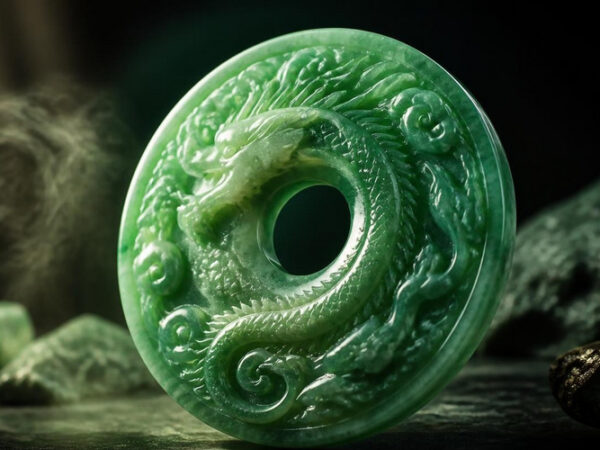
- Green Jasper: Connected to the heart chakra, it represents healing, emotional balance, and a deep connection to nature and plant life.
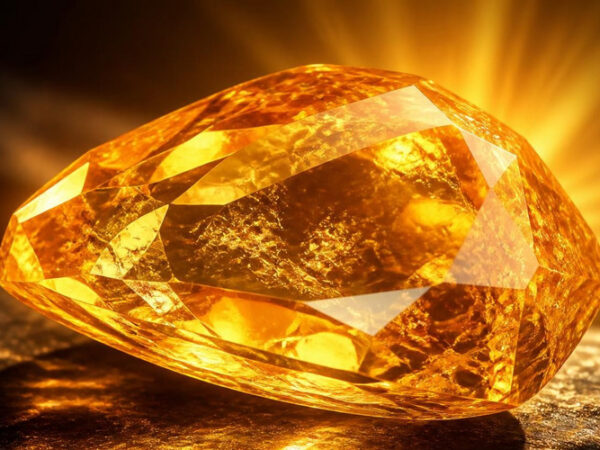
- Yellow Jasper: Tied to the solar plexus chakra, this stone symbolizes confidence, optimism, and mental clarity. It is often used for protection during travel.
- Blue Jasper: A rarer variety, associated with the third eye and throat chakras. It symbolizes tranquility, calmness, and spiritual awareness.
- Picture Jasper: Known for its scenic, landscape-like patterns, it symbolizes the earth’s history and is used for storytelling, meditation, and connecting with ancient wisdom.
- Ocean Jasper: Found only in Madagascar, this stone is associated with emotional healing, joy, and the soothing energy of the ocean.
- Dalmatian Jasper: A white or gray stone with black spots, it symbolizes playfulness, loyalty, and companionship. It is believed to help one not take life too seriously.
Jasper in Superstitions and Omens
- It was believed that a jasper stone could detect poison by changing color or sweating.
- In the Middle Ages, jasper was hung around the necks of children to protect them from falling ill.
- Wearing jasper was thought to improve one’s eloquence and public speaking abilities.
- Some traditions held that jasper could ward off evil spirits and nightmares when placed under a pillow.
- If a jasper stone broke, it was seen as a sign that it had absorbed a powerful negative force meant for the wearer.
Jasper in Art and Literature
Jasper appears in some of the oldest written texts. In the Bible, it is listed as one of the twelve stones in the High Priest’s breastplate (Exodus 28) and is described as the foundation of the New Jerusalem in the Book of Revelation (Revelation 21:19). The Roman naturalist Pliny the Elder extensively documented jasper in his Natural History, describing its various types and the magical and medicinal properties attributed to it. In medieval lapidaries, jasper was frequently cited for its protective powers against fevers and snake bites.
Frequently Asked Questions About Jasper
Q: What is jasper used for spiritually?
A: Spiritually, jasper is primarily used for grounding, protection, and emotional stability. It helps connect the physical body to the earth’s energy and shields the aura from negativity.
Q: How can I cleanse my jasper stone?
A: Jasper can be cleansed by running it under cool water, smudging it with sage or palo santo, placing it in moonlight, or burying it in the earth to recharge its grounding energy.
Q: Is jasper a birthstone?
A: Jasper is not a traditional birthstone, but red jasper is sometimes associated with March and green jasper with October, depending on the cultural or astrological system.
Q: What chakra is jasper associated with?
A: The chakra association depends on the color. Red jasper is strongly linked to the root chakra, green jasper to the heart chakra, and yellow jasper to the solar plexus chakra.
Related Symbols
- Agate: A fellow chalcedony variety, also known for grounding and protection, but with a more harmonizing and balancing energy.
- Carnelian: A red chalcedony related to jasper, symbolizing vitality, creativity, and courage, but with a more fiery and activating energy.
- Bloodstone: A green jasper with red spots, historically revered as a Christian symbol of martyrdom and a powerful healing stone.
- Root Chakra: The energy center most associated with red jasper, representing survival, security, and our connection to the earth.
- Onyx: Another chalcedony variety, known for its powerful protective and grounding qualities, often used for strength and discipline.