Briefly
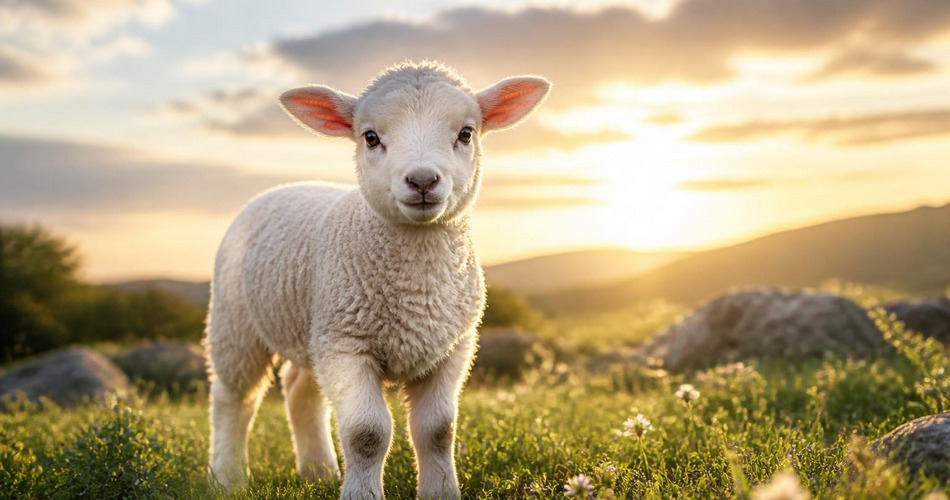
The lamb is a powerful and enduring symbol that primarily represents innocence, gentleness, and purity. Across many cultures and spiritual traditions, it is also deeply associated with the concept of sacrifice, often embodying the idea of an innocent being offered for a greater good. Furthermore, the lamb symbolizes renewal and new beginnings, particularly in connection with spring and pastoral life. Its meek and vulnerable nature makes it a universal emblem of peace and humility.
What Does the Lamb Symbolize?
At its core, the lamb symbolizes innocence and purity. This association stems from the animal’s young age, white wool, and gentle, non-aggressive demeanor. In many contexts, the lamb represents a state of being untouched by the harshness of the world, embodying a kind of spiritual or moral cleanliness.
The lamb is also one of the most recognized symbols of sacrifice. This meaning is particularly prominent in religious narratives where a lamb is offered as a substitute or atonement. The idea of a sacrificial lamb has entered common language to describe anyone who is sacrificed for the sake of others, often unfairly.
Beyond these, the lamb symbolizes gentleness, meekness, and a non-violent nature. It is often used as a contrast to predatory animals, representing peace and the ideal of harmonious existence. In pastoral societies, the lamb is also a symbol of spring, renewal, and the cycle of life, as lambs are typically born in the spring season.
Positive and Negative Meanings
Positive associations: The lamb’s positive symbolism is strong and widespread. It represents innocence, purity of heart, and a gentle spirit. It is a symbol of peace, humility, and the capacity for unconditional love. The lamb also signifies new beginnings, hope, and the promise of renewal, much like the arrival of spring. In a spiritual context, it can represent a follower of a faith or a soul in its purest state.
Negative meanings: The lamb’s negative symbolism primarily revolves around its vulnerability and passivity. It can represent naivety, a lack of worldliness, or an inability to defend oneself. The term “lamb” can be used derogatorily to describe someone who is weak, easily led, or a victim. Its association with sacrifice can also carry a negative connotation of being a scapegoat or an unwilling offering, highlighting themes of exploitation and injustice.
History and Origins of Lamb Symbolism
The symbolism of the lamb has ancient roots, dating back to the earliest pastoral societies where sheep were a primary source of food, clothing, and economic wealth. In these cultures, the lamb, being a young and vulnerable animal, naturally became a symbol of value and something precious to be protected. The act of sacrificing a lamb, a valuable asset, was a significant ritual in many ancient religions, including those of Mesopotamia and the Levant, to appease deities or seek favor.
This practice heavily influenced the symbolism found in the Hebrew Bible (Old Testament), where lambs were central to sacrificial rituals, most notably during the Passover. The blood of a lamb was used to mark the doors of the Israelites, sparing them from the tenth plague. This event established the lamb as a powerful symbol of deliverance and divine protection. This foundation was then built upon in Christianity, where Jesus Christ is referred to as the “Lamb of God” who takes away the sins of the world, cementing the lamb’s role as the ultimate symbol of innocent sacrifice for redemption.
Lamb Symbolism in Different Cultures
In Christianity, the lamb is arguably its most important animal symbol. The “Agnus Dei” (Lamb of God) is a direct reference to Jesus Christ, representing his sacrifice for humanity’s salvation. The lamb is often depicted with a halo or a cross, symbolizing victory over death. It also represents the faithful followers of Christ, who are often referred to as his flock, with Jesus as the Good Shepherd.
In Judaism, the lamb is central to the story of Passover, as described in the Book of Exodus. The Paschal lamb was sacrificed and its blood used as a sign for protection. This event is commemorated annually during the Passover Seder. The lamb also appears in the story of the Binding of Isaac (the Akedah), where a ram is provided by God as a substitute sacrifice for Isaac, reinforcing the theme of substitutionary atonement.
In Islam, the lamb is also associated with sacrifice, particularly during the festival of Eid al-Adha. This holiday commemorates the Prophet Ibrahim’s (Abraham’s) willingness to sacrifice his son Isma’il (Ishmael) as an act of obedience to God. God then provided a ram to be sacrificed instead. The meat from the sacrificed animal is shared with family, friends, and the poor, symbolizing charity and devotion.
In many pastoral and agricultural societies worldwide, the lamb is a universal symbol of spring, new life, and abundance. Its birth marks the end of winter and the return of fertile grazing lands, making it a positive omen for the coming year.
Spiritual Meaning of the Lamb
Spiritually, the lamb represents the pure, untarnished soul and the ideal of divine love and compassion. It is often seen as a guide towards a state of inner peace and humility. The lamb’s spiritual meaning encourages gentleness, forgiveness, and a trusting faith in a higher power. It symbolizes the willingness to surrender one’s own will for a greater spiritual purpose, embodying the concept of sacred sacrifice. For many, the lamb is a comforting symbol of protection, reminding them that they are cared for by a benevolent shepherd, whether that is a deity, a spiritual guide, or the universe itself.
The Lamb in Myths and Folklore
The lamb appears in various myths and folklore, often as a creature of innocence that is either protected or tragically lost. In Greek mythology, the golden-fleeced ram (a male sheep), not a lamb, but closely related, was central to the story of Jason and the Argonauts. The fleece itself became a symbol of authority and kingship.
In European folklore, lambs are sometimes featured in tales about changelings or fairy spirits, where a newborn lamb might be a disguised fairy. There are also folk beliefs about the “Lambton Worm,” a story from Northern England where a man’s encounter with a worm-like creature in a well is connected to his subsequent actions, though the lamb itself is not the main creature. More commonly, folklore uses the lamb as a metaphor for a naive or innocent person who must navigate a dangerous world, often learning hard lessons about trust and deception.
The Lamb in Dreams
Dreaming of a lamb can carry several meanings, often related to the dreamer’s emotional state or life circumstances. The lamb in a dream is a potent symbol that can reflect feelings of vulnerability, a need for protection, or a desire for a simpler, more peaceful life. It can also point to a part of the dreamer’s personality that is gentle, innocent, or perhaps too trusting.
Common Dream Scenarios
- Seeing a white, fluffy lamb: This often symbolizes innocence, purity, and a peaceful state of mind. It may suggest the dreamer is in a period of spiritual growth or emotional calm.
- A lost or crying lamb: This can represent feelings of vulnerability, abandonment, or being lost in a situation. It may indicate that the dreamer feels they need guidance or protection.
- Sacrificing or killing a lamb: This is a complex dream that may symbolize the need to let go of one’s own innocence or naivety to face a harsh reality. It can also represent a personal sacrifice the dreamer is making or feels forced to make.
- A lamb following you: This suggests that the dreamer is taking on a leadership or protective role for someone more vulnerable. It can also indicate that a gentle, trusting part of the dreamer’s own nature is seeking direction.
The Lamb in Superstitions and Omens
In various folk traditions, the lamb is generally seen as a positive omen. Seeing a lamb, especially the first lamb of spring, was often considered a sign of good luck, prosperity, and a fruitful year ahead. In some rural traditions, a lamb born with a particular marking was thought to bring special fortune to its owner.
Conversely, dreaming of a dead lamb or encountering a lamb in a disturbing way could be seen as an omen of lost innocence or a warning of impending hardship. In some superstitious beliefs, the cry of a lamb at night was thought to be an ill omen, though such beliefs are not widespread. Overall, the lamb’s superstitious associations are overwhelmingly positive, tied to themes of renewal and gentle fortune.
The Lamb in Art and Literature
The lamb is a frequent and powerful subject in art and literature. In Christian art, the “Agnus Dei” is a common motif, often depicted in paintings, stained glass windows, and sculptures. A famous example is the Ghent Altarpiece by Jan van Eyck, which features a central panel showing the Mystic Lamb on an altar, its blood flowing into a chalice, symbolizing the Eucharist and Christ’s sacrifice.
In literature, the lamb is famously featured in William Blake’s poem “The Lamb” from his collection Songs of Innocence. The poem directly addresses the lamb, asking who created it, and answers that it was made by the same creator who is also called a Lamb, linking the animal’s gentle nature to the divine. This poem is often paired with its counterpart, “The Tyger,” from Songs of Experience, contrasting innocence with fierce experience.
Another significant literary example is the novel The Lamb by Christopher Moore, a humorous and satirical take on the life of Jesus as told by his childhood friend Biff. While not a traditional representation, it plays on the symbolic weight of the “Lamb of God” title. The phrase “lamb to the slaughter” has become a common idiom, famously used as the title of a Roald Dahl short story, illustrating the theme of a victim being led to its doom.
Lamb Tattoo Meaning
A lamb tattoo is a popular choice for those who wish to express their faith, particularly within Christianity. It can symbolize a person’s devotion, their belief in Christ’s sacrifice, and their own desire for spiritual purity. The image of a lamb with a cross or a halo is a direct and powerful statement of religious identity.
Beyond religious contexts, a lamb tattoo can represent personal qualities such as gentleness, innocence, and a peaceful nature. It may be chosen to commemorate a new beginning, such as the birth of a child, or to symbolize a person’s own journey towards a more humble and compassionate life. A lamb tattoo can also be a memorial for a lost loved one, representing their gentle spirit and the hope of renewal.
Frequently Asked Questions
Q: What does it mean when you see a lamb in your dream?
A: Seeing a lamb in a dream often symbolizes innocence, gentleness, and a need for protection. It can reflect your own vulnerable state or a desire for a more peaceful life. The specific context of the dream, such as whether the lamb is lost, following you, or being sacrificed, will provide more specific insight into its meaning.
Q: Why is Jesus called the Lamb of God?
A: Jesus is called the Lamb of God in Christianity because he is seen as the ultimate, perfect sacrifice for the sins of humanity. This title connects his death to the tradition of sacrificial lambs in Judaism, particularly the Passover lamb, and emphasizes his innocence and the redemptive nature of his sacrifice.
Q: What is the difference between a lamb and a sheep in symbolism?
A: While related, the lamb and sheep have distinct symbolic meanings. The lamb specifically emphasizes innocence, youth, and vulnerability, often in the context of sacrifice. The sheep, on the other hand, more broadly symbolizes followers, community, and docility, especially in the metaphor of a shepherd and his flock.
Related Symbols
- Sheep: Represents the broader flock, community, and followers in a spiritual sense.
- Ram: Symbolizes strength, leadership, and determination, often in contrast to the lamb’s gentleness.
- Dove: Another powerful symbol of peace, purity, and the Holy Spirit in Christian iconography.
- Goat: Often symbolizes independence, stubbornness, and in some contexts, sin or the damned, serving as a contrast to the lamb.
- Cross: The ultimate symbol of Christian sacrifice and redemption, closely tied to the symbolism of the Lamb of God.