Briefly
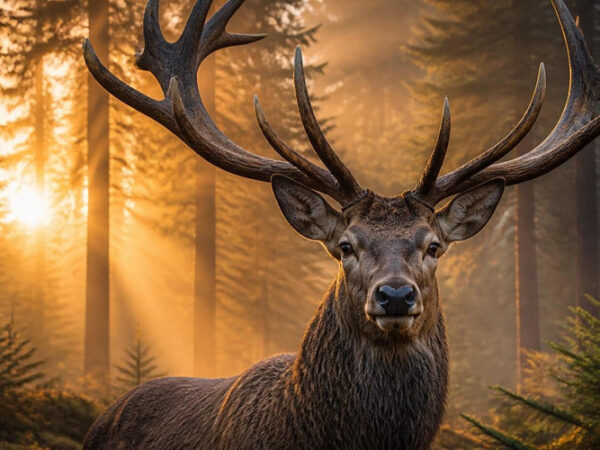
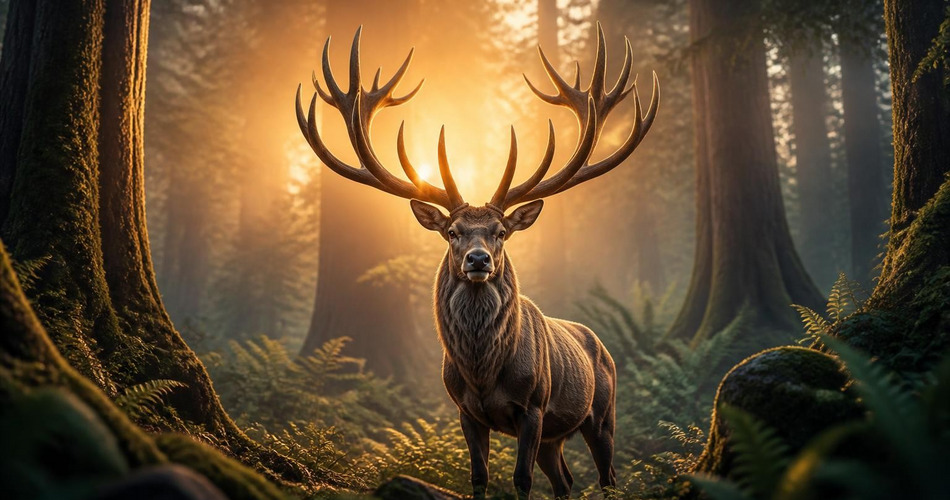
Stag antlers symbolize strength, regeneration, and the cycle of life. As a crown of nature, they represent dignity, authority, and the wild spirit. Antlers are shed and regrown each year, making them a powerful emblem of renewal and resilience. They also connect to spiritual wisdom and the natural world.
What Does Stag Antlers Symbolize?
Stag antlers are primarily symbols of strength, virility, and the untamed forces of nature. Their annual cycle of shedding and regrowth makes them a profound representation of regeneration, rebirth, and the eternal renewal of life. As a natural crown, antlers also signify authority, nobility, and a deep connection to the wild.
In many traditions, the antlers of a stag are seen as antennas that connect the animal to the spiritual realm, making them symbols of intuition and heightened awareness. They embody the duality of gentleness and power, as stags are both graceful and formidable.
Positive and Negative Meanings
Positive associations: Positively, stag antlers represent vitality, endurance, and the ability to overcome obstacles. They are linked to independence, courage, and the wisdom gained through life’s cycles. As a totem, they encourage confidence and graceful assertion of personal power.
Negative meanings: On the negative side, stag antlers can symbolize stubbornness, aggression, or excessive dominance. They may reflect a combative nature or an unwillingness to yield, especially when used to assert authority in a harsh or unbalanced way.
History and Origins of Stag Antlers Symbolism
The use of stag antlers as symbols dates back to prehistoric times. Ancient cave paintings in Europe, such as those in Lascaux, France, depict stags with prominent antlers, suggesting their early significance in hunting and shamanic rituals. The stag was often seen as a mediator between worlds, and its antlers were tools of spiritual power.
In Celtic mythology, the god Cernunnos, often depicted with stag antlers, was a deity of nature, fertility, and the underworld. Antlers were worn by druids and shamans during ceremonies to invoke the stag’s attributes of strength and mystical insight. Similarly, in Siberian shamanism, antlers were used in headdresses to aid in soul journeys and communication with animal spirits.
During the medieval period in Europe, stag antlers were associated with the hunt, a pastime of the nobility that reinforced themes of valor, prowess, and social status. Antlers were often displayed as trophies in great halls, symbolizing not just a successful hunt but the hunter’s courage and connection to the wild.
Stag Antlers Symbolism in Different Cultures
In Native American cultures, the stag (often represented by the deer) is a symbol of sensitivity, intuition, and gentle strength. Its antlers are seen as tools of protection and as a representation of the cycle of life, with some tribes using antlers in rituals to honor the deer spirit and ensure successful hunts.
In Hindu mythology, the stag is associated with the god Chandra (the moon), and antlers are symbolic of the lunar cycle and the mind’s fluctuations. The antlers’ branching shape mirrors the tree of life, linking earth and sky.
In East Asian traditions, particularly in China and Japan, the stag is a symbol of longevity and good fortune. The antlers, especially when depicting a stag with lingzhi (mushroom of immortality) in its mouth, represent health, prosperity, and a long life. The antlers themselves are also used in traditional medicine, believed to have rejuvenating properties.
Spiritual Meaning of Stag Antlers
Spiritually, stag antlers are considered conductors of divine energy. They are believed to help in grounding while also reaching toward higher realms, making them powerful tools for meditation and spiritual work. The antlers’ branching structure is reminiscent of the nervous system and the pathways of energy within the body.
As a spirit animal symbol, the stag with antlers encourages individuals to trust their instincts and walk their path with dignity and grace. It is a reminder of the importance of regeneration, letting go of what no longer serves (like the shed antler), and embracing new growth with courage.
Stag Antlers in Myths and Folklore
The most prominent figure bearing stag antlers in mythology is Cernunnos, the Celtic horned god. He is depicted with antlers and is associated with animals, forests, and the cycle of life and death. His image has been found on the Gundestrup Cauldron (2nd–1st century BCE), a silver vessel from Denmark, which shows him holding a torc and surrounded by animals.
In Greek mythology, the stag is sacred to the goddess Artemis, the huntress, and her brother Apollo. The Ceryneian Hind, a golden-horned deer (which could be seen as a stag in some tales), was a creature that Hercules had to capture as one of his labors. The antlers of this creature were magical and invulnerable.
In Norse mythology, the stag Eikthyrnir stands atop Valhalla, its antlers dripping water that falls into the well Hvergelmir, feeding the rivers of the world. This image connects antlers to the life-giving forces of water and the cosmos.
Stag Antlers in Dreams
Dreaming of stag antlers often indicates a need to recognize one’s own power and authority. It may also point to a period of growth, regeneration, or the need to shed old habits to make way for new opportunities. The antlers can symbolize a connection to nature and the wild aspects of the dreamer’s personality.
If the dreamer is wearing or holding antlers, it may suggest a desire for leadership or a feeling of being called to a higher purpose. If the antlers are broken or shed, it could represent a loss of strength or a natural ending that makes room for renewal.
Common Dream Scenarios Involving Stag Antlers
- Seeing a stag with large antlers: This represents great potential, inner strength, and the blossoming of personal power.
- Antlers being shed: Indicates a needed release of burdens or the end of a chapter, making way for new growth.
- Wearing antlers: Suggests the dreamer is stepping into leadership, embracing their authority, or connecting with a spiritual guide.
- Broken antlers: May symbolize wounded pride, loss of status, or a struggle with vulnerability.
Stag Antlers in Superstitions and Omens
In many folk traditions, finding a shed antler is considered a good omen, bringing luck, protection, and a connection to the forest’s magic. Some believe that hanging antlers above a door wards off evil spirits and brings prosperity to the home.
Conversely, dreams or encounters with antlers that are damaged or diseased can be seen as warnings of misfortune, illness, or a need to be cautious in one’s affairs. In some European superstitions, carrying a small piece of antler is thought to improve fertility and vitality.
Stag Antlers in Art and Literature
Stag antlers have appeared in art for millennia. The Lascaux cave paintings (c. 17,000 BCE) in France depict stags with distinct antlers, likely used in hunting magic or shamanic rituals. The Gundestrup Cauldron (1st century BCE) shows Cernunnos with antlers, a masterwork of Celtic art.
In literature, the stag features in J.R.R. Tolkien’s The Lord of the Rings, where the White Stag appears as a guiding, almost mythical creature in the forest, leading characters toward new paths. In C.S. Lewis’s The Lion, the Witch and the Wardrobe, the antlers of the White Stag are sought as a symbol of restoration and hope, granting wishes to those who catch it.
In poetry, Ted Hughes’s poem “Stag” captures the wild majesty and the tension between humanity and nature. Antlers are used as metaphors for branching thought, the horns of dilemmas, and the crown of natural sovereignty.
Stag Antlers Tattoo Meaning
A stag antler tattoo often symbolizes strength, independence, and a deep connection to nature. It can represent personal growth and the ability to shed past burdens, much like the stag sheds its antlers. The design is popular among those who value resilience, intuition, and a wild spirit.
The tattoo may also signify leadership and a regal bearing, especially when antlers are depicted as a crown. For some, it is a tribute to heritage, particularly Celtic or Native American roots, and a reminder of the sacred bond between humans and the animal world.
Meanings of Different Types of Stag Antlers
- Large, multi-branched antlers: Indicate advanced age, wisdom, and high status within the herd. Symbolically, they represent accumulated knowledge and authority.
- Velvet-covered antlers: Represent new beginnings, vulnerability, and the process of growth. The soft velvet is a protective layer before the hard bone emerges, symbolizing preparation and potential.
- Shed antlers: A powerful symbol of letting go, release, and the natural cycle of endings and new beginnings. They are often collected as talismans for transformation.
Frequently Asked Questions
Q: What does it mean to find a stag antler?
A: Finding a stag antler is traditionally considered a lucky omen, symbolizing protection, connection to nature, and a sign of personal growth or a new chapter in life.
Q: Are stag antlers a symbol of masculinity?
A: Yes, antlers are often associated with masculinity and virility due to their connection to male deer and their role in combat for mates. However, they also represent gentleness, intuition, and spiritual wisdom.
Q: What does the antler represent in Celtic culture?
A: In Celtic culture, the antler (especially associated with the god Cernunnos) represents nature, fertility, the cycle of life and death, and the connection between the physical and spiritual worlds.
Related Symbols
- Deer – gentleness, grace, and intuition
- Horns – power, protection, and fertility
- Tree of Life – growth, connection between realms, renewal
- Bones – mortality, endurance, ancestral wisdom