Briefly
Losing teeth is a potent symbol that appears across dreams, folklore, and cultural traditions. It often represents a loss of power, control, or vitality, but can also signify transition, renewal, and personal growth. While commonly associated with anxiety and aging, the symbolism of losing teeth carries both positive and negative meanings depending on the context.
What Does Losing Teeth Symbolize?
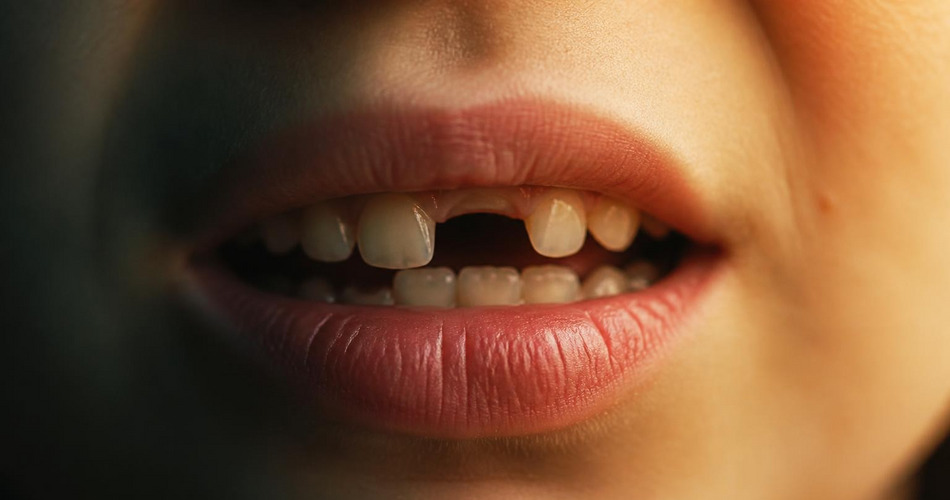
Losing teeth is widely interpreted as a symbol of vulnerability and loss of control. In many contexts, teeth represent strength, attractiveness, and the ability to communicate effectively. Their loss can therefore signify a fear of aging, a sense of helplessness, or anxiety about one’s appearance or social standing. On a deeper level, losing teeth can also symbolize a necessary shedding of the old to make way for new growth, much like the natural process of losing baby teeth to make room for adult teeth.
In dream analysis, losing teeth is one of the most common dream symbols. It is often linked to feelings of powerlessness, fear of rejection, or concerns about one’s ability to assert oneself. Some interpretations suggest that dreaming of tooth loss indicates a fear of getting older or losing one’s attractiveness. Others see it as a sign of impending change or a need to let go of something that no longer serves you.
Positive and Negative Meanings of Losing Teeth
Positive associations: Losing teeth can symbolize renewal and growth. In childhood, losing baby teeth is a natural milestone that marks the transition to a new stage of life. Symbolically, it can represent the release of outdated beliefs or habits, making space for wisdom and maturity. In some spiritual traditions, the loss of teeth is seen as a purification process, clearing away the old to allow for spiritual advancement.
Negative meanings: More commonly, losing teeth is associated with negative emotions such as anxiety, fear, and loss. It can symbolize a fear of aging, a loss of power or control, or concerns about one’s health and mortality. In dreams, it often reflects underlying stress or a sense of helplessness in waking life. Culturally, losing teeth has sometimes been viewed as an omen of bad luck or impending misfortune.
History and Origins of Losing Teeth Symbolism
The symbolism of losing teeth dates back to ancient times. In classical dream interpretation, such as in the works of Artemidorus, dreams of tooth loss were thought to predict loss of power or the death of a loved one. Sigmund Freud later explored tooth loss dreams in his psychoanalytic theory, linking them to castration anxiety and repressed sexual desires. While modern interpretations have moved away from Freud’s specific theories, the connection between tooth loss and deep-seated fears remains widely recognized.
Cultural practices surrounding lost teeth also have ancient roots. The tradition of the Tooth Fairy, for example, originated in early European folklore where a tooth would be buried or burned to protect the child from witches. In many cultures, lost baby teeth are thrown onto the roof or under the floor to ensure the growth of strong adult teeth. These customs reflect the symbolic importance of teeth as markers of growth and the transition from childhood to adulthood.
Losing Teeth Symbolism in Different Cultures
In Western cultures, losing teeth is most commonly associated with the Tooth Fairy, a benevolent figure who exchanges lost baby teeth for money or gifts. This tradition softens the anxiety of tooth loss and frames it as a positive rite of passage. In contrast, some cultures view tooth loss with superstition. In parts of Asia, it is customary to throw lost lower teeth onto the roof and upper teeth under the floor, believing that this will encourage straight growth. In some Middle Eastern traditions, lost teeth are buried to prevent them from falling into the hands of enemies who might use them for sorcery.
In many indigenous cultures, teeth are seen as symbols of strength and vitality. Losing a tooth, especially in adulthood, can be interpreted as a loss of personal power or a sign of spiritual weakness. However, in some shamanic traditions, the voluntary loss of a tooth (such as in initiation rites) symbolizes the death of the old self and the birth of a new identity.
Spiritual Meaning of Losing Teeth
Spiritually, losing teeth can represent a process of purification and release. It may symbolize the letting go of attachments, fears, or negative patterns that no longer serve one’s highest good. In some New Age interpretations, dreaming of tooth loss is seen as a sign that the dreamer is undergoing a spiritual transformation, shedding old layers to reveal a more authentic self. The pain associated with tooth loss in dreams can reflect the difficulty of personal growth and the resistance to change.
In chakra and energy work, teeth are sometimes associated with the root chakra and the throat chakra, representing grounding and communication. Losing teeth may therefore indicate an imbalance in these areas, such as feeling ungrounded or unable to express oneself truthfully. Healing the symbolism of lost teeth involves embracing change and trusting the process of renewal.
Losing Teeth in Myths and Folklore
One of the most widespread folklore figures associated with losing teeth is the Tooth Fairy. This modern myth, popularized in the early 20th century, has roots in older European traditions where a tooth fairy or tooth mouse would take the tooth and leave a gift. In some cultures, a mouse or rat is the tooth collector, as rodent teeth are seen as strong and symbolic of good luck.
In Norse mythology, the god Odin was said to have given a tooth to a child in exchange for information. In other myths, teeth are powerful objects: the dragon’s teeth sown by Cadmus in Greek mythology sprouted into armed warriors, symbolizing the generative power of teeth. Losing teeth in folklore often carries warnings about vanity or the consequences of neglecting one’s health.
Losing Teeth in Dreams
Dreams about losing teeth are among the most frequently reported dream themes worldwide. Psychologists and dream analysts have proposed various interpretations. Carl Jung viewed tooth loss dreams as symbols of initiation or transformation, while Freud linked them to repressed anxieties. In modern dream analysis, losing teeth often reflects feelings of powerlessness, fear of aging, or concerns about one’s appearance and social acceptance.
The context of the dream matters: if the teeth crumble or break, it may indicate a fear of decay or loss of vitality. If the teeth fall out painlessly, it could symbolize a natural transition or acceptance of change. Recurring dreams of tooth loss may point to unresolved anxiety or a need to address underlying stress in waking life.
Common Dream Scenarios of Losing Teeth
- Teeth crumbling or breaking: Often symbolizes a fear of decay, loss of strength, or anxiety about one’s health.
- Teeth falling out one by one: May represent a gradual loss of control or a series of changes happening in life.
- Spitting out teeth: Can indicate a desire to rid oneself of something unpleasant or to purge negative emotions.
- Teeth growing back after loss: Suggests resilience, renewal, and the ability to recover from setbacks.
- Losing teeth in a fight or accident: Reflects feelings of vulnerability or a sense of being attacked or criticized.
Losing Teeth in Superstitions and Omens
Superstitions about losing teeth vary widely. In many cultures, it is considered bad luck to throw a lost tooth away carelessly; instead, it should be disposed of properly to prevent harm. Some believe that if a lost tooth is swallowed, the child will grow strong teeth. Others think that burying a tooth ensures the growth of a healthy adult tooth.
In some traditions, losing a tooth is seen as an omen of death or misfortune, especially if the tooth is lost in a dream. However, in other contexts, it is viewed as a sign of good luck, particularly if the tooth is lost by a child, as it marks a natural milestone. The interpretation often depends on the specific circumstances and cultural background.
Frequently Asked Questions About Losing Teeth
Q: Why do I dream about losing teeth?
A: Dreaming of losing teeth is common and often reflects anxiety, fear of aging, or a sense of loss of control. It can also symbolize a need for change or personal transformation.
Q: Is losing teeth in a dream a bad omen?
A: Not necessarily. While it often indicates stress or worry, it can also be a positive sign of renewal and growth. The context of the dream and the dreamer’s feelings are important.
Q: What does losing teeth symbolize spiritually?
A: Spiritually, losing teeth can represent letting go of attachments, purification, and transformation. It may signal a period of personal growth and the shedding of old patterns.
Q: Are there cultural differences in the symbolism of losing teeth?
A: Yes, different cultures have varied interpretations. In Western cultures, the Tooth Fairy softens the experience, while in some Asian cultures, lost teeth are thrown onto the roof for good luck. In many traditions, teeth are symbols of strength and vitality.
Related Symbols for Losing Teeth
- Teeth: Symbol of strength, power, and communication.
- Tooth Fairy: Folklore figure representing the transition of childhood.
- Dreams: The broader context of dream symbolism.
- Aging: Loss of teeth as a metaphor for growing older.
- Transformation: The process of change and renewal.
- Anxiety: Emotional state often linked to tooth loss dreams.