Briefly
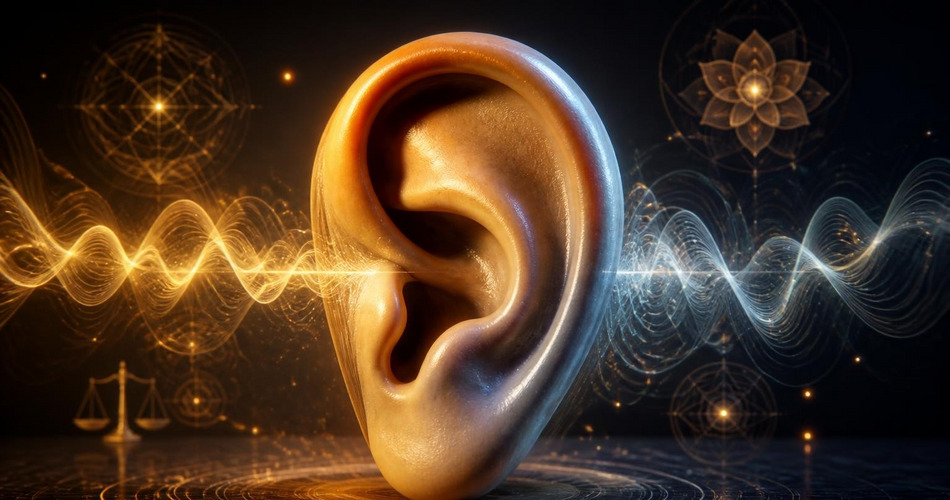
The ear is a powerful symbol of hearing, listening, and receptivity. It represents the ability to receive information, both from the external world and from inner intuition. As an organ of balance, the ear also symbolizes equilibrium and stability. Across cultures, the ear is associated with wisdom gained through attentive listening, as well as obedience and respect. Its dual nature—physical hearing and spiritual insight—makes it a multifaceted symbol in mythology, religion, and everyday life.
What Does Ear Symbolize?
The ear primarily symbolizes the sense of hearing and the act of listening. It represents openness to new ideas, guidance, and knowledge. In many traditions, the ear is linked to intuition and the ability to perceive subtle truths beyond words. The inner ear, responsible for balance, also symbolizes stability and harmony in one’s life. Additionally, ears can signify obedience (as in “to lend an ear”) and respect for authority or wisdom.
Positive and Negative Meanings of Ear
Positive associations: The ear is seen as a gateway to learning and understanding. Attentive listening fosters empathy, communication, and strong relationships. In spiritual contexts, the ear represents the ability to hear divine messages or inner guidance. Balanced hearing symbolizes mental and emotional equilibrium.
Negative meanings: On the negative side, the ear can symbolize eavesdropping, gossip, or intrusive curiosity. Being “all ears” can imply gullibility or lack of discretion. In some beliefs, large or prominent ears are associated with foolishness or stubbornness (e.g., “ears of a donkey”). Deafness or ear problems in symbolism may represent refusal to listen or spiritual blockage.
History and Origins of Ear Symbolism
The symbolism of the ear dates back to ancient civilizations. In Egyptian hieroglyphs, the ear symbol represented hearing and was used in amulets for protection and divine communication. In ancient Greece, the ear was associated with the goddess of memory, Mnemosyne, as listening was key to preserving knowledge. In many indigenous cultures, ear piercing rituals marked rites of passage and signified readiness to receive tribal wisdom. The ear’s role in balance was recognized by early physicians, linking it to physical and spiritual harmony.
Ear Symbolism in Different Cultures
In Chinese culture, the ear is considered a symbol of longevity and good fortune. Large earlobes are seen as signs of wisdom and prosperity, often depicted in statues of Buddha. In Hindu tradition, the ear is associated with the god Ganesha, whose large ears signify the ability to listen to devotees and discern truth. In many African cultures, ear piercings and adornments indicate social status, spiritual protection, or tribal affiliation. In Western culture, the ear is often linked to the concept of “the truth” — as in “to hear it from the horse’s mouth” — and to the importance of active listening in communication.
Spiritual Meaning of Ear
Spiritually, the ear represents the capacity to receive divine guidance and inner wisdom. It is seen as a channel for hearing the “still, small voice” of intuition or higher consciousness. In meditation practices, focusing on the sounds of silence or inner vibrations is believed to open the ear to subtle spiritual frequencies. The ear chakra (sometimes called the “ear center”) is associated with clairaudience — the ability to hear beyond the physical realm. In many traditions, ear candles or ear clearing rituals are used to purify the spiritual ear and enhance perception.
Ear in Myths and Folklore
In Greek mythology, King Midas was cursed with donkey ears after judging a musical contest poorly, symbolizing foolishness and lack of discernment. The story warns against arrogance and the misuse of hearing. In Norse mythology, the god Heimdallr, who guards the rainbow bridge Bifröst, has exceptionally keen hearing — he can hear grass grow — representing vigilance and the ability to perceive hidden truths. In Japanese folklore, the mimi (ear) is sometimes associated with spirits that whisper secrets or warnings. Many cultures have tales of “ear spirits” that reward those who listen carefully and punish those who ignore advice.
Ear in Dreams
Dreaming of ears often relates to how you are receiving information in your waking life. A prominent or oversized ear may indicate that you need to listen more carefully to someone or to your own intuition. Dreaming of ear pain or injury can symbolize resistance to hearing an unpleasant truth. Cleaning ears in a dream suggests a desire to clear away confusion or to prepare for important news. Ears that are covered or blocked may reflect a refusal to hear criticism or guidance.
Common Dream Scenarios
- Hearing a voice without a source: May represent an inner calling or spiritual message that requires attention.
- Ear being pierced or cut: Could symbolize a painful truth or a forced change in perspective.
- Ears growing larger: Often indicates increased awareness or the need to become more receptive.
- Earwax or dirt in ears: Suggests that you are not listening clearly or that you are ignoring important information.
- Whispering in your ear: May represent secret knowledge, gossip, or an intimate message from the subconscious.
Ear in Superstitions and Omens
- Ringing in the ears: In many cultures, a ringing ear is believed to mean someone is talking about you — the right ear for praise, the left ear for criticism.
- Itchy ear: Considered an omen that you will soon receive news or that a visitor is coming.
- Burning ears: Often thought to indicate that someone is speaking ill of you.
- Ear piercing on a specific day: Some traditions hold that piercing ears on certain days brings good luck or protects against evil spirits.
- Donkey ears: In folklore, being born with large ears was sometimes seen as a sign of stubbornness or, alternatively, of wisdom and long life.
Ear in Art and Literature
One of the most famous artistic depictions of an ear is Vincent van Gogh’s self-portrait with a bandaged ear, painted after he cut off part of his own ear in 1888. The image has become a powerful symbol of mental anguish, sacrifice, and the artist’s struggle. In literature, Edgar Allan Poe’s short story “The Tell-Tale Heart” centers on the narrator’s obsession with an old man’s “vulture eye” and the sound of his beating heart — but the story also emphasizes acute hearing as a source of paranoia and guilt. In Shakespeare’s Hamlet, the ghost reveals the murder of Hamlet’s father by pouring poison into his ear, symbolizing deceit and the corruption of truth. In Chinese poetry, the ear is often used as a metaphor for listening to nature, as in the works of Li Bai, who wrote about hearing the wind in the pines.
Frequently Asked Questions
Q: What does it mean when your ears ring spiritually?
A: Many spiritual traditions interpret ringing ears as a sign that you are receiving a message from the spiritual realm, or that your intuition is heightened. It may also indicate that someone is thinking of you.
Q: Why are ears considered symbols of wisdom?
A: Ears symbolize wisdom because listening is the primary way to acquire knowledge. In many cultures, wise elders are depicted with large ears, emphasizing their ability to hear and understand.
Q: What does it mean to dream about losing your ears?
A: Dreaming of losing ears often reflects a fear of missing important information or a feeling of being disconnected from others. It may also suggest a need to stop listening to negative influences.
Q: Is ear piercing symbolic?
A: Yes, ear piercing has been used across cultures as a rite of passage, a mark of beauty, a sign of status, or for spiritual protection. In some traditions, it is believed to enhance hearing or open the wearer to spiritual insights.
Related Symbols
- Eye — the counterpart to the ear, representing vision and perception.
- Mouth — symbol of speech and expression, complementing the ear’s receptive role.
- Shell — often associated with the ear due to its shape and the sound of the ocean, symbolizing mystery and communication.
- Head — the seat of the senses and intellect, of which the ear is a part.
- Balance scales — represent equilibrium, mirroring the ear’s function in maintaining physical balance.