Briefly
A frozen lake is water caught between two states: still, hard, and silent on the surface, while hidden currents and life continue beneath. It symbolizes emotional coldness, patience, preservation, and the risky gap between appearance and reality. As a seasonal image, it also carries the promise of thaw and renewal, making it a symbol of transition as well as danger.
What Does a Frozen Lake Symbolize?
At its core, a frozen lake joins two powerful layers of meaning. Water has long been linked to emotion, intuition, the subconscious, and the flow of life. Ice, by contrast, suggests solidity, resistance, and stillness. When the two combine, the symbol becomes a study in suspended motion: something is still present, but it has been locked into place for a time.
This is why a frozen lake often works as a symbol of emotional restraint or suppression. It can represent a person who has frozen their feelings, or a relationship that has grown cold and unresponsive. At the same time, the surface’s smoothness and clarity can stand for self-control, clarity of purpose, and the ability to stay calm under pressure.
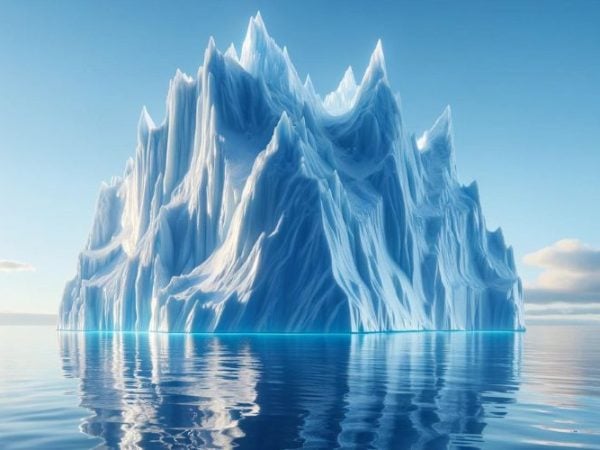
The hidden depth beneath the ice is essential to the symbol. A lake may look solid but can be dangerously thin, and what lies below is impossible to see. That makes the frozen lake an image of concealed risk and uncertainty as much as of calm and endurance.
Positive and Negative Meanings of a Frozen Lake
Positive associations: A frozen lake can symbolize stillness, safety, and preservation. The ice protects the water below and allows life to continue through harsh winter months. In human terms, it represents emotional stability, discipline, patience, and the ability to pause before acting. The frozen surface can also become a plain of possibility — a place for ice skating, winter travel, or new ventures — and its mirror-like flatness invites reflection and self-examination.
Negative meanings: The same image can suggest emotional isolation, cold-heartedness, depression, and stagnation. A person whose emotions are frozen may be unable to connect with others, and a situation described as a frozen lake often feels stuck or lifeless. Thin ice, freezing water, and unseen currents make the frozen lake a symbol of hidden traps and false security. In psychological and spiritual terms, it can represent a state in which growth has stopped and warmth has been lost.
Frozen Lake Symbolism in History and Origins
In regions with cold winters, frozen lakes have been part of daily life for thousands of years. For early communities, the arrival of ice created a new seasonal landscape: travel, fishing, and even hunting could move onto the lake, but only when the ice was judged safe. The practical signs used to test ice — its color, sound, cracks, and air pockets — became knowledge passed from one generation to the next.
This practical history shaped the symbol’s double character. Ice was respected and feared, but it was also an opportunity that extended the usable world in winter. The balance between opportunity and danger is still present in the symbol today, which may explain why frozen lakes so often appear in stories as testing spaces where a character must weigh risk against reward.
Frozen Lake Symbolism in Different Cultures
The most famous cultural image of a frozen lake is probably Dante’s Cocytus, the frozen lake in the Ninth Circle of Hell in The Divine Comedy. In Inferno, traitors are imprisoned in ice, locked into place for eternity. The frozen lake is a moral landscape: coldness stands for the loss of love, warmth, and mercy, and the inability to move mirrors the rigidity of the soul that has betrayed trust.
Northern European folklore often treats winter as a living force. Frost giants, winter spirits, and snow beings belong to this cold world, and the frozen lake appears in such settings as a place where ordinary rules do not quite apply. The danger in these stories is rarely the lake itself; it is the cold, the distance from human warmth, and the ease with which a traveler can lose judgment.
In modern Western culture, the frozen lake has become shorthand for emotional isolation. The ice queen archetype, the cold-hearted villain, and the person who needs to thaw all draw on the same core image: a once fluid interior sealed under a hard, beautiful surface.
Spiritual Meaning of a Frozen Lake
In spiritual symbolism, a frozen lake is often read as an image of the quiet night of the soul. The stillness of the ice is not emptiness; it is a form of waiting. Beneath the surface, water and life continue at a slower pace, preparing for spring. The frozen lake therefore symbolizes trust in a hidden process and a necessary period of dormancy before new growth.
This symbolism fits naturally with meditation and contemplation. A frozen lake’s mirror surface is still enough to reflect the sky, yet solid enough not to be disturbed by every breeze. For many, it represents inner peace that survives external conditions — a reminder that calm can be maintained even in a cold or isolated season of life.
In a broader sense, frozen lake meaning encourages patience. What appears lifeless is not dead; it is only waiting. As the thaw is part of the lake’s cycle, spiritual interpretations of the frozen lake remind us that everything sealed in winter will eventually flow again.
Frozen Lake in Dreams
Dreams of a frozen lake are often read as the mind’s way of showing emotional states that have become static. The frozen surface usually points to feelings that have been suppressed — kept under ice to avoid pain. The dream may appear when a person feels emotionally numb, isolated, or unable to move forward in some area of life.
The condition of the ice matters. A thick, safe frozen lake can express control and stability, while thin or cracking ice suggests a fragile emotional situation or a risky path. Walking across a frozen lake in a dream often symbolizes moving through a difficult time with caution, while falling through the ice is commonly seen as a warning about hidden emotional danger.
Common Frozen Lake Dream Scenarios
- Walking on a frozen lake: usually points to a situation that looks stable but requires careful judgment before you commit.
- Falling through the ice: often stands for emotions breaking through suddenly, or being caught unprepared by something you did not see coming.
- Skating on clear ice: can symbolize ease, enjoyment, emotional clarity, and freedom within a safe set of limits.
- Seeing the lake thaw: commonly suggests emotional release, healing, or the end of a long period of stagnation.
- Movement beneath the ice: frequently represents buried feelings, unresolved issues, or life continuing below the conscious surface.
Frozen Lake in Art and Literature
The frozen lake took on its most enduring literary form in Dante Alighieri’s Inferno, where the lowest circle of Hell is a frozen lake named Cocytus. Traitors are locked into the ice, and the cold is not just a climate but a moral condition: the complete absence of love, warmth, and mercy. Dante’s image shaped the way later generations thought of ice as a medium of punishment and moral fixedness.
Hans Christian Andersen’s fairy tale The Snow Queen uses cold and ice to show how love can be numbed. A shard of a frozen mirror lodges in the boy Kai’s eye and heart, distorting his perception and turning him cold toward everyone he once loved. While a frozen lake is not the story’s main stage, the tale made ice and winter a lasting language for emotional numbness, later picked up in cinematic versions such as Disney’s Frozen.
That film, while not literally about a lake, builds its entire visual and emotional story around frozen water. Elsa’s isolation, her fear of hurting others, and her eventual thaw all echo the classic frozen lake symbol: a surface that appears beautiful and strong, but which separates a person from warmth and connection until it finally melts.
Frequently Asked Questions About Frozen Lake Symbolism
Q: What does a frozen lake symbolize?
A: A frozen lake symbolizes emotional coldness, stillness, preservation, hidden depths, and the promise of renewal when the ice finally thaws.
Q: What does it mean to dream about a frozen lake?
A: Dreaming of a frozen lake often points to repressed emotions, a period of stagnation, or the need to move carefully through a situation that looks safe but may be fragile.
Q: Is a frozen lake a positive or negative symbol?
A: It can be both — positive as a sign of stability, patience, and quiet reflection; negative as a sign of isolation, emotional numbness, or hidden danger.
Related Symbols to Frozen Lake
- Ice: the frozen element whose hardness, transparency, and coldness form the lake’s surface.
- Lakes: the living body of water hidden beneath the frozen plane.
- Winter: the season that turns liquid into stillness and makes the frozen lake possible.
- Snow: a companion layer that can either reveal or hide the true condition of the ice.
- Mirrors: the reflective surface of a frozen lake, linked to self-examination and illusion.
- Thaw: the complementary symbol of release, warmth, and renewal after coldness.