Briefly
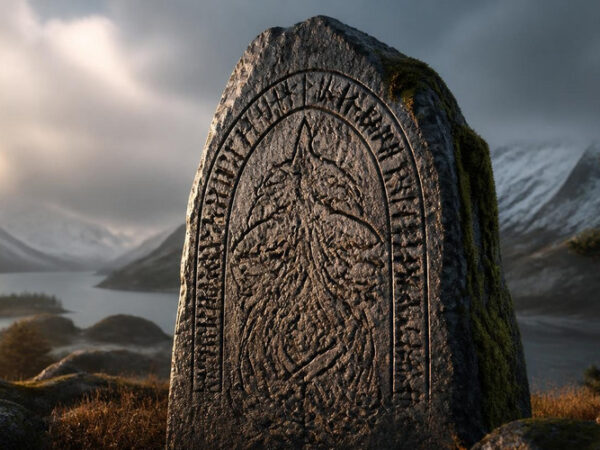
A menhir is a large, upright standing stone placed by prehistoric peoples, often alone or in groups. These ancient monuments are found across Europe, Asia, and Africa, with notable concentrations in Brittany, the British Isles, and the Mediterranean. Menhirs symbolize endurance, mystery, and a tangible link between the earthly and the celestial. Their simple, powerful form has inspired countless legends and continues to evoke awe and curiosity about the people who erected them thousands of years ago.
What Does Menhir Symbolize?
At its core, a menhir represents a deliberate mark on the landscape—a statement of human presence, intention, and belief. The upright stone is a universal symbol of stability, pointing toward the sky while firmly rooted in the earth. This duality makes menhirs embodiments of the connection between the material world and the spiritual or cosmic realm. They often served as territorial markers, burial monuments, or components of larger ceremonial complexes, each role adding layers to their symbolic meaning.
Menhirs are also associated with ancestral memory. Many were erected over graves or in sacred places, acting as permanent memorials to important individuals or communities. Their enduring presence across millennia speaks to concepts of longevity, permanence, and the human desire to leave a lasting legacy. Additionally, the alignment of many menhirs with astronomical events like solstices and equinoxes imbues them with meanings related to time, cycles, and celestial observation.
Positive and Negative Meanings
Positive associations: Menhirs are widely seen as symbols of strength, endurance, and connection to nature and the cosmos. They represent ancient wisdom, community effort (as raising such stones required coordinated labor), and a reverence for the sacred in the landscape. Their placement often indicates a harmony between human structures and natural cycles.
Negative meanings: In some folklore, menhirs are linked to ominous or supernatural forces—places where strange events occur or where spirits are trapped. Their solitary, silent presence can evoke feelings of isolation, mystery, or even menace, especially in legends that claim they were formed by petrified giants or cursed beings. They may also be associated with forgotten rites or dark rituals in popular imagination.
History and Origins of Menhir Symbolism
The word “menhir” comes from the Breton language, combining men (stone) and hir (long). These stones were erected during the Neolithic and Bronze Ages, from around 5000 BCE onward. The earliest menhirs are found in Brittany and the British Isles, but similar standing stones exist worldwide, from the obelisks of ancient Egypt to the megaliths of Ethiopia and India.
Archaeologists believe menhirs had multiple functions: as markers for burials or territories, as parts of ritual sites, and as astronomical observatories. The famous alignments at Carnac in France include thousands of menhirs arranged in rows, suggesting careful planning and a deep understanding of solar and lunar cycles. Over time, these stones became enshrined in local folklore and were reinterpreted by later cultures as relics of giants, saints, or heroes. Christian missionaries sometimes carved crosses into menhirs to repurpose them as religious symbols, blending old and new meanings.
Menhir Symbolism in Different Cultures
In Celtic regions, menhirs were often associated with the Otherworld and were seen as portals or boundary stones between the human realm and the realm of spirits. In Ireland and Scotland, standing stones are frequently linked to legends of the Tuatha Dé Danann or the Fianna. In Scandinavian contexts, rune stones—though usually inscribed—share the upright form and commemorative function of menhirs.
In the Mediterranean, the nuraghe of Sardinia and the statue-menhirs of Corsica depict human figures, blending the standing stone concept with anthropomorphic representation. These often carry carvings of weapons, clothing, or faces, suggesting they symbolized warriors, deities, or ancestors. In the Basque Country, menhirs known as harrespil are found in funerary contexts, reinforcing the connection between standing stones and the afterlife.
In Africa, the stele fields of Ethiopia (such as the stelae of Axum) are large, carved standing stones that marked royal tombs, symbolizing power and eternal life. Though different in style, they share the essential vertical, unyielding form that communicates authority and permanence across cultures.
Spiritual Meaning of Menhirs
From a spiritual perspective, menhirs are often considered power places or nodes of earth energy. Many people today visit sites like Carnac or Stonehenge to meditate or connect with what they perceive as ancient spiritual forces. The stones’ alignment with celestial bodies reinforces their role as anchors for cosmic energy, and their silent, weathered surfaces invite contemplation and a sense of timelessness.
Some modern spiritual traditions view menhirs as symbols of the axis mundi—the world axis that connects heaven, earth, and the underworld. Their upright form can represent the spine or the phallus, evoking creative life force and the union of opposites. In neopagan and druidic practices, menhirs are sometimes used as altars or focus points for rituals, though these practices are modern interpretations rather than continuations of ancient beliefs.
Menhirs in Myths and Folklore
Menhirs appear frequently in European folklore, often with supernatural origins. In Brittany, many standing stones are said to be petrified giants or saints transformed by magic. One legend tells of the menhirs of Carnac being Roman soldiers turned to stone by the wizard Merlin. In Ireland, the standing stone known as the Lia Fáil (Stone of Destiny) was believed to roar when touched by the rightful king, symbolizing its role in sacred kingship.
In Wales, the Maen Llia is a menhir associated with a story of a giant who threw it across a valley. Such tales reflect the awe these ancient stones inspired and the human need to explain their existence through memorable narratives. Many menhirs were also believed to move at certain times of the year, such as on Midsummer’s Eve, or to grant wishes if approached respectfully.
Menhirs in Dreams
Dreaming of a menhir can carry powerful symbolic messages. The standing stone in a dream often represents something that is unchanging, stable, or fundamental in the dreamer’s life. It may point to a need for grounding or a connection to one’s roots and ancestry. Because menhirs are ancient, they can also symbolize timeless wisdom or a message from the past.
Alternatively, a menhir in a dream might indicate a burden—something immovable that the dreamer feels they must confront. Its mysterious origins could reflect questions about identity or purpose. The context of the dream (e.g., solitary menhir vs. a row of stones, setting, weather) adds nuance to the interpretation.
Common Dream Scenarios Involving Menhirs
- Standing before a solitary menhir: May signify a need for solitude, introspection, or a connection with one’s inner strength.
- Walking through an alignment of menhirs (like Carnac): Could represent a journey through life stages or a path toward greater understanding.
- A menhir that moves or topples: Might indicate a major change, the collapse of long-held beliefs, or the end of a period of stability.
- Carving marks or writing on a menhir: Suggests a desire to leave a lasting impression or communicate with future generations.
- Sleeping or resting beside a menhir: Could symbolize seeking protection, refuge, or healing from ancient or natural forces.
Menhir Tattoo Meaning
Menhir tattoos are chosen by those who value permanence, strength, and a connection to ancient heritage. The simple, upright stone can represent resilience in the face of time, personal grounding, or a link to Celtic or European ancestry. Some incorporate engravings or runes to add personal or spiritual significance. The menhir tattoo is often minimalist, focusing on the stark, timeless silhouette of the stone against a natural backdrop.
In modern body art, menhir tattoos may also symbolize a reverence for nature, mystery, or the prehistoric world. They appeal to individuals drawn to earth-based spirituality or the raw simplicity of megalithic culture.
Meanings of Different Types of Menhirs
While all menhirs share the basic form of an upright stone, variations in their appearance and context can carry different emphases in meaning:
- Solitary menhirs often emphasize individuality, loneliness, or a singular landmark. They may function as boundary markers or focal points for a sacred site.
- Alignments (rows of menhirs) like those at Carnac suggest a processional route, astronomical observation, or a symbolic journey through time.
- Cup-marked menhirs (with carved depressions) are associated with fertility, water, or ritual offerings. The cups may represent stars, maps, or human touch.
- Statue-menhirs (carved with human features) clearly represent a person—often a warrior or deity—and symbolize identity, status, or commemoration.
- Recumbent stones (fallen menhirs) can symbolize decline, lost knowledge, or the passage of eras.
Frequently Asked Questions About Menhirs
Q: What does a menhir symbolize?
A: A menhir symbolizes endurance, connection between earth and sky, ancestral memory, and often a sacred or territorial marker. Its upright form represents stability and a link to the cosmos.
Q: How were menhirs built?
A: Prehistoric peoples erected menhirs using simple tools, ropes, and wooden levers. Stones were often quarried nearby and transported with great effort, sometimes over long distances, requiring coordinated community labor.
Q: Are menhirs only found in Europe?
A: No, similar standing stones exist on every inhabited continent. Examples include the obelisks of Egypt, the stelae of Ethiopia, the dolmens of Korea, and the menhirs of India, though styles and purposes vary by region.
Q: What is the difference between a menhir and a dolmen?
A: A menhir is a single upright standing stone, while a dolmen is a megalithic tomb consisting of a large horizontal slab (capstone) supported by vertical stones. Dolmens are primarily burial chambers, whereas menhirs had a wider range of possible functions.
Q: Do menhirs have any astronomical significance?
A: Many menhirs and megalithic alignments are oriented toward sunrise, sunset, or other celestial events on solstices or equinoxes, indicating their use as calendars or for ritual timing.
Related Symbols
- Dolmen – Megalithic tomb structure, often associated with menhirs in the same landscape.
- Stone circle – Circular arrangement of standing stones, such as Stonehenge, sharing symbolic themes of community and celestial observation.
- Obelisk – Tall, four-sided stone pillar from ancient Egypt, symbolizing power and connection to the sun god Ra.
- Rune stone – Scandinavian standing stone with inscriptions, commemorating people or events.
- Cross stone – Menhir later carved with a Christian cross, symbolizing the blending of pagan and Christian traditions.