Briefly
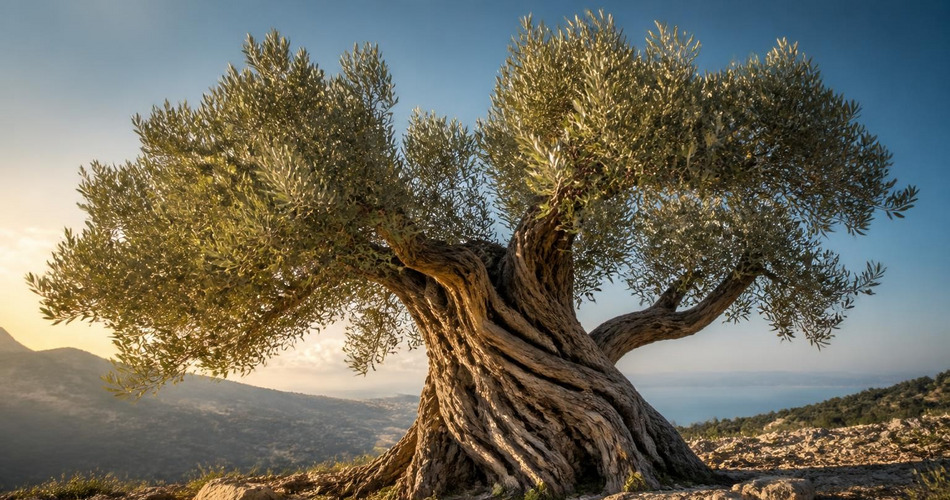
The olive tree is one of the most enduring symbols in human history, representing peace, wisdom, endurance, and renewal. Its long lifespan, silvery leaves, and nourishing fruit have made it a powerful emblem across Mediterranean cultures, from ancient Greece and Rome to Judaism, Christianity, and Islam. The olive branch, in particular, is universally recognized as a sign of peace and reconciliation, while the tree itself embodies resilience, prosperity, and a deep connection to the land.
What Does the Olive Tree Symbolize?
The olive tree symbolizes peace above all, largely due to the biblical story of Noah’s dove returning with an olive leaf, signaling the end of the flood. It also represents wisdom — the ancient Greek goddess Athena gave the olive tree to Athens as a gift, and it became associated with knowledge and civilization. Its ability to thrive in rocky, dry soil and live for centuries makes it a symbol of endurance and resilience. The fruit and oil provide sustenance and light, linking the tree to abundance, purity, and spiritual illumination. In many traditions, the olive tree also signifies fertility and renewal, as it can regenerate even after being cut down or burned.
Positive and Negative Meanings
Positive associations: The olive tree is overwhelmingly positive in symbolism. It stands for peace, harmony, and reconciliation — the olive branch is a universal peace offering. It also represents wisdom, knowledge, and divine blessing. In agriculture, it symbolizes prosperity, abundance, and the fruits of hard work. Its long life makes it a symbol of endurance, stability, and family heritage. The oil from olives is used in anointing and healing, adding layers of purity, sanctity, and spiritual light.
Negative meanings: Negative connotations are rare but exist in contexts where the olive tree is associated with exile or loss. For example, in some ancient Greek tragedies, the uprooting or destruction of an olive tree could symbolize the fall of a city or the end of a dynasty. In modern times, the olive tree can also represent political conflict in regions like the Middle East, where ancient olive groves are sometimes destroyed in disputes over land. Additionally, the olive tree’s slow growth can symbolize patience tested or frustration for farmers awaiting harvest.
History and Origins of Olive Tree Symbolism
The olive tree (Olea europaea) has been cultivated in the Mediterranean basin for over 6,000 years. Its symbolic importance began in the ancient Near East. In Mesopotamia, olive oil was used for anointing kings and priests, linking the tree to divine favor. The ancient Egyptians used olive oil in religious rituals and as a cosmetic, associating it with life and purity.
In ancient Greece, the olive tree was sacred to Athena, the goddess of wisdom. According to myth, Athena and Poseidon competed for patronage of Athens; Athena won by producing the first olive tree, which provided wood, oil, and food. The olive branch became a symbol of victory in the Olympic Games, and wreaths of olive leaves were awarded to champions. The Romans adopted these associations, using olive branches in peace treaties and as symbols of prosperity. The olive tree’s symbolism was further cemented in the Hebrew Bible and the New Testament, where it represents peace, divine blessing, and the nation of Israel.
Olive Tree Symbolism in Different Cultures
In Greek culture, the olive tree was a gift from Athena and a symbol of civilization, peace, and prosperity. Olive wreaths crowned Olympic victors and decorated public buildings. The tree was also sacred to Zeus and used in purification rites.
In Roman culture, the olive branch was a key emblem of Pax Romana (Roman peace). Roman generals carried olive branches when seeking peace, and the goddess Pax was often depicted holding an olive branch. Olive oil was central to Roman cuisine, medicine, and religious offerings.
In Jewish tradition, the olive tree symbolizes Israel and its covenant with God. The olive branch appears in the story of Noah, and olive oil was used to anoint kings and priests. The menorah in the Temple was fueled by pure olive oil, representing divine light and wisdom.
In Christianity, the olive tree represents peace, Christ’s suffering (the Garden of Gethsemane, meaning «oil press»), and the anointing of believers. The olive branch is also a symbol of the Holy Spirit and reconciliation with God.
In Islamic culture, the olive tree is described as a blessed tree in the Quran (Surah An-Nur, 24:35), symbolizing divine light, goodness, and abundance. Olive oil is used in cooking, medicine, and religious practices.
Spiritual Meaning of the Olive Tree
Spiritually, the olive tree represents inner peace and divine connection. Its oil is a metaphor for spiritual illumination — the light of the soul. The tree’s ability to thrive in harsh conditions symbolizes spiritual endurance and faith through trials. In many traditions, the olive tree is a symbol of wisdom gained through age and experience. Its fruit, which must be pressed to yield oil, can represent the transformation of suffering into spiritual richness. The olive tree also signifies purity, as olive oil was used for anointing and cleansing in sacred rites.
Olive Tree in Myths and Folklore
The most famous myth is the contest between Athena and Poseidon for Athens. Poseidon struck the ground with his trident, producing a salt spring; Athena created an olive tree, which was deemed more useful, so she became the city’s patron. This myth established the olive tree as a symbol of wisdom, peace, and civilization.
In the Hebrew Bible, the dove returning to Noah’s ark with an olive leaf (Genesis 8:11) is the foundational story for the olive branch as a symbol of peace and new beginnings. In Greek folklore, olive trees were believed to be protected by the gods; cutting one down could bring bad luck. In some Mediterranean traditions, planting an olive tree near a home was thought to bring protection and prosperity. The olive tree also appears in the story of Hercules, who used an olive club, linking the tree to strength.
Olive Tree in Dreams
Dreaming of an olive tree generally carries positive meanings. It often symbolizes peace in one’s life, reconciliation with someone, or spiritual growth. The condition of the tree matters: a healthy, fruit-bearing olive tree suggests abundance and stability, while a withered or broken tree may indicate loss of peace or a need for patience. Picking olives in a dream can represent harvesting the rewards of hard work. An olive branch offered in a dream may signal an opportunity to make peace or heal a relationship.
Common Olive Tree Dream Scenarios
- Seeing a lush olive tree: Represents prosperity, good health, and harmonious relationships.
- Picking olives: Symbolizes reaping the benefits of your efforts; a time of reward and satisfaction.
- Receiving an olive branch: A sign that someone is offering peace or forgiveness; an invitation to resolve a conflict.
- A withered or dead olive tree: May indicate a period of struggle, loss of peace, or a need to nurture neglected aspects of life.
- Planting an olive tree: Suggests laying foundations for future peace, wisdom, or prosperity; a long-term investment in relationships or personal growth.
Olive Tree in Superstitions and Omens
In many Mediterranean cultures, olive trees are considered lucky and protective. It is said that planting an olive tree near your home brings peace and prosperity to the household. An olive branch hung over a door is believed to ward off evil spirits and bring good luck. In some traditions, finding an olive leaf in your path is an omen of reconciliation or a peaceful resolution to a problem. Conversely, cutting down an ancient olive tree is thought to bring bad luck or divine displeasure, as the trees are seen as sacred.
Olive Tree in Art and Literature
The olive tree appears in numerous works of art and literature. In the Bible, the olive branch is central to the story of Noah (Genesis 8:11), which has been depicted by artists such as Michelangelo on the Sistine Chapel ceiling and by Gustave Doré in his engravings. In Greek literature, Homer’s Odyssey describes Odysseus building his marriage bed from an olive tree, symbolizing the rootedness of his union with Penelope.
In painting, Vincent van Gogh created several works featuring olive trees, such as Olive Trees with Yellow Sky and Sun (1889) and The Olive Grove (1889). For van Gogh, the olive tree represented life, resilience, and the cycle of nature, often painted during his stay at the asylum in Saint-Rémy. In modern literature, the olive tree appears in works like The Olive Tree by Aldous Huxley, where it symbolizes continuity and the human connection to the land. In film, the olive tree is a recurring motif in movies set in the Mediterranean, often representing family heritage and peace.
Olive Tree Tattoo Meaning
An olive tree tattoo typically symbolizes peace, strength, and endurance. It can represent a commitment to non-violence, a personal journey of reconciliation, or a connection to one’s Mediterranean heritage. The olive branch tattoo is a classic symbol of peace, often combined with a dove. A full olive tree tattoo may signify family roots, resilience through hardship, or a desire for wisdom. The design can vary from realistic to minimalist, with leaves and fruit adding layers of meaning about abundance and growth.
Frequently Asked Questions about Olive Tree Symbolism
Q: What does the olive branch symbolize?
A: The olive branch is a universal symbol of peace, reconciliation, and goodwill. Its origin comes from the biblical story of Noah’s dove returning with an olive leaf.
Q: Why is the olive tree a symbol of wisdom?
A: In Greek mythology, Athena gave the olive tree to Athens, linking it to wisdom and civilization. Its long life and ability to produce fruit for centuries also associate it with accumulated knowledge.
Q: What does an olive tree represent in the Bible?
A: In the Bible, the olive tree symbolizes peace (Noah’s dove), divine blessing (Deuteronomy 8:8), and the people of Israel (Romans 11). Olive oil is used for anointing, representing the Holy Spirit.
Q: Is the olive tree a symbol of hope?
A: Yes, the olive tree often symbolizes hope and renewal, especially in the context of new beginnings after a disaster, as seen in the Noah story.
Q: What does an olive tree tattoo mean?
A: An olive tree tattoo generally represents peace, strength, endurance, family roots, and a connection to nature or Mediterranean culture.
Related Symbols
- Dove — often paired with the olive branch as a symbol of peace
- Athena — Greek goddess associated with the olive tree and wisdom
- Olive oil — represents purity, anointing, and spiritual light
- Laurel wreath — similar to the olive wreath as a symbol of victory and honor
- Tree of Life — shares themes of endurance, wisdom, and connection to the divine