Briefly
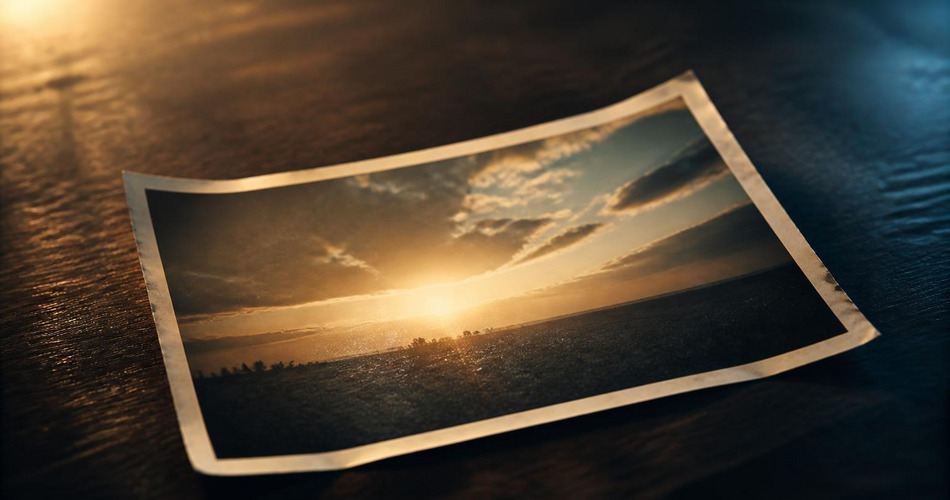
A photograph is far more than a printed image; it is a symbol of memory, truth, and the passage of time. Since its invention in the 19th century, photography has carried meanings of documentation and proof, while also evoking nostalgia and loss. Photographs can preserve a moment forever, yet they also remind us of what is gone. This dual nature gives the photograph its powerful place in personal and collective symbolism.
The Symbolism of Photographs
At its core, the photograph symbolizes a captured moment. It represents the human desire to hold onto time and to defeat forgetting. A photograph is often seen as a truthful record, a visual proof that something existed or happened. It also symbolizes identity, as portraits and family photos define how we see ourselves and how we are seen by others. In this way, photographs act as bridges between past and present, self and image.
Positive and Negative Meanings of Photographs
Positively, photographs symbolize connection, memory, and love. They allow people to keep loved ones close, to remember important events, and to share experiences across distance. Negatively, photographs can symbolize deception, since images can be staged or edited. They can also become symbols of fixation, keeping people trapped in the past. The same object that preserves joy can also cause grief when it shows what has been lost.
History and Origins of Photograph Symbolism
The first permanent photograph was created in 1826 by Joseph Nicéphore Niépce, and the medium was publicly introduced in 1839 through the work of Louis Daguerre and William Henry Fox Talbot. From the beginning, photographs were seen as a form of “the pencil of nature” — a direct imprint of reality. Early portraits were often posed and required long exposure times, which gave them a solemn, formal character. As photography became more accessible, it changed how people remembered the dead, celebrated life events, and recorded history. The symbolism of the photograph as a truthful witness grew from this early association with science and realism.
Spiritual Meaning of Photographs
In spiritual terms, photographs are often connected to the idea of the soul. Many cultures have believed that a photograph captures a part of a person’s essence. This belief is not universal, but it appears in various forms around the world. For some, a photograph is a way to keep a spirit present after death, serving as a focus for memory and prayer. For others, the photograph represents the impermanence of life, a reminder that all physical forms eventually fade. The spiritual meaning of a photograph thus oscillates between presence and absence, eternal and fleeting.
Photographs in Myths and Folklore
The most widespread folklore about photographs is the belief that they can steal a person’s soul. This superstition has been documented among many indigenous peoples and traditional societies, who feared that a camera could trap the spirit. In some cultures, people still avoid being photographed for this reason. Another common motif is the “cursed photograph” — an image that brings bad luck or reveals a hidden truth. These stories reflect the power people have always assigned to images, a power that predates photography itself and extends back to painted portraits and carved effigies.
Meanings of Different Types of Photographs
Different kinds of photographs carry their own symbolic weight. Here are some common types:
- Portraits symbolize identity, status, and self-presentation.
- Family photographs represent belonging, lineage, and shared history.
- Landscape photographs symbolize the human relationship with nature and place.
- Posthumous photographs — images taken after death — symbolize grief, remembrance, and the refusal to let go.
- Photojournalism carries meanings of truth, evidence, and historical witness.
- Selfies reflect contemporary concerns with identity, performance, and social approval.
Photographs in Dreams
Dreaming of photographs often points to memory and the past. A photo in a dream may suggest that the dreamer is holding onto something that no longer exists, or it may be a call to remember an important lesson. Seeing a torn or faded photograph can symbolize a broken memory or a relationship that has faded. Taking a photograph in a dream may represent a desire to capture a feeling or moment before it slips away. As with all dream symbols, the meaning depends on the context and the dreamer’s personal associations.
Photographs in Art and Literature
Photographs have played a central role in modern art and literature. Artists use photography to explore questions of reality, perception, and identity. In literature, photographs often appear as devices that trigger memory or reveal hidden truths. For example, a character might find an old photograph that changes their understanding of the past. The photograph in art and literature is rarely neutral; it is a symbol of how images can both clarify and complicate our sense of reality. The famous novel The Picture of Dorian Gray uses a painting rather than a photograph, but it captures the same anxiety about images and the self.
Photographs and Related Symbols
The photograph is closely related to other symbols of memory and representation. These include the mirror, which reflects but does not preserve; the portrait, which is a hand-made interpretation of a face; and the frame, which isolates a moment from the flow of time. The hourglass and the skull are older symbols of mortality that share the photograph’s reminder of impermanence. Together, these symbols form a family of meanings around time, identity, and the human desire to leave a trace.