Briefly
The piano is a powerful symbol of harmony, creativity, and emotional expression. Its unique combination of black and white keys represents duality—the balance between light and dark, joy and sorrow, and a wide range of human emotions. As both a solo and accompaniment instrument, the piano also symbolizes self-reflection, sophistication, and the pursuit of artistic mastery.
What Does the Piano Symbolize?
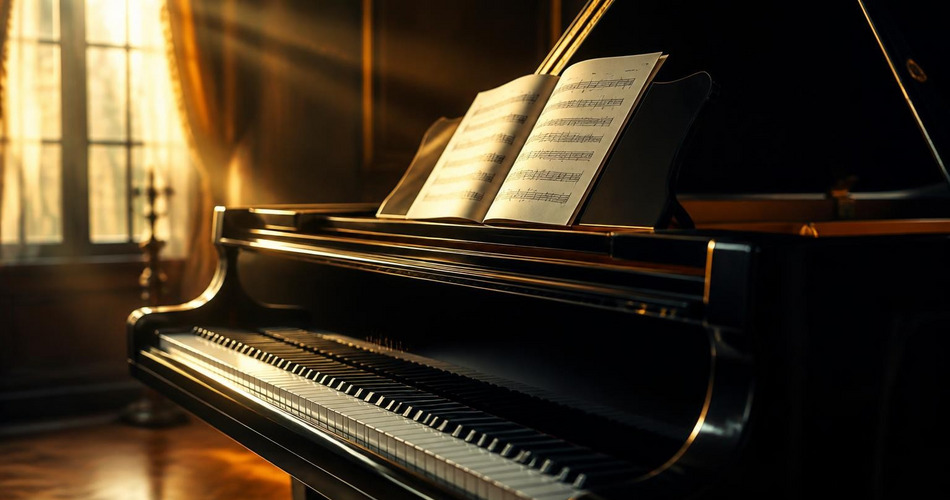
The piano symbolizes harmony—both in the musical sense of chords and melodies blending, and in the broader sense of balance and order in life. Its eighty-eight keys span the full range of musical notes, making it a symbol of completeness and the potential for extensive expression. The piano is also a tool for creativity, representing the ability to bring ideas and emotions to life through sound. In literature and film, the piano often appears as a symbol of refinement, cultural achievement, and emotional depth. It can also represent solitude and introspection, as the pianist often performs alone, in a private dialogue with the instrument.
Positive and Negative Meanings
Positive associations: The piano is widely seen as a symbol of beauty, elegance, and creative power. It evokes the joy of music-making, the discipline of practice, and the emotional release that comes with playing. In many cultures, owning or playing a piano suggests a commitment to art and a refined sensibility.
Negative meanings: Conversely, the piano can represent loneliness, the pressure to perform, or the burden of unfulfilled potential. An out-of-tune or neglected piano symbolizes decay, lost opportunity, or a once-vibrant life now silenced. In some contexts, the piano’s large, immovable presence inside a home can signify emotional weight or a past that cannot be escaped.
History and Origins of Piano Symbolism
The piano was invented around 1700 by Bartolomeo Cristofori in Italy, and was originally called the “pianoforte” because it could play both soft (piano) and loud (forte) sounds. This dynamic range was revolutionary and gave the instrument its symbolic association with emotional nuance. Unlike earlier keyboard instruments like the harpsichord, the piano allowed musicians to control volume and expression directly through touch, making it a symbol of personal expression and sensitivity. During the 19th century, the piano became a centrepiece of middle- and upper-class homes, representing cultural aspiration, education, and domestic harmony. Its symbolism grew to encompass not only music but also the ideals of the Romantic era: individuality, passion, and the depth of inner feeling.
Piano Symbolism in Different Cultures
In Western culture, the piano is deeply tied to classical music and the works of composers like Mozart, Beethoven, and Chopin, symbolizing artistic achievement and emotional profundity. In jazz and blues, the piano takes on a more improvisational, soulful role, representing freedom and spontaneity. In East Asian cultures, especially Japan and South Korea, the piano is often a symbol of discipline and educational success, with many children learning to play as part of their upbringing. In modern popular culture, the piano appears in music videos, films, and social media as a marker of romanticism, melancholy, or creative genius.
Spiritual Meaning of the Piano
Spiritually, the piano can represent the balance between opposing forces—the black and white keys together playing one harmonious whole. This echoes the concept of yin and yang, where opposing forces are complementary and necessary. The act of playing the piano can be seen as a form of meditation, requiring focus, presence, and the letting go of distracting thoughts. The sound of the piano is often used in healing and relaxation settings because its tones can soothe the mind and evoke a sense of peace. Some traditions view the piano as a bridge between the physical and spiritual realms, its vibrations connecting the player to higher states of consciousness.
Piano in Myths and Folklore
While the piano is too recent an invention to appear in classical mythology, it features in modern folklore and legends. One popular story is the “ghost piano” legend, in which a piano in an abandoned house is said to play by itself, often at midnight, and is believed to be the spirit of a deceased musician. In some cultures, it is considered bad luck to have a piano that is out of tune, as it is thought to invite negative energy into the home. These tales reflect the piano’s power to evoke both beauty and mystery.
Piano in Dreams
Dreaming of a piano often reflects one’s emotional state and desire for expression. It can indicate a need for harmony in waking life or a longing to communicate feelings that are difficult to put into words. The condition of the piano in the dream—whether it is in tune, broken, or played well—adds layers of meaning.
Common dream scenarios:
- Playing a piano beautifully: Symbolizes confidence, mastery, and emotional fulfillment. You are in control of your feelings and expressing them clearly.
- Struggling to play or hitting wrong notes: Indicates frustration, self-doubt, or a fear of being out of step with your surroundings.
- Seeing a broken or silent piano: Represents suppressed emotions, unresolved grief, or a creative block that needs attention.
- Finding a piano in an unexpected place: Suggests a hidden talent or a new opportunity for expression that you have not yet explored.
- Hearing piano music but not seeing the pianist: May point to a mysterious influence in your life—perhaps intuition or a spiritual guide.
Piano in Art and Literature
The piano has appeared in countless works of art and literature as a symbol of emotion, class, and creativity. In literature, Jane Austen’s novels often feature piano playing as a sign of a young woman’s accomplishments and marriageability. In F. Scott Fitzgerald’s The Great Gatsby, the piano represents both the glamour and the hollow emptiness of the wealthy elite. The 1993 film The Piano by Jane Campion uses the instrument as the central metaphor for its mute protagonist’s inner world, passion, and liberation. In visual art, Pierre-Auguste Renoir’s painting Young Girls at the Piano (1892) captures the intimate domestic setting and the nurturing of artistic talent. The piano also plays a role in modern music culture, appearing in the work of artists like Nick Cave, whose songs often feature piano as a symbol of love and loss.
Piano Tattoo Meaning
Piano tattoos are chosen by musicians and music lovers to symbolize their lifelong connection to music. A piano keyboard tattoo often represents the scale of emotions or the journey of life, with each key marking a different experience. Grand piano tattoos can signify elegance and a deep passion for classical or jazz music. Some people combine piano imagery with flowers, notes, or hearts to express love, creativity, or remembrance of a lost loved one who played.
Meanings of Different Types or Variations of Pianos
The type of piano can affect its symbolic meaning:
- Grand piano: Symbolizes grandeur, prestige, and the height of artistic achievement. Often associated with concert halls and wealthy homes.
- Upright piano: Represents practicality, family, and approachability. Common in schools, churches, and modest homes.
- Digital piano: Reflects modernity, versatility, and accessibility. It can symbolize the blending of tradition with technology.
- Player piano (self-playing): Suggests automation, nostalgia, or a sense of the past repeating. It can also symbolize the idea that music exists independently of the performer.
- Toy piano: Represents innocence, childhood, and the early stages of artistic development.
Frequently Asked Questions
Q: What does a piano in a dream mean?
A: Dreaming of a piano often relates to emotional expression and harmony. Playing well suggests confidence, while a broken piano may indicate suppressed feelings.
Q: Is a piano considered a romantic symbol?
A: Yes, the piano is frequently used in romantic contexts due to its ability to convey passion, tenderness, and the depth of emotion through music.
Q: What does a piano tattoo symbolize?
A: A piano tattoo typically symbolizes a deep connection to music, creativity, and the emotional range of life. It is popular among musicians and those who find solace in music.
Related Symbols
- Violin – Like the piano, the violin is a classical instrument symbolizing emotion and artistry.
- Keyboard – The keyboard itself represents the full spectrum of musical expression.
- Musical notes – They symbolize the universal language of music and emotion.
- Harp – A string instrument associated with heavenly music and spiritual peace.
- Orchestra – Represents harmony, collaboration, and the blending of diverse elements.