
Briefly
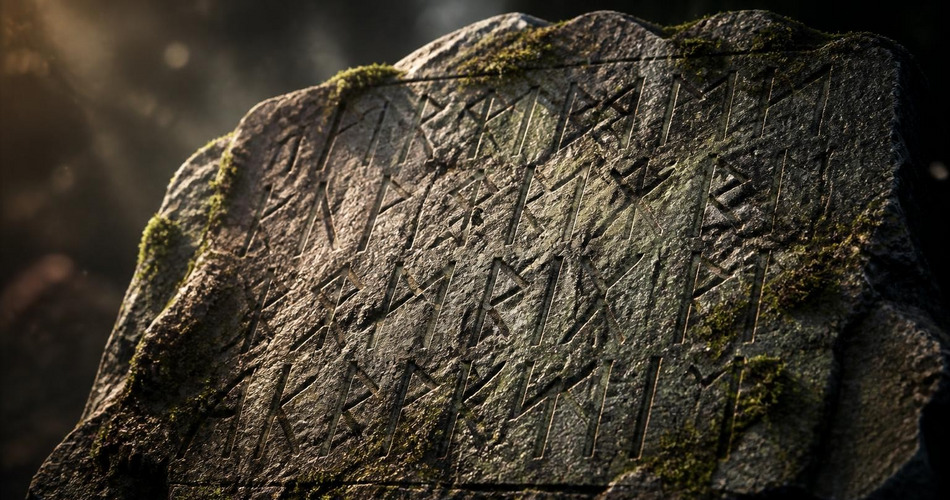
Runes are the letters of ancient Germanic alphabets, used not only for writing but also for divination, magic, and conveying deeper symbolic meanings. Each rune carries a core concept—such as strength, journey, or transformation—making the runic system a rich symbolic language. Rooted in Norse mythology and Germanic traditions, runes continue to captivate people today as tools for personal insight and cultural heritage.
What Does Rune Symbolize?
At its most basic, a rune symbolizes a sound, but collectively the runic alphabet (Futhark) represents a symbolic system where each character embodies a concept or natural force. For example, the rune Ansuz is associated with communication and divine inspiration, while Raido stands for journey and movement. Runes symbolize the bridge between the mundane and the sacred, often seen as a gift from the gods to humanity.
Because runes were carved into stone, wood, and metal, they also symbolize endurance and permanence. Their angular shapes reflect the practical constraints of carving, but also lend them an air of mystery and ancient wisdom. In modern contexts, runes symbolize heritage, identity, and a connection to pre-Christian European spirituality.
Positive and Negative Meanings
Positive associations: Runes are widely regarded as tools for guidance, protection, and personal growth. They offer insight into one’s path, help in decision-making, and are used in meditation to focus intention. Protective runes like Algiz (defense) and Fehu (wealth) are invoked for safety and prosperity.
Negative meanings: The same power attributed to runes can be turned toward harmful ends. In historical and folkloric accounts, runes were sometimes used in curses or to bind enemies. Misinterpreted runes or careless use in divination can lead to confusion or fear. Additionally, runic symbols have been misappropriated by extremist groups, giving some runes negative contemporary associations.
History and Origins of Rune Symbolism
The earliest known runic inscriptions date from around the 2nd century CE, found on artifacts such as the Vimose comb and the Einang stone. The script is thought to derive from the Old Italic alphabets, adapted by Germanic peoples. The Elder Futhark, the oldest form, contains 24 runes arranged in three groups called ættir. Each rune had a name that hinted at its symbolic meaning, such as *Fehu (cattle/wealth) or *Uruz (aurochs/strength).
Rune carvers often imbued their work with magical intent. The Norse sagas describe runes used for healing, love spells, and victory in battle. With the spread of Christianity, runic writing gradually declined, but symbolic use persisted in folk magic until modern times. The 19th-century revival of interest in runes among occultists and national romanticists gave rise to new interpretations, especially the use of runes in divination (rune casting).
Rune Symbolism in Different Cultures
Runes are primarily associated with the Norse and Germanic cultures of Scandinavia and Northern Europe. In Viking Age society, runes were used for everyday messages and monumental inscriptions—thousands of runestones survive across Sweden, Norway, and Denmark. The runestone tradition blended commemoration with symbolism: stones were raised to honor the dead, record achievements, and sometimes curse enemies.
Beyond Scandinavia, Anglo-Saxon England and continental Germanic tribes developed their own runic alphabets, such as the Anglo-Saxon Futhorc. These variants added new runes for sounds not present in Old Norse, and the symbolic meanings adapted to local beliefs. In modern neopaganism and Heathenry, runes are central as a spiritual tool for meditation, ritual, and connecting with ancestral traditions.
Spiritual Meaning of Runes
In spiritual practice, runes are seen as keys to hidden knowledge and channels for divine energy. Many practitioners perform rune casting—drawing or throwing runes to answer questions or gain insight into a situation. Each rune’s meaning is meditated upon, often in combination with others, to form a narrative or guidance.
The runes are also used in galdr, a form of chant or incantation where the rune name is sung to invoke its power. Binding runes—symbols created by layering multiple runes—are crafted for specific purposes such as protection, love, or success. This spiritual use draws on the myth of Odin’s self-sacrifice to gain knowledge of the runes, as described in the Hávamál.
Runes in Myths and Folklore
In Norse mythology, runes are deeply tied to the god Odin. According to the poem “Hávamál” from the Poetic Edda, Odin hung on Yggdrasil, the World Tree, for nine nights, wounded by his own spear, to win the runes. This sacrifice granted him their wisdom and magical power. Runes subsequently appear in many myths: the hero Sigurd learned runes to break curses and gain treasure, and the giantess Skadi used runes for protection.
Folkloric traditions from Scandinavia include the use of rune staves (stavkirk) and rune calendars to predict weather and agricultural events. In Iceland, runic magic was recorded in grimoires like the Galdrabók. Legends speak of rune masters who could make runes appear on their nails or cause ships to sink by carving certain symbols.
Runes in Dreams
Dreaming of runes is often interpreted as a call to pay attention to hidden messages or inner wisdom. A single rune appearing in a dream may highlight a specific area of life needing focus—for instance, the rune Perthro suggests mystery and fate, while Hagalaz indicates disruption and transformation. The context and the dreamer’s emotional response are key to interpretation.
Some believe that rune dreams occur during times of significant change or spiritual awakening. Because runes are ancient symbols, they can also represent ancestral connections or a need to explore one’s heritage. Keeping a dream journal of rune symbols may reveal patterns over time.
Common Dream Scenarios
- Seeing a specific rune: Look up its traditional meaning—it may offer guidance about a current challenge or decision.
- Carving runes: Suggests a desire to manifest something in waking life, or the act of setting intentions.
- Runes appearing in a row: Could indicate a sequence of events or a message needing to be read in order.
- Burnt or broken runes: May warn of obstacles, endings, or the need to release something.
Runes in Superstitions and Omens
In historical Scandinavia, runes were sometimes carved on tools, weapons, and doorposts for protection. A common superstition held that carving the rune Ægishjálmur (Helm of Awe) on one’s forehead would make enemies powerless. Runes could also be used to cast curses: a rune stick inscribed with malicious intent would be placed on an enemy’s property.
Finding a runestone or rune-inscribed object by chance could be considered an omen—perhaps a message from ancestors or spirits. In modern folklore, carrying a rune amulet is thought to bring luck or ward off harm. However, misuse of runes, especially inscribing them carelessly, is believed to invite misfortune.
Runes in Art and Literature
Runes have a strong literary presence. J.R.R. Tolkien, a philologist, used runes extensively in his Middle-earth works: the maps in The Hobbit include runic script, and the dwarves’ Moon-runes are a plot device. In The Lord of the Rings, the inscription on the One Ring is written in the Black Speech but transcribed with runic letters. Tolkien’s own invented Cirth script was influenced by runes.
In Norse literature, runes appear in the Poetic Edda and the Prose Edda, where they are linked to magic and fate. The Voluspá describes the world’s creation and destruction partly through runic motifs. Modern authors like Neil Gaiman (in American Gods) and Rick Riordan (in the Magnus Chase series) incorporate rune magic and symbolism into their narratives.
Rune Tattoo Meaning
Rune tattoos are popular for their aesthetic and symbolic weight. People choose runic designs to express personal values like strength (Uruz), protection (Algiz), or transformation (Dagaz). A single rune or a bind rune (combination) can serve as a talisman carried permanently on the skin. The Norse revival and Viking fandom have increased interest in rune tattoos, but wearers should research meanings carefully to avoid unintended symbolism.
Meanings of Different Types and Variations
While the Elder Futhark is the most common for modern use, different runic systems carry distinct symbolic nuances. The Younger Futhark, used in the Viking Age, has only 16 runes; its simplified forms sometimes changed meaning (e.g., the rune Úr shifted from “aurochs” to “drizzle/slag”). The Anglo-Saxon Futhorc added runes like Ēðel (homeland) and Gār (spear). Each system reflects the culture and language of its time, so the same shape may have different meanings across traditions.
Frequently Asked Questions
Q: Are runes only used for magic?
A: No. Runes were primarily an alphabet used for everyday communication and record-keeping. Their magical use was a secondary, though important, aspect in Norse culture.
Q: How many runes are in the Elder Futhark?
A: The Elder Futhark contains 24 runes, arranged in three groups of eight called ættir.
Q: Can anyone use runes for divination?
A: Yes. While traditional knowledge helps, modern rune reading is accessible to anyone willing to study the meanings and trust their intuition.
Q: Is it dangerous to get a rune tattoo?
A: Rune tattoos are generally safe, but it’s important to choose a symbol you understand and respect. Some runes have been co-opted by extremist groups, so researching context is wise.
Related Symbols
- Ogham – An early medieval alphabet used in Ireland and Britain, similarly used for inscriptions and divination.
- Vegvísir – An Icelandic magical stave, often grouped with runes in modern spirituality.
- Ægishjálmur (Helm of Awe) – A protective symbol often created with bind runes.
- Bind Rune – A combination of two or more runes for a specific magical purpose.
- Galdr – The chanting or singing of rune names in ritual magic.