Briefly
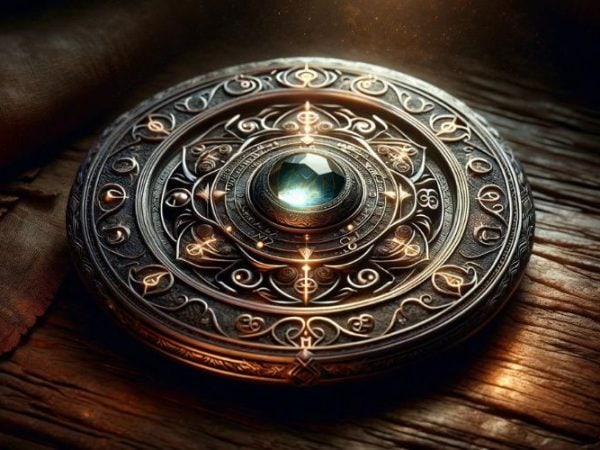
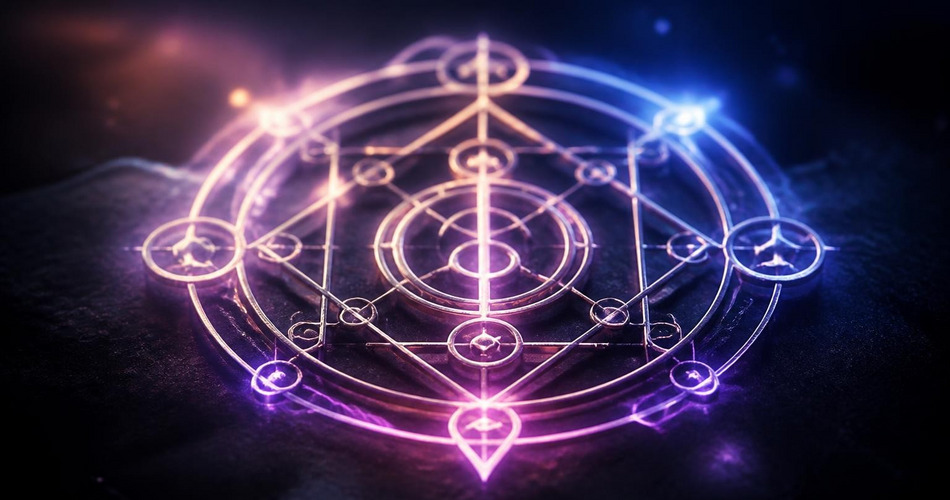
A sigil is a symbolic mark or design created for a specific magical purpose, often to manifest an intention, invoke a spirit, or provide protection. Rooted in Western esotericism and ceremonial magic, sigils combine letters, numbers, and geometric shapes into a unique emblem that concentrates the practitioner’s will. They are used in traditions ranging from medieval grimoires to modern chaos magic, and their meanings can be both empowering and cautionary.
What Does a Sigil Symbolize?
A sigil symbolizes a focused intention or desire made tangible through a visual symbol. It serves as a conduit for the practitioner’s will, channeling energy toward a specific goal such as healing, protection, love, or success. The process of creating a sigil—often by reducing a statement of intent into a unique glyph—is itself a ritual act that imprints the symbol with meaning. Sigils are also seen as keys to unlock subconscious or spiritual forces, bridging the material and the metaphysical.
Positive and Negative Meanings of Sigils
Positive associations: Sigils are most commonly used for constructive purposes: manifesting abundance, enhancing creativity, attracting love, and providing spiritual protection. They can help focus the mind, reinforce personal goals, and serve as a reminder of one’s inner power. In many traditions, a well-crafted sigil is a tool for self-empowerment and positive transformation.
Negative meanings: Because sigils are neutral by nature, their meaning depends on the intent behind them. They can be used for harmful or manipulative ends, such as binding others, causing misfortune, or summoning malevolent entities. Additionally, an improperly created or discarded sigil may attract unwanted energies or create psychological fixation. In folklore, sigils associated with demons or dark spirits carry a taboo and are often feared.
History and Origins of Sigil Symbolism
The use of sigils dates back to medieval European magic, particularly in grimoires like the Key of Solomon and the Lesser Key of Solomon (the Ars Goetia), where they appear as seals of spirits and demons. These early sigils were often complex combinations of letters and symbols derived from celestial or angelic names. In the Renaissance, occultists like John Dee developed Enochian sigils as part of a system of angelic communication. Later, Aleister Crowley and the Hermetic Order of the Golden Dawn refined sigil magic, integrating it with ceremonial practices. In the 20th century, chaos magicians such as Austin Osman Spare popularized a simplified method of creating personal sigils, stripping away elaborate ritual and focusing on the power of the individual will.
Sigil Symbolism in Different Cultures
While the term “sigil” is most closely associated with Western esotericism, similar concepts appear in other cultures. In Norse tradition, bindrunes combine multiple runic letters into a single symbol for magical purposes, much like sigils. In Islamic mysticism, talismanic squares and letter-based symbols are used for protection and blessings. In Hindu and Buddhist traditions, yantras and mandalas serve as geometric symbols for meditation and invoking deities. These parallels show a universal human tendency to encode intention into visual forms.
Spiritual Meaning of Sigils
Spiritually, a sigil represents the union of the conscious will with the subconscious or divine. It is a tool for aligning one’s energy with a higher purpose. Many practitioners believe that charging a sigil—through meditation, visualization, or ritual—activates its power, making it a living symbol that works on subtle levels. Sigils are also used in pathworking and astral travel as keys to access inner realms. In some New Age and Wiccan traditions, sigils are drawn on candles, stones, or paper to attract specific spiritual energies.
Sigils in Myths and Folklore
Sigils appear prominently in demonological grimoires, where each spirit is assigned a unique seal. The Ars Goetia describes 72 demons, each with a sigil that is said to grant the summoner control over that entity. In folklore, these seals are often considered dangerous, as improper use could invite possession or misfortune. Conversely, protective sigils—such as the Seal of Solomon—are believed to ward off evil spirits and bring good luck. In European folk magic, “witch marks” carved into buildings were a form of sigil intended to protect homes from harm.
Sigils in Dreams
Dreaming of a sigil can be a powerful experience, often interpreted as a message from the subconscious. The specific shape or feeling of the sigil may reflect the dreamer’s current intentions, fears, or desires. Because sigils are personal symbols, their meaning in a dream is highly individual. Some believe that a sigil appearing in a dream indicates that the magical working is taking effect or that the subconscious is integrating the intention.
Common Dream Scenarios with Sigils
- Seeing a glowing sigil: May signify that a goal or intention is being energized and is close to manifestation.
- Drawing a sigil in a dream: Could represent a need to clarify one’s desires or to take action on a specific intention.
- A sigil that changes shape: Might indicate that the original intention needs adjustment or that external forces are influencing the outcome.
- A broken or erased sigil: Often interpreted as a warning that the magical work is being blocked or that the practitioner’s focus is scattered.
Sigils in Superstitions and Omens
In folk superstition, finding a sigil drawn on a wall or object can be seen as a sign of magical activity—either protective or harmful. Some believe that accidentally discovering a sigil meant for someone else can transfer its energy to the finder. In certain traditions, sigils are considered unlucky if they are not properly destroyed after their purpose is fulfilled, as they may continue to attract energy. Conversely, carrying a sigil as a talisman is thought to bring good luck, especially if it is charged under favorable astrological conditions.
Sigils in Art and Literature
Sigils have been featured in numerous works of art and literature. The grimoire The Lesser Key of Solomon contains detailed illustrations of demonic sigils that have influenced occult art for centuries. In modern fiction, the television series Supernatural prominently uses sigils as protective symbols against supernatural entities. The novels of H.P. Lovecraft sometimes reference strange symbols that function like sigils to summon ancient powers. In visual art, artists like Austin Osman Spare created intricate sigil-based drawings that blur the line between magic and aesthetics. These examples show how sigils continue to captivate the creative imagination.
Sigil Tattoo Meaning
Getting a sigil tattooed is a way to permanently embody its intention. Common tattoo sigils include those for protection, strength, love, and spiritual growth. The act of tattooing is itself a form of charging, as the symbol becomes part of the wearer’s body and energy field. Many choose to design their own sigil for a tattoo to ensure it aligns with their personal goals. However, caution is advised: a sigil tattoo should be created with clear intent, as it may continue to influence the wearer’s life indefinitely.
Meanings of Different Types of Sigils
- Planetary sigils: Derived from the names of planets (e.g., Jupiter, Venus) and used for corresponding purposes like luck, love, or wisdom.
- Angelical sigils: Based on the names of angels, often used for protection, guidance, or communication with higher realms.
- Demonic sigils: Seals of spirits from grimoires like the Ars Goetia, used in summoning rituals but considered dangerous for the uninitiated.
- Personal sigils: Created by an individual from a statement of intent, often simplified into a unique glyph for everyday magic.
- Bindrunes: Norse symbols combining runes, functioning similarly to sigils for protection, success, or healing.
Frequently Asked Questions about Sigils
Q: Do sigils really work?
A: The effectiveness of sigils depends on the practitioner’s belief, focus, and the energy invested in charging them. Many users report positive results, though skeptics attribute them to psychological suggestion.
Q: Can anyone create a sigil?
A: Yes, anyone can create a personal sigil by writing a statement of intent, removing vowels and repeating letters, and combining the remaining letters into a symbol. No special tools or initiation are required.
Q: How do you charge a sigil?
A: Common methods include meditation, visualization, chanting, or focusing intense emotion (such as desire or joy) while gazing at the sigil. Some practitioners burn or bury the sigil after charging to release its energy.
Q: Are sigils dangerous?
A: Sigils are neutral; their danger depends on the intent and the practitioner’s skill. Using sigils for harmful purposes or summoning spirits without proper knowledge can lead to negative consequences.
Related Symbols
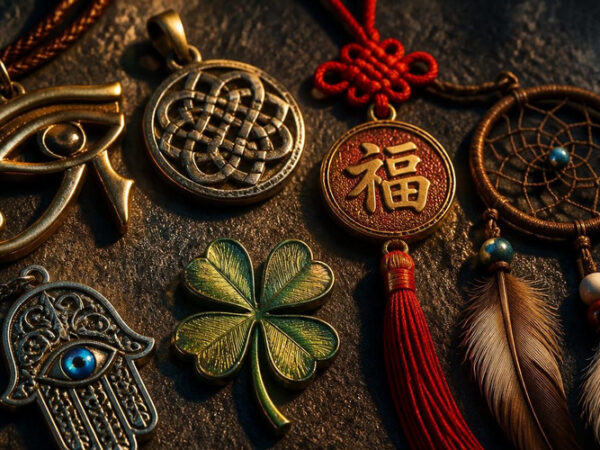
- Talimans – Objects inscribed with symbols for magical protection or luck, often including sigils.
- Amulets – Worn for protection, sometimes bearing sigils as part of their design.
- Runes – Ancient Germanic symbols used for divination and magic, similar in function to sigils.
- Pentagram – A five-pointed star used in magical protection and representing the elements, often combined with sigils.
- Yantra – Geometric diagrams in Hindu and Buddhist traditions used for meditation, analogous to sigils.