Briefly
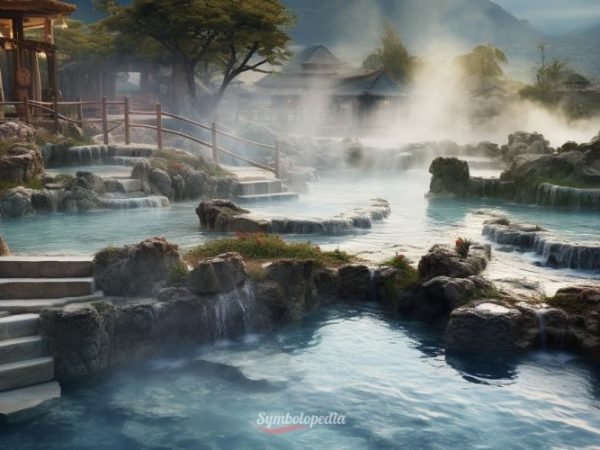
A sacred spring is a natural water source revered for its perceived purity, healing properties, and spiritual significance. Across cultures and centuries, such springs have symbolized cleansing, renewal, and the life-giving force of water. They often serve as sites for ritual purification, pilgrimage, and offerings, embodying the connection between the earthly and the divine. The symbolism of a sacred spring encompasses both physical rejuvenation and spiritual transformation.
What Does Sacred Spring Symbolize?
At its core, a sacred spring symbolizes purification — the washing away of impurities, sins, or negative energies. Water emerging from the earth is seen as pristine and untouched, making it a natural emblem of clarity and new beginnings. Springs also represent renewal and rebirth, as their constant flow mirrors the cycles of life, death, and regeneration. In many traditions, the spring is a threshold between worlds, a place where the veil between the mundane and the sacred is thin, allowing for communication with deities or spirits. Additionally, sacred springs embody healing, both physical and spiritual, as their waters are often believed to cure ailments or restore vitality.
Positive and Negative Meanings
Positive associations: Sacred springs are overwhelmingly linked with positive qualities: purity, health, fertility, abundance, and divine favor. They are places of refuge, meditation, and spiritual insight, offering solace and clarity to those who visit. The act of drawing water from a sacred spring can be a ritual of hope and intention.
Negative meanings: In some contexts, sacred springs can also carry warnings or taboos. Disturbing or polluting a sacred spring is believed to bring misfortune, illness, or divine punishment. Legends sometimes tell of springs that dry up or become cursed when misused, symbolizing the consequences of disrespecting nature and the sacred. Additionally, springs associated with certain deities might demand offerings or strict adherence to rituals, and failure to comply could lead to negative outcomes.
History and Origins of Sacred Spring Symbolism
The veneration of springs dates back to prehistoric times. Archaeological evidence shows that springs were often sites of ritual activity in Neolithic Europe, with offerings such as coins, tools, and animal bones deposited in their waters. In ancient Greece, springs were dedicated to nymphs (nymphaea) and were considered entrances to the underworld or homes of local spirits. The Romans built elaborate shrines at springs, such as the Aquae Sulis in Bath, England, dedicated to the goddess Sulis Minerva. In Celtic traditions, springs were sacred to deities like Brigid and were associated with healing and poetry. The concept of a “holy well” in Christianity absorbed many of these pre-Christian beliefs, with springs often dedicated to saints and used for baptismal rites. Across Asia, springs have been revered in Hinduism, Buddhism, and Shinto, where they are seen as manifestations of divine energy or as places of purification before entering temples.
Sacred Spring Symbolism in Different Cultures
In Celtic culture, sacred springs (often called holy wells) were central to community life. They were believed to be inhabited by spirits or goddesses, and visitors would tie cloths (clooties) to nearby trees as offerings, asking for healing or wishes. The spring at Kildare, associated with Saint Brigid, remains a pilgrimage site. In Hinduism, the Ganges River originates from a sacred spring at Gangotri, and many temple tanks (kunds) are built around natural springs for ritual bathing. The spring at Pushkar in Rajasthan is considered especially holy. In Japanese Shinto, springs (especially hot springs, onsen) are seen as purifying agents; visitors often wash before approaching shrines. The spring at Nachi Falls is a famous sacred site. In Greek and Roman traditions, springs like the Castalian Spring at Delphi were used by priests and pilgrims for purification before oracles. The spring of Arethusa in Sicily was associated with the nymph Arethusa and symbolized transformation and escape. In Christianity, many churches were built near springs, and the water was used for baptisms, symbolizing spiritual rebirth. Examples include the spring at Lourdes in France, which became a major pilgrimage site after reported healings.
Spiritual Meaning of Sacred Springs
Spiritually, a sacred spring represents the source of life and the flow of divine grace. Its water is often seen as a medium for spiritual cleansing, washing away not only physical dirt but also emotional and karmic burdens. Meditating near a spring is thought to clear the mind and open the heart to higher wisdom. In many traditions, the spring is a symbol of the feminine divine — the nurturing, receptive aspect of the universe, often associated with goddesses of love, fertility, and wisdom. The constant, gentle flow of water also symbolizes patience, persistence, and the eternal nature of the soul. Visiting a sacred spring can be a form of pilgrimage, a journey inward to reconnect with one’s own inner purity and purpose.
Sacred Springs in Myths and Folklore
Myths and folklore are rich with stories of sacred springs. In Greek mythology, the Hippocrene spring on Mount Helicon was created by the hoof of Pegasus and was sacred to the Muses, inspiring poets and artists. The spring of Mnemosyne (memory) and Lethe (forgetfulness) in the underworld played roles in the afterlife. In Norse mythology, the Well of Urd (Urðarbrunnr) lies at the roots of Yggdrasil, the world tree, and is tended by the Norns; its waters nourish the tree and hold wisdom and fate. In Celtic folklore, springs were often guarded by supernatural beings, and disturbing them could bring bad luck. The legend of the Lady of the Lake in Arthurian romance may have roots in spring veneration. In Hindu mythology, the spring at Badrinath is said to have been created by Lord Vishnu. Many cultures have tales of springs that grant youth, heal blindness, or reveal truths, but also springs that curse those who misuse them.
Sacred Springs in Dreams
Dreaming of a sacred spring often carries positive connotations. It can symbolize a need for emotional or spiritual cleansing, a desire to return to a state of purity, or a period of renewal ahead. The clarity of the water in the dream may reflect the dreamer’s state of mind: clear water suggests clarity and peace, while murky water may indicate unresolved issues. A spring that flows abundantly can represent vitality and abundance, while a dry spring might warn of depleted energy or a need for rest. Because springs are often associated with healing, such dreams may also point to physical or emotional recovery.
Common Dream Scenarios
- Drinking from a sacred spring: Symbolizes absorbing wisdom, healing, or spiritual nourishment. It may indicate a thirst for knowledge or a need for inner peace.
- Bathing in a sacred spring: Represents purification and the washing away of guilt, sorrow, or negative influences. It often precedes a fresh start.
- Finding a hidden spring: Suggests discovering a new source of strength, creativity, or spiritual insight within oneself or in one’s life.
- A spring that dries up: Warns of emotional exhaustion, loss of inspiration, or a need to reconnect with one’s spiritual practices.
- Polluted or disturbed spring: Indicates contamination of one’s values, relationships, or environment; a call to restore purity and balance.
Sacred Springs in Superstitions and Omens
Superstitions surrounding sacred springs are common in many cultures. It is often considered bad luck to take water from a sacred spring without making an offering or asking permission. In some traditions, throwing stones or debris into a spring is thought to anger the spirits and bring misfortune. Conversely, leaving a small coin, ribbon, or token at a spring is believed to bring good luck, healing, or the fulfillment of a wish. In parts of Ireland and Scotland, it is said that if you circle a holy well three times clockwise while making a wish, the wish will come true. Springs that flow year-round are often seen as omens of enduring life, while a spring that suddenly stops flowing may be interpreted as a sign of coming hardship or divine displeasure.
Sacred Springs in Art and Literature
Sacred springs have inspired artists and writers for centuries. In literature, the sacred spring appears in T.S. Eliot’s poem “The Waste Land,” where the dry rock and lack of water contrast with the life-giving spring, symbolizing spiritual desolation and the need for renewal. In painting, the Renaissance artist Botticelli’s “Primavera” (Spring) includes a sacred grove and flowing water, alluding to the regenerative power of spring. The film “The Fountain” (2006) uses the concept of a mythical spring of life as a central metaphor for love, death, and rebirth. In classical literature, Ovid’s “Metamorphoses” tells of the nymph Arethusa who transforms into a spring to escape the river god Alpheus, symbolizing purity and transformation. These examples show how the sacred spring motif endures as a powerful symbol of life, purity, and transcendence.
Frequently Asked Questions
Q: What does a sacred spring symbolize in general?
A: A sacred spring generally symbolizes purification, renewal, healing, and the connection between the earthly and the divine. It represents a source of life and spiritual clarity.
Q: Are sacred springs always associated with positive meanings?
A: Mostly positive, but they can also carry negative connotations if misused or disrespected, such as bringing bad luck or divine punishment.
Q: What is the difference between a holy well and a sacred spring?
A: The terms are often used interchangeably, but a holy well typically refers to a man-made structure around a spring, while a sacred spring emphasizes the natural water source itself.
Q: Can visiting a sacred spring have spiritual benefits?
A: Many people believe that visiting a sacred spring can promote physical healing, emotional release, and spiritual renewal, especially when approached with reverence and intention.
Related Symbols
- Water — universal symbol of life, purification, and emotion.
- Well — a man-made structure that taps into underground water, often with similar symbolic meanings.
- Fountain — an ornamental water feature symbolizing abundance, life, and renewal.
- River — flowing water representing the journey of life and time.
- Rain — celestial water symbolizing blessing, fertility, and cleansing.