Briefly
The scarecrow is a figure traditionally placed in fields to deter birds from eating crops, but its symbolism extends far beyond agriculture. It represents protection, the cycle of harvest, and the human effort to safeguard what is grown. At the same time, scarecrows often evoke feelings of loneliness, abandonment, and the eerie stillness of rural landscapes. Their dual nature—both guardian and ghostly figure—makes them a powerful symbol in folklore, dreams, and art.
What Does the Scarecrow Symbolize?
The scarecrow primarily symbolizes protection—a silent guardian standing watch over farmland. Its purpose is to scare away pests, so it embodies the idea of defense without aggression. This protective role links it to themes of vigilance and stewardship of the land. Additionally, scarecrows are closely tied to the harvest season, representing abundance, the fruits of labor, and the cycle of growth and decay. In many cultures, the scarecrow also stands for the boundary between the cultivated and the wild, order and chaos.
On a deeper level, scarecrows symbolize the human condition of being alone or misunderstood. They are often depicted as ragged, solitary figures, which can evoke empathy or melancholy. This duality—guardian and outcast—gives the scarecrow a rich symbolic range.
Positive and Negative Meanings of the Scarecrow
Positive associations: The scarecrow is a symbol of hard work, resourcefulness, and the protection of one’s livelihood. It represents the farmer’s ingenuity in using simple materials to defend crops. In this light, it stands for resilience, patience, and the rewards of diligent labor. It also signifies the transition from summer to autumn, a time of gathering and gratitude.
Negative meanings: On the darker side, scarecrows can evoke fear, loneliness, and the uncanny. Their static, human-like form but lack of life creates an unsettling presence. They are associated with abandonment—left in fields after the harvest, forgotten. In horror contexts, scarecrows become symbols of menace, the unknown, or the supernatural. Their immobility can also represent helplessness or being trapped in a role.
History and Origins of Scarecrow Symbolism
The use of scarecrows dates back thousands of years. Ancient Greek farmers carved wooden figures in the shape of Priapus, a god of fertility and protection, to guard their vineyards. In Japan, scarecrows called kakashi were made from old rags and straw to protect rice paddies. These early scarecrows were not just practical tools but also held spiritual meaning—they were thought to house protective spirits or ward off evil.
During the Middle Ages in Europe, scarecrows became common in grain fields. They were often dressed in old clothes and given a hat, resembling a human figure. Over time, they evolved into symbols of rural life and the changing seasons. The Industrial Revolution reduced their use, but they remained potent in folklore and later in popular culture.
Scarecrow Symbolism in Different Cultures
In American culture, the scarecrow is a nostalgic icon of the harvest, especially around Thanksgiving and autumn festivals. It appears in decorations, children’s stories, and as a symbol of simple, rural values. The classic scarecrow from L. Frank Baum’s The Wonderful Wizard of Oz (1900) transformed the figure into a beloved character seeking a brain, representing the quest for intelligence and self-worth.
In Japanese folklore, the kakashi is not only a bird-scarer but also a protective spirit. Some traditions hold that scarecrows can become possessed by kami (spirits) and guard the fields from harm. They are also linked to the festival of Kakashi Matsuri, where scarecrows are dressed up and celebrated.
In British folklore, scarecrows were sometimes believed to come to life at night, wandering the fields. They were associated with the supernatural and were used in tales to frighten children. In some regions, farmers would place a dead crow on a pole as a warning—a precursor to the scarecrow.
Spiritual Meaning of the Scarecrow
Spiritually, the scarecrow can represent the need to set boundaries and protect one’s inner life. Its posture of standing still and watchful reminds us to be vigilant against negative influences. The scarecrow’s empty, stuffed body also symbolizes the idea of a vessel—something that can be filled with meaning or purpose. In meditation, the scarecrow may appear as a guide to patience and endurance, teaching that even when we feel alone, we are fulfilling a vital role.
Scarecrow in Myths and Folklore
Scarecrows appear in various folk tales and myths. In European folklore, they are often depicted as lonely figures that come to life at midnight, sometimes helping lost travelers or playing tricks. The English tale of “The Scarecrow’s Revenge” tells of a scarecrow that punishes a farmer for neglect. In Native American traditions, similar figures were used to protect cornfields, and some tribes believed that the spirit of the scarecrow could communicate with birds.
Perhaps the most famous mythical scarecrow is from L. Frank Baum’s Oz series, where the Scarecrow is a living character who joins Dorothy on her journey. He symbolizes the desire for knowledge and proves that intelligence is not dependent on a physical brain. This story has deeply influenced modern perceptions of scarecrows as sympathetic, wise figures.
Scarecrow in Dreams
Dreaming of a scarecrow often reflects feelings of being watched, judged, or exposed. It can indicate that you are putting up a front—appearing strong or indifferent while feeling vulnerable inside. A scarecrow in a dream may also represent a fear of failure or a need to protect something important in your waking life. Alternatively, it can symbolize a person or situation that seems threatening but is actually harmless.
Common Scarecrow Dream Scenarios
- Seeing a scarecrow in a field: You may feel isolated or overlooked, but also protected in your current environment.
- A scarecrow coming to life: This suggests that something you thought was static or safe is changing, or that hidden fears are emerging.
- Becoming a scarecrow: You might feel stuck in a role, unable to move or express your true self.
- Destroying or burning a scarecrow: This can symbolize letting go of false protections or breaking free from a limiting situation.
- A scarecrow with no face: Represents anonymity or a lack of identity, possibly in a social or work context.
Scarecrow in Superstitions and Omens
In rural superstitions, seeing a scarecrow at night is considered an omen of bad luck or a warning to stay indoors. Some believe that if a scarecrow falls over, it predicts a poor harvest or misfortune for the farmer. Conversely, a scarecrow that remains upright through a storm is seen as a sign of resilience and protection. In parts of Europe, it was thought that a scarecrow could ward off not only birds but also evil spirits, and farmers would sometimes place a stone or charm inside the scarecrow for extra protection.
Scarecrow in Art and Literature
The scarecrow has a prominent place in art and literature. In L. Frank Baum’s The Wonderful Wizard of Oz, the Scarecrow is a central character who believes he lacks a brain but consistently demonstrates wisdom and cleverness. This story has been adapted into films, plays, and other media, cementing the scarecrow as a symbol of underestimated intelligence.
In visual art, scarecrows appear in the works of American painter Grant Wood, whose American Gothic (1930) does not directly feature a scarecrow, but his rural landscapes often include similar figures. More directly, the British painter John Constable included scarecrows in some of his countryside scenes. Contemporary artists use scarecrows to comment on isolation, environmental change, and the loss of agrarian traditions.
In film, scarecrows are iconic in horror movies such as The Scarecrow (1973) and Jeepers Creepers (2001), where they become vessels for evil or vengeful spirits. These portrayals emphasize the scarecrow’s eerie, uncanny nature.
Scarecrow Tattoo Meaning
A scarecrow tattoo often symbolizes protection, resilience, and a connection to the land. It can represent a person who stands guard over their loved ones or ideals. Alternatively, it may express a sense of loneliness or being misunderstood. The scarecrow’s patchwork appearance also appeals to those who value resourcefulness and making the best of what they have. In some designs, the scarecrow is paired with crows or other birds to emphasize the theme of guardianship or conflict.
Meanings of Different Types of Scarecrows
- Traditional straw scarecrow: Symbolizes simplicity, rural life, and the cycle of seasons.
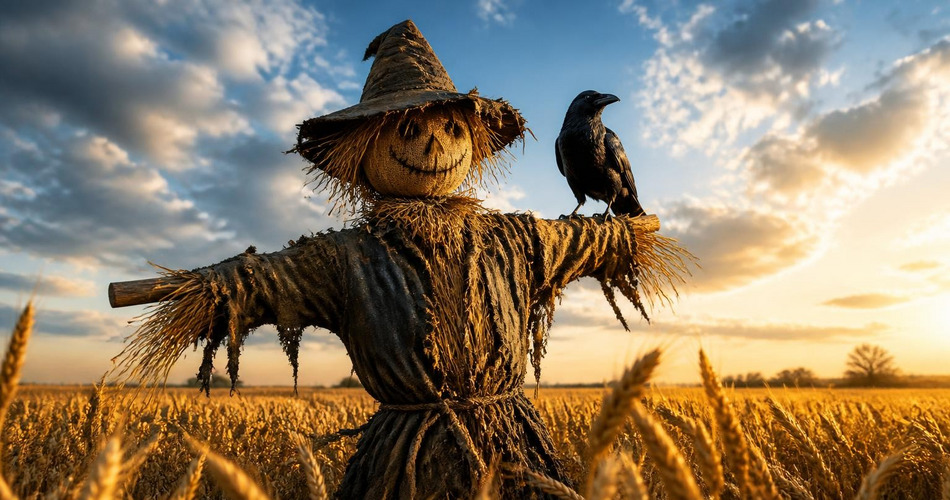
- Scarecrow with a hat and coat: Represents a human-like guardian, often associated with nostalgia and folklore.
- Scarecrow in a field of corn: Tied to abundance, harvest, and the bounty of nature.
- Decorative or festival scarecrow: Used in celebrations like Halloween or harvest festivals, symbolizing fun, community, and the playful side of fear.
- Horror-style scarecrow: Emphasizes fear, the unknown, and the supernatural; often used in tattoos or art to convey a darker meaning.
Frequently Asked Questions
Q: What does a scarecrow symbolize in dreams?
A: In dreams, a scarecrow often represents feelings of being watched, vulnerability, or a need to protect something. It can also indicate that a perceived threat is actually harmless.
Q: Are scarecrows considered good luck?
A: In many agricultural traditions, scarecrows are seen as protectors that bring good fortune by safeguarding crops. However, some superstitions view them as omens of bad luck if seen at night or if they fall over.
Q: Why is the Scarecrow from The Wizard of Oz so important?
A: The Scarecrow in L. Frank Baum’s story symbolizes the quest for knowledge and self-worth. He demonstrates that intelligence is not about having a brain but about using wisdom and experience.
Q: What is the spiritual meaning of a scarecrow?
A: Spiritually, a scarecrow represents vigilance, boundary-setting, and the idea of being a vessel for purpose. It encourages patience and endurance in one’s role.
Related Symbols
- Harvest – The scarecrow is directly linked to the harvest season and abundance.
- Protection – Like talismans and guardian figures, scarecrows ward off harm.
- Loneliness – The solitary figure evokes themes of isolation and melancholy.
- Autumn – Scarecrows are iconic symbols of fall and the changing seasons.
- Transformation – In stories like The Wizard of Oz, the scarecrow undergoes a journey of self-discovery.