Briefly
A shrine is a sacred or holy space dedicated to a deity, saint, hero, or revered ancestor. It serves as a focal point for worship, meditation, pilgrimage, and the offering of prayers or gifts. Shrines symbolize a tangible connection between the human and the divine, representing reverence, devotion, protection, and the preservation of memory. Across cultures, they mark places where the spiritual world is believed to be especially accessible.
What Does a Shrine Symbolize?
A shrine primarily symbolizes a sacred threshold—a physical location where the ordinary world meets the extraordinary or divine. It represents devotion, faith, and the human need to create a dedicated space for contemplation and connection with higher powers. Shrines also embody memory and continuity, often housing relics or images that keep the presence of a holy figure or ancestor alive within a community.
In many traditions, a shrine is a symbol of protection. It is believed to guard a place or its visitors from harm, evil spirits, or misfortune. The act of building or maintaining a shrine can signify gratitude, supplication, or the fulfillment of a vow. Additionally, shrines often symbolize pilgrimage—a journey undertaken for spiritual growth or penance, with the shrine as the ultimate destination.
Positive and Negative Meanings of Shrines
Positive associations: Shrines are seen as sanctuaries of peace, hope, and healing. They offer a refuge for prayer, meditation, and emotional solace. Many people associate shrines with answered prayers, miracles, and a sense of belonging to a larger spiritual community. They can also represent cultural heritage and the preservation of traditions.
Negative meanings: In some contexts, shrines may be viewed as sites of superstition, idolatry, or excessive devotion that distracts from more direct spiritual practice. They can become symbols of exclusivity, where only certain groups are allowed access, or of commercialized religion when tourism and souvenir sales overshadow their sacred purpose. Historically, the destruction of shrines has also been used as a tool of conquest and cultural erasure.
History and Origins of Shrine Symbolism
The concept of a shrine dates back to prehistoric times, when natural features such as caves, springs, or groves were set apart as sacred spaces. Early shrines were often simple altars or stone circles marking a place of ritual. As civilizations developed, shrines became more elaborate—ranging from the Greek heroon (hero shrine) to the Roman lararium (household shrine for ancestral spirits).
In many ancient cultures, shrines were built over the tombs of important figures or at locations where a divine event was believed to have occurred. The practice of pilgrimage to such sites became central to religions like Hinduism, Buddhism, Christianity, and Islam. The symbolism of the shrine as a microcosm of the cosmos—a place where heaven and earth intersect—appears in temple architecture from the ziggurats of Mesopotamia to the stupas of Asia.
Shrine Symbolism in Different Cultures
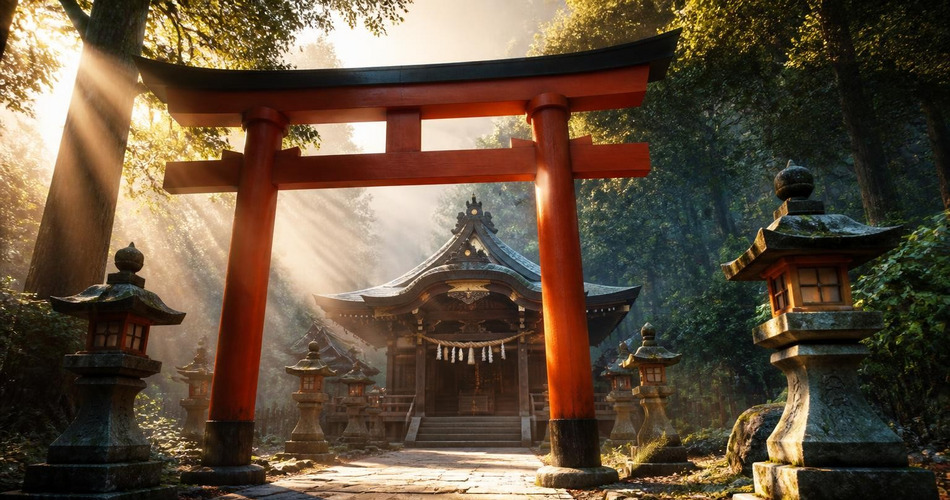
In Shinto, shrines (jinja) are dedicated to kami (spirits) and are marked by a distinctive torii gate. They symbolize purity and the presence of the sacred in nature. Visitors perform purification rituals before approaching, emphasizing the shrine as a boundary between the profane and the holy.
In Hinduism, shrines (mandir or garbhagriha) house images of deities and are considered the dwelling place of the divine on earth. They symbolize the cosmic center and the axis mundi, often designed according to vastu shastra to align with cosmic energies.
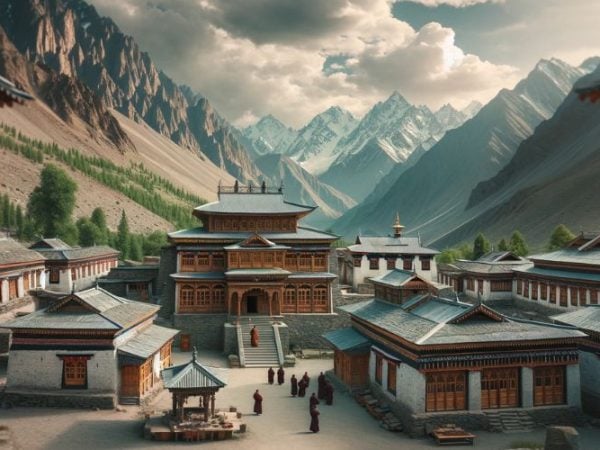
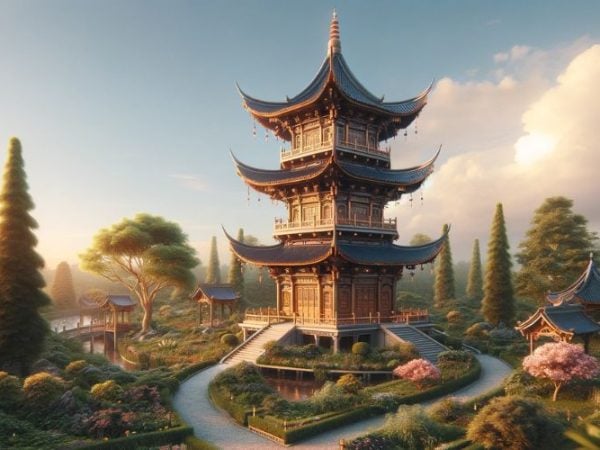
In Buddhism, stupas and pagodas serve as shrines containing relics of the Buddha or enlightened masters. They symbolize the Buddha’s teachings and the path to enlightenment. Circumambulation of a stupa is a meditative practice that reinforces the shrine’s role as a focus of devotion.
In Christianity, shrines are often associated with saints and martyrs. The shrine of Saint Thomas Becket at Canterbury Cathedral became one of the most famous pilgrimage destinations in medieval Europe, symbolizing martyrdom, faith, and the power of intercession. Wayside shrines, common in Catholic countries, mark roadsides and offer travelers a moment for prayer.
In Islam, while the Kaaba in Mecca is the central shrine, local shrines (ziyarat) dedicated to saints and prophets are also venerated in many regions. These shrines symbolize the continuity of faith and the accessibility of divine grace through holy figures.
Spiritual Meaning of Shrines
On a personal level, a shrine can represent an individual’s inner sanctuary—a place to retreat, reflect, and reconnect with one’s values or beliefs. Creating a home shrine is a common practice in many spiritual traditions, symbolizing the desire to invite the sacred into daily life. The objects placed on a shrine—candles, images, incense, offerings—are symbols of intention, gratitude, and aspiration.
Spiritually, a shrine is often seen as a portal between worlds. It is a place where prayers are amplified, where the veil between the material and the spiritual is thinnest. This belief underlies the practice of pilgrimage: traveling to a shrine is itself a symbolic journey of transformation, where the pilgrim leaves behind the ordinary to seek the extraordinary.
Shrines in Myths and Folklore
In Greek mythology, heroes such as Heracles and Asclepius had shrines (heroa) where they were honored with sacrifices and offerings. These shrines were believed to channel the hero’s protective power over the living. The myth of Oedipus ends with his body becoming a shrine that would bring blessings to the land that held it.
In Japanese folklore, shrines are often associated with kami that inhabit natural features like mountains, trees, or waterfalls. The tale of the “Fox Shrine” (Inari shrines) tells of the messenger fox and the deity of rice and prosperity. Many local legends describe miracles or curses connected to the neglect or destruction of a shrine.
In Celtic tradition, sacred wells and springs were treated as shrines to local deities, and offerings were left to ensure health and fertility. These sites later became Christianized as holy wells dedicated to saints, blending old and new symbolism.
Shrines in Dreams
Dreaming of a shrine often reflects a need for spiritual connection, peace, or guidance. It may indicate that the dreamer is seeking a sacred space in their life—a place of refuge from stress or a desire to reconnect with their faith. The condition of the shrine in the dream can be significant: a well-maintained shrine suggests inner harmony, while a neglected one may point to unresolved spiritual questions or guilt.
Shrines in dreams can also symbolize the dreamer’s own body or mind as a temple, prompting reflection on self-care and integrity. If the dream involves praying or making an offering at a shrine, it may represent a wish for change or a plea for help in waking life.
Common Dream Scenarios about Shrines
- Visiting a shrine: Often symbolizes a search for meaning, comfort, or answers. It may indicate a period of introspection or a need to honor someone or something important.
- Praying at a shrine: Reflects a deep desire for intervention, healing, or forgiveness. The content of the prayer may reveal the dreamer’s current concerns.
- A ruined or abandoned shrine: Can represent lost faith, neglected traditions, or feelings of spiritual emptiness. It may also warn of the consequences of ignoring one’s inner values.
- Finding a hidden shrine: Suggests the discovery of a personal truth, a new source of strength, or an unexpected opportunity for growth.
- Building or cleaning a shrine: Indicates a conscious effort to restore balance, honor commitments, or create a sacred space in one’s life.
Shrines in Superstitions and Omens
Many superstitions surround shrines. In some cultures, it is considered bad luck to point at a shrine or to speak disrespectfully near one. Leaving coins or small offerings is believed to bring good fortune, while taking something from a shrine without permission is thought to bring misfortune. In Japan, it is common to buy omamori (protective amulets) at Shinto shrines for luck in exams, health, or travel.
Seeing a shrine in a dream or during a journey is sometimes interpreted as an omen of protection or a sign that a prayer has been heard. Conversely, dreaming of a shrine in disrepair may be seen as a warning of spiritual decline or impending difficulties. In some folk traditions, a shrine that suddenly appears in an unexpected place is considered a message from the divine.
Shrines in Art and Literature
Shrines appear prominently in art and literature as symbols of faith, journey, and transformation. In Geoffrey Chaucer’s The Canterbury Tales, the pilgrimage to the shrine of Saint Thomas Becket at Canterbury Cathedral frames the entire narrative. The shrine serves as both a literal destination and a symbol of spiritual aspiration, with each tale reflecting the pilgrims’ diverse motivations and moral states.
In John Bunyan’s The Pilgrim’s Progress, the Celestial City functions as a metaphorical shrine—the ultimate goal of the Christian journey. The protagonist’s progress is marked by trials and waystations that echo the structure of a pilgrimage to a holy site.
In visual art, shrines are frequently depicted in religious paintings. Fra Angelico’s frescoes in the San Marco monastery in Florence often show the Annunciation taking place in a chapel-like setting, emphasizing the sacredness of the moment. Similarly, Japanese ukiyo-e prints by artists like Utagawa Hiroshige often feature Shinto shrines nestled in landscapes, conveying harmony between nature and the divine.
Shrine Tattoo Meaning
Shrine tattoos are chosen to represent personal faith, protection, or a sacred space within oneself. They often depict a specific shrine from one’s cultural background—such as a Shinto torii gate, a Hindu temple spire, or a Buddhist stupa. The tattoo can symbolize a pilgrimage completed, a vow made, or a constant reminder of spiritual values.
For some, a shrine tattoo marks a turning point in life, serving as a permanent emblem of devotion, hope, or gratitude. The imagery may include offerings, lanterns, or natural elements like water and trees, reinforcing the shrine’s connection to the sacred. Because shrines are deeply personal, the meaning of the tattoo is often unique to the wearer.
Meanings of Different Types of Shrines
- Shinto shrines (Japan): Symbolize purity, harmony with nature, and the presence of kami. The torii gate marks the transition from the mundane to the sacred.
- Hindu temples: Represent the cosmic mountain and the dwelling place of deities. The central shrine (garbhagriha) is the womb-chamber where the divine image resides.
- Buddhist stupas: Symbolize the Buddha’s enlightened mind and the path to liberation. Their shape represents the five elements and the universe.
- Christian shrines: Often associated with saints and miracles. They symbolize intercession, pilgrimage, and the continuity of faith through history.
- Household shrines: Represent personal devotion and the integration of spirituality into daily life. They may honor ancestors, deities, or saints.
- Wayside shrines: Found along roads and paths, they offer travelers a place to pause and pray, symbolizing protection and the presence of the sacred in everyday journeys.
Frequently Asked Questions about Shrines
Q: What is the difference between a shrine and a temple?
A: A shrine is often a smaller, more personal sacred space dedicated to a specific deity, saint, or ancestor, while a temple is typically a larger building used for communal worship and religious ceremonies. However, the terms overlap in many cultures.
Q: Can anyone visit a shrine?
A: Most shrines welcome visitors, but proper etiquette—such as removing shoes, bowing, or making an offering—may be required. Some shrines restrict access to certain areas or times.
Q: Why do people leave offerings at shrines?
A: Offerings are a way to show respect, gratitude, or to ask for blessings. Common offerings include coins, flowers, food, or incense, depending on the tradition.
Q: What does it mean to dream of a shrine?
A: Dreaming of a shrine often symbolizes a need for spiritual connection, peace, or guidance. The condition of the shrine and the dreamer’s actions provide further insight into their inner state.
Related Symbols
- Temple – a larger communal sacred building
- Altar – a raised structure for offerings and rituals
- Pilgrimage – the journey to a shrine as a spiritual practice
- Sacred grove – a natural shrine area
- Stupa – a Buddhist shrine structure
- Torii gate – the symbolic entrance to a Shinto shrine