Briefly
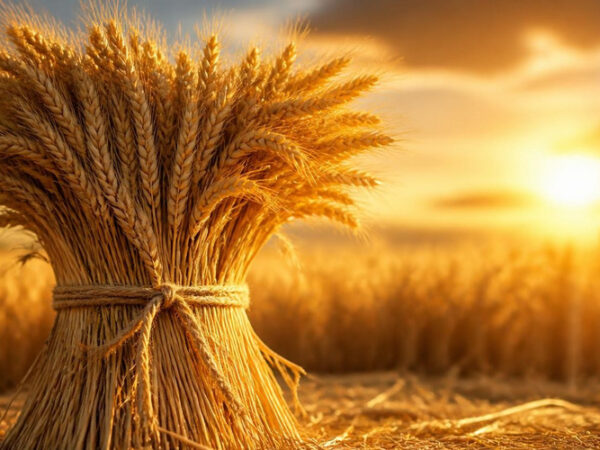
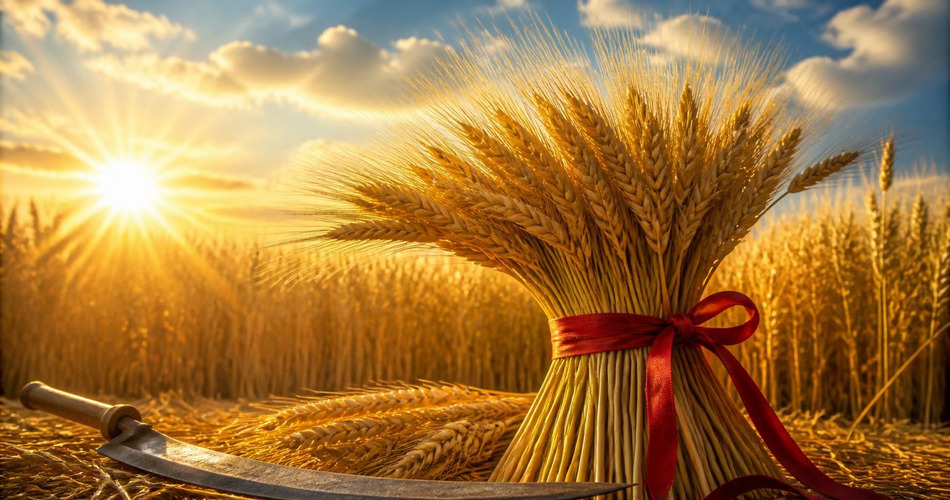
Barley is one of the oldest cultivated grains, deeply tied to human civilization. It symbolizes abundance, fertility, and the sustaining power of the earth. Across cultures, barley represents nourishment, renewal, and the cyclical nature of life and death. Its use in bread, beer, and ritual offerings has made it a universal emblem of sustenance and gratitude.
What Does Barley Symbolize?
Barley primarily symbolizes abundance and fertility. As a staple food for millennia, it represents the basic nourishment that sustains life. In agricultural societies, a good barley harvest meant survival and prosperity, so the grain became a symbol of hope and provision. Barley also embodies the cycle of growth, decay, and rebirth—planted in the ground, it dies as a seed and rises as new life, mirroring themes of resurrection and renewal.
In many traditions, barley is associated with the earth mother goddess and the feminine principle of fertility. Its golden color links it to the sun and warmth, reinforcing ideas of vitality and energy. Barley’s role in brewing beer connects it to celebration, community, and even intoxication, which can symbolize both joy and the loss of control.
Positive and Negative Meanings
Positive associations: Barley is overwhelmingly seen as a positive symbol. It stands for abundance, prosperity, and the fulfillment of basic needs. In religious contexts, it represents divine provision and the goodness of creation. Barley also symbolizes hard work rewarded, patience (as it takes time to grow), and the interconnectedness of all life through the food chain.
Negative meanings: Barley can also carry negative connotations tied to poverty or hardship. In some cultures, barley bread was considered inferior to wheat bread, symbolizing lower social status or scarcity. The grain’s association with beer and drunkenness can imply excess, loss of self-control, or moral weakness. Additionally, a failed barley harvest historically meant famine and suffering, so the grain can evoke anxiety about survival.
History and Origins of the Symbolism
Barley was first domesticated in the Fertile Crescent around 10,000 years ago, making it one of the earliest cultivated grains. Its symbolism emerged from its practical importance: it was a primary food source for ancient civilizations in Mesopotamia, Egypt, Greece, and Rome. Barley was used to make bread, porridge, and beer—the latter being a staple drink in many ancient cultures, sometimes considered safer than water.
In ancient Egypt, barley was associated with the god Osiris, who represented death and resurrection. Barley seeds were placed in tombs to symbolize the hope of rebirth. The Greeks dedicated barley to Demeter, the goddess of agriculture, and used it in rituals for fertility. The Roman festival of Consualia honored the grain god Consus, and barley was offered to ensure a bountiful harvest. These early associations laid the foundation for barley’s enduring symbolic meanings.
Symbolism in Different Cultures
In Christianity, barley appears in the Bible as a symbol of God’s provision. The miracle of the loaves and fishes involved barley loaves (John 6:9), linking barley to divine abundance and the feeding of multitudes. Barley was also the grain of the poor, emphasizing humility and trust in God’s care.
In Japanese culture, barley (mugi) is a symbol of perseverance and health. It is often used in teas and foods believed to promote vitality. The phrase “mugi no aji” (taste of barley) can evoke simple, honest nourishment.
In Celtic traditions, barley was sacred to the earth mother and used in fertility rites. The grain was associated with the sun and the harvest season, celebrated at Lughnasadh. Barley straw was woven into protective charms and symbols of luck.
In Hinduism, barley (yava) is considered a pure grain used in sacrificial offerings. It symbolizes prosperity and is often thrown into the sacred fire during rituals to invoke blessings.
Spiritual Meaning
Spiritually, barley represents the cycle of life, death, and rebirth. Its growth from a single seed to a stalk of many grains mirrors spiritual transformation and the potential for abundance from humble beginnings. Barley is also seen as a grounding energy, connecting humans to the earth and the rhythms of nature.
In meditation and ritual, barley can symbolize gratitude for sustenance and the interconnectedness of all beings. Its golden color is associated with the solar plexus chakra, representing personal power, confidence, and the warmth of the sun. Barley’s use in bread and beer also ties it to the concept of communion—sharing food and drink as a spiritual act.
In Myths and Folklore
In Greek mythology, barley was closely linked to Demeter, the goddess of the harvest. The myth of Persephone’s abduction and return explains the seasons; during the barren months, barley did not grow, symbolizing death and mourning. When Persephone returned, barley sprouted again, representing renewal and joy.
In Norse mythology, barley was associated with the god Freyr, who ruled over peace, fertility, and prosperity. Barley was used in brewing ale for feasts and rituals, and the drink was considered a gift from the gods.
In Chinese folklore, barley is sometimes linked to the story of the “Barley Girl,” a tale of a maiden who turns into a barley plant to escape a pursuer, symbolizing transformation and protection. The grain is also associated with the legend of the “Barley King,” a spirit of the harvest who ensures a good crop.
In Dreams
Dreaming of barley generally relates to themes of nourishment, abundance, and hard work. Seeing a field of ripe barley suggests prosperity and the fruition of efforts. Barley in dreams can also indicate a need for patience, as the grain takes time to grow. If the barley is withered or damaged, it may warn of potential loss or the need to tend to neglected aspects of life.
Barley appearing in dreams often reflects the dreamer’s relationship with basic needs—food, security, and stability. It can also symbolize spiritual sustenance and the desire for inner growth.
Common Dream Scenarios
- Harvesting barley: Represents reaping the rewards of hard work and achieving goals. It can also signify a time of plenty and satisfaction.
- Eating barley bread or porridge: Symbolizes humble nourishment and contentment with simple pleasures. It may indicate a need to appreciate what you have.
- Barley field withered: Suggests disappointment, missed opportunities, or a period of scarcity. It may be a call to reassess priorities or efforts.
- Planting barley seeds: Reflects new beginnings, investments in the future, and the patience required for growth. It encourages trust in the process.
- Drinking barley beer: Can represent celebration, social connection, or the desire to relax. It may also warn against overindulgence or escapism.
In Superstitions and Omens
Barley has been part of various superstitions across cultures. In some European folk traditions, carrying a few barley grains in a pocket was believed to bring good luck and protect against evil. A sheaf of barley hung over a door was thought to invite prosperity and ward off misfortune.
In Scotland, it was considered unlucky to spill barley or to let it go to waste, as it represented the gift of the earth. Farmers would sometimes leave the last sheaf of barley in the field as an offering to the harvest spirit, ensuring a good crop the following year.
In some regions, dreaming of barley was seen as an omen of a bountiful harvest or an upcoming marriage. Conversely, seeing barley scattered on the ground could portend financial loss or wasted effort.
In Art and Literature
Barley appears in several notable works. In the Bible, the story of Ruth and Boaz involves barley fields as a setting for loyalty, provision, and redemption (Book of Ruth). The miracle of the barley loaves in John’s Gospel underscores the theme of divine abundance.
In Greek poetry, barley is often mentioned in the context of agricultural life. Hesiod’s “Works and Days” describes the labor of sowing and harvesting barley, linking it to the cycles of human toil and divine favor.
In Japanese haiku, barley fields are a seasonal image (kigo) for late spring or early summer, evoking the simplicity of rural life and the beauty of the natural world. For example, the poet Matsuo Bashō wrote: “Barley field / the lark sings / in the morning mist.”
In modern art, barley is sometimes depicted in still-life paintings as a symbol of rustic abundance and the honest labor of farming. The grain also appears in beer advertisements, where it represents tradition, craftsmanship, and conviviality.
Frequently Asked Questions
Q: What does barley symbolize in the Bible?
A: Barley symbolizes God’s provision, humility, and the abundance that comes from faith. It is the grain of the poor and appears in stories of miracles, such as the feeding of the five thousand with barley loaves.
Q: Is barley a symbol of fertility?
A: Yes, barley has long been associated with fertility and the earth’s generative power. In many ancient cultures, it was used in rituals to promote agricultural abundance and human fecundity.
Q: What does dreaming of barley mean?
A: Dreaming of barley often relates to nourishment, hard work, and the rewards of patience. It can indicate a period of growth, abundance, or the need to appreciate simple blessings.
Q: Why is barley used in religious rituals?
A: Barley’s long history as a staple food makes it a natural offering in many religions. It symbolizes sustenance, gratitude, and the sacredness of the harvest. In Hinduism, it is offered in fire sacrifices; in Christianity, it appears in Eucharistic symbolism.
Related Symbols
- Wheat – Similar grain symbolizing abundance and the staff of life, often contrasted with barley as a more refined symbol.
- Bread – Represents nourishment, community, and the transformation of grain into sustenance.
- Beer – Barley’s fermented form, symbolizing celebration, relaxation, and sometimes excess.
- Harvest – The broader concept of reaping rewards, closely tied to barley’s agricultural symbolism.
- Demeter/Ceres – Goddesses of agriculture and fertility, often associated with barley and the cycles of growth.