Briefly
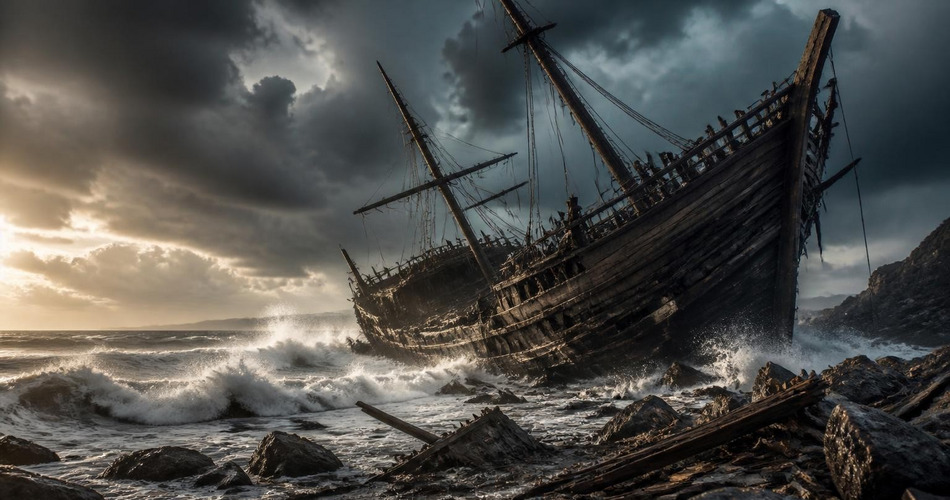
A shipwreck is a powerful symbol of disaster, loss, and the destructive power of nature. It represents the sudden end of a journey, the collapse of plans, and the fragility of human endeavors. However, shipwrecks also carry meanings of transformation, renewal, and the possibility of new beginnings after catastrophe. In many contexts, the image of a wrecked ship serves as a reminder of the forces beyond human control and the resilience required to survive and rebuild.
What Does Shipwreck Symbolize?
Shipwreck symbolism is multifaceted. On one level, it represents catastrophic failure, loss of life, and the destruction of something once grand and purposeful. The ship, often a symbol of human ambition, exploration, and commerce, lies broken and defeated. This can symbolize personal or collective disaster, such as financial ruin, relationship breakdown, or the collapse of a nation or enterprise.
On a deeper level, shipwrecks symbolize the unpredictability of life and the limits of human control over nature. They remind us of the fragility of our constructions and the power of the natural world. Yet, shipwrecks also offer a paradoxical symbolism of transformation. The wreckage can become a new habitat for marine life, and survivors often undergo profound personal change. Thus, shipwreck can represent a necessary destruction that clears the way for renewal.
Positive and Negative Meanings
Positive associations: Shipwrecks can symbolize the end of a difficult journey, a break from the past, and the opportunity for a fresh start. The destruction of the old vessel can represent the shedding of outdated beliefs or situations, allowing for personal growth and transformation. In some contexts, shipwrecks are seen as a catalyst for heroism, survival, and human resilience.
Negative meanings: More commonly, shipwrecks evoke tragedy, death, loss, and failure. They represent the devastating consequences of human error, natural forces, or fate. The image of a shipwreck is often associated with hopelessness, abandonment, and the irreversible loss of what was once valuable. It can also symbolize the dangers of hubris, as in the case of the Titanic, where overconfidence in technology led to disaster.
History and Origins of Shipwreck Symbolism
The symbolism of shipwreck is ancient, rooted in humanity’s long relationship with the sea. In classical literature, shipwrecks appear in Homer’s Odyssey and Virgil’s Aeneid as trials that test heroes. The Bible includes the shipwreck of St. Paul, which became a symbol of divine protection and the spread of Christianity. Throughout history, shipwrecks have been interpreted as divine punishment, tests of faith, or reminders of mortality. The development of maritime trade and exploration made shipwrecks a common real-world disaster, and their symbolic weight grew accordingly.
In many cultures, the shipwreck is a metaphor for the soul’s journey through life, with the storm representing trials and the wreck representing death or spiritual crisis. The concept of the “ship of state” wrecking on the rocks of political turmoil is a recurring image in political philosophy.
Shipwreck Symbolism in Different Cultures
In Western culture, shipwrecks often symbolize tragedy and the limits of human ambition. The story of the Titanic is a modern myth of hubris and disaster. In Greek mythology, shipwrecks were often sent by gods as punishment or tests. The Phoenicians and other seafaring peoples viewed shipwrecks as omens from the sea gods.
In Polynesian cultures, shipwrecks could be seen as a sign of the gods’ displeasure or as a transformative event that led to new settlements. In Japanese folklore, the story of the Umi no Kami (sea gods) includes shipwrecks as both a warning and a source of new life. In many coastal communities, shipwrecks are integrated into local mythology as events that shaped the land and people.
Spiritual Meaning of Shipwreck
Spiritually, a shipwreck can represent a crisis of faith or a profound spiritual awakening. The destruction of the ship, which carries the soul across the waters of life, can symbolize the shattering of ego and the beginning of a new spiritual path. In some traditions, the shipwreck is a necessary step before reaching the promised land, as in the story of Jonah or the voyage of the Mayflower (though the latter is not a shipwreck). The idea of being cast adrift after a shipwreck can symbolize the soul’s journey through uncertainty and its eventual arrival at a new understanding.
In Christian symbolism, the shipwreck is often a metaphor for the soul’s vulnerability and the need for divine guidance. The image of a wrecked ship with a cross on the shore represents salvation after disaster. In Buddhism, the shipwreck can represent the impermanence of all things and the need to detach from worldly possessions.
Shipwreck in Myths and Folklore
Shipwrecks feature prominently in myths and folklore around the world. One of the most famous is the legend of the Flying Dutchman, a ghost ship condemned to sail forever after its crew was lost in a storm. This tale symbolizes eternal punishment and the dangers of the sea. In Greek myth, the shipwreck of Odysseus on the island of Calypso represents a test and a delay on his journey home. The story of the wreck of the Medusa in 1816 inspired both a famous painting and a cautionary tale about leadership and survival.
In Norse mythology, the ship Naglfari is made from the fingernails of the dead and will be launched at Ragnarok, symbolizing the final destruction. In Celtic folklore, the coracle (a small boat) wrecking on the shore can signify the end of a spiritual quest. Many coastal communities have legends of ghost ships and wreckers who lure ships to their doom, reflecting the fear and fascination with shipwrecks.
Shipwreck in Dreams
In dream interpretation, a shipwreck often symbolizes a major life crisis or a feeling of being overwhelmed by circumstances. It can represent the end of a relationship, a career setback, or a loss of direction. The dreamer may feel that their plans have been destroyed and they are adrift. However, shipwreck dreams can also indicate the need for a radical change and the potential for rebirth after destruction.
The context of the dream matters: if the dreamer survives the shipwreck, it may symbolize resilience and the ability to start anew. If they drown, it may represent a fear of being consumed by problems. The ship itself may represent the dreamer’s life journey, and the wreck suggests that something fundamental is broken.
Common Dream Scenarios
- Surviving a shipwreck: Symbolizes overcoming a major challenge and emerging stronger, with new insights.
- Being on a sinking ship: Represents a situation in waking life that is deteriorating, such as a failing relationship or business.
- Seeing a shipwreck from shore: May indicate a feeling of helplessness or observing someone else’s disaster.
- Searching for survivors after a shipwreck: Reflects a desire to rescue something valuable from a failed endeavor.
- Finding treasure on a shipwreck: Symbolizes discovering hidden value or lessons in a past failure.
Shipwreck in Superstitions and Omens
Throughout maritime history, shipwrecks have been surrounded by superstitions. Sailors often considered certain actions or objects as omens of shipwreck: for example, having a woman on board was thought by some to bring bad luck, while others believed that whistling would summon storms. The presence of a black cat on a ship was considered lucky in some cultures but unlucky in others. The superstition that it is bad luck to set sail on a Friday is widespread, and many shipwrecks have been attributed to ignoring this taboo.
In some coastal communities, the sighting of a ghost ship or a light over the water was considered an omen of an impending shipwreck. The will-o’-the-wisp phenomenon was sometimes interpreted as the souls of drowned sailors warning of danger. Shipwrecks themselves were often seen as divine punishment for sins, and survivors were sometimes treated with suspicion.
Shipwreck in Art and Literature
Shipwrecks have inspired countless works of art and literature. One of the most famous paintings is The Raft of the Medusa (1818–1819) by Théodore Géricault, which depicts the aftermath of the wreck of the French frigate Medusa. The painting is a powerful symbol of human suffering, hope, and the struggle for survival. In literature, Shakespeare’s The Tempest opens with a shipwreck that sets the stage for themes of magic, power, and reconciliation. The shipwreck in Robinson Crusoe by Daniel Defoe leads to the protagonist’s isolation and eventual self-reliance.
In poetry, The Wreck of the Deutschland by Gerard Manley Hopkins is a meditation on faith and suffering inspired by a real shipwreck. The Rime of the Ancient Mariner by Samuel Taylor Coleridge includes a ghostly shipwreck and supernatural elements. In modern cinema, James Cameron’s Titanic (1997) uses the shipwreck as a backdrop for a love story and a symbol of class division and human hubris. The shipwreck in Yann Martel’s Life of Pi leads to a journey of survival and spiritual discovery.
Frequently Asked Questions
Q: What does a shipwreck symbolize in a dream?
A: In dreams, a shipwreck often symbolizes a major life crisis, loss of control, or the end of a significant phase. It can also represent the need for transformation and the opportunity for a new beginning after destruction.
Q: Is a shipwreck considered a positive or negative symbol?
A: While primarily a negative symbol of disaster and loss, shipwrecks can also carry positive meanings of renewal, transformation, and the resilience of survivors. The context determines the dominant interpretation.
Q: What is the most famous shipwreck in mythology?
A: One of the most famous is the shipwreck of Odysseus in Homer’s Odyssey, which leads to his long captivity on Calypso’s island. The legend of the Flying Dutchman is also a well-known ghost shipwreck story.
Q: How is shipwreck used as a metaphor in literature?
A: Shipwreck is often used as a metaphor for the collapse of plans, the end of a journey, or a catastrophic event that forces characters to confront their limitations and find new paths. It can symbolize both destruction and the possibility of rebirth.
Related Symbols
- Ship: The vessel itself, symbolizing journey, ambition, and human endeavor.
- Storm: Often preceding a shipwreck, representing chaos, turmoil, and the forces of nature.
- Anchor: Symbol of stability and hope, often associated with shipwrecks as a remnant.
- Lighthouse: Represents guidance and safety, contrasting with the danger of shipwrecks.
- Treasure: Often found in shipwrecks, symbolizing hidden value in loss.
- Island: The destination or refuge after a shipwreck, symbolizing isolation and new beginnings.