Briefly
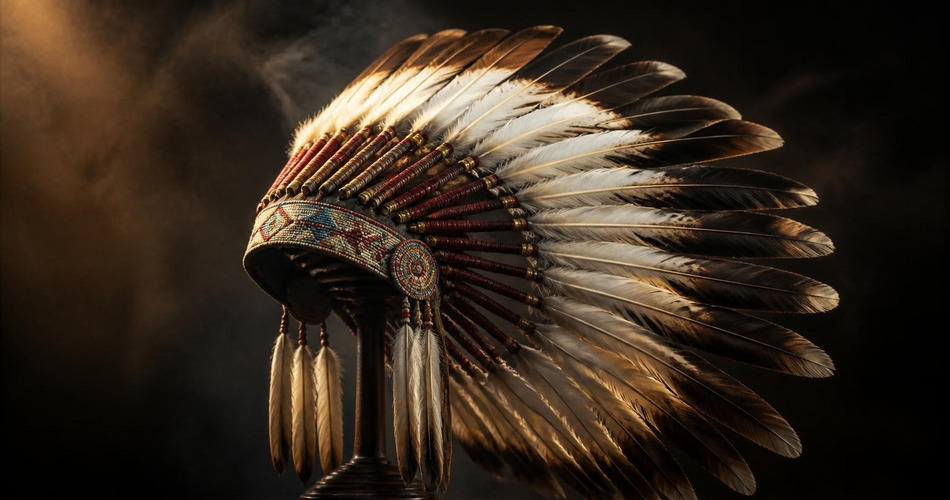
Feather headdresses are ceremonial headpieces crafted from bird feathers, worn by various cultures for rituals, warfare, and status. They symbolize honor, bravery, spiritual connection, and leadership. The specific feathers used can convey distinct meanings, such as courage from eagle feathers or wisdom from owl feathers. These headdresses often serve as powerful symbols of identity and authority within their cultural contexts.
What Does Feather Headdress Symbolize?
Feather headdresses primarily symbolize status and authority. In many cultures, they are worn by chiefs, warriors, and spiritual leaders to denote their rank and achievements. The feathers themselves are often earned through acts of bravery or significant contributions to the community. Additionally, feather headdresses represent a connection to the spiritual world, as birds are seen as messengers between earth and sky. The headdress can also signify protection, both physical and spiritual, and is sometimes believed to confer the qualities of the bird whose feathers are used.
Positive and Negative Meanings
Positive associations: Feather headdresses are associated with honor, courage, wisdom, and spiritual insight. They can represent a deep connection to nature and the divine, and are often used in ceremonies to invoke blessings and protection. Wearing a feather headdress can signify leadership and respect within a community.
Negative meanings: In contemporary contexts, feather headdresses can be seen as symbols of cultural appropriation when used outside their original cultural context without understanding or respect. They may also be associated with stereotypes and misrepresentations of Indigenous peoples. Additionally, the use of feathers from endangered species raises ethical concerns about conservation.
History and Origins of the Feather Headdress Symbolism
The use of feather headdresses dates back thousands of years across multiple continents. In North America, Plains tribes such as the Sioux and Cheyenne developed the war bonnet, a type of feather headdress worn by warriors and chiefs. These headdresses often used eagle feathers, each earned through a specific act of bravery. In South America, Amazonian tribes created headdresses from macaw and parrot feathers for rituals and dances. In Africa, Maasai warriors wear headdresses made from ostrich feathers, symbolizing bravery and status. In Polynesia, feather headdresses are part of traditional attire for chiefs and are used in ceremonies. The symbolism of feather headdresses is deeply tied to the cultural significance of birds and the spiritual beliefs of these societies.
Feather Headdress Symbolism in Different Cultures
In Native American cultures, feather headdresses are iconic symbols of leadership and spiritual power. The war bonnet, often made with eagle feathers, is a sacred item that represents the warrior’s achievements and connection to the Great Spirit. Different feathers carry different meanings: eagle feathers signify strength and courage, while owl feathers represent wisdom. In African cultures, the Maasai use ostrich feather headdresses in warrior ceremonies, symbolizing bravery and status. In the Amazon, tribes like the Kayapó use elaborate feather headdresses in rituals to communicate with spirits and ancestors. In Hawaiian culture, the mahiole (feather helmet) was worn by chiefs and symbolized high rank and divine protection. Each culture imbues the feather headdress with unique meanings based on local beliefs and traditions.
Spiritual Meaning of Feather Headdress
Feather headdresses hold profound spiritual significance. Feathers are often seen as gifts from the sky, representing a connection to the divine and the celestial realm. Wearing a feather headdress can be a way to invoke the qualities of birds—such as vision, freedom, and transcendence—during spiritual ceremonies. In shamanic traditions, headdresses are used to facilitate journeys between worlds, with feathers acting as conduits for spiritual energy. The headdress itself becomes a sacred object, imbued with the power to protect the wearer and channel spiritual forces.
Feather Headdress in Myths and Folklore
Feather headdresses appear in various myths and folklore, often as items of power. In Native American legends, the Thunderbird is a powerful spirit that controls the sky, and its feathers are used in headdresses to grant protection and strength. Stories tell of warriors who earned eagle feathers through brave deeds, and these feathers are incorporated into headdresses as symbols of their valor. In African folklore, the ostrich is associated with justice and truth, and its feathers in headdresses signify these qualities. In Polynesian mythology, the feather headdress is linked to the god of war and is believed to confer invincibility in battle.
Feather Headdress in Superstitions and Omens
In various cultures, feathers themselves are considered omens. Finding a feather is often seen as a message from the spirit world or a sign of protection. Feather headdresses, being composed of many feathers, are believed to amplify this protective energy. In some Native American traditions, a feather headdress is thought to shield the wearer from harm and bring good fortune in battle. However, it is also considered disrespectful to wear certain feathers without having earned them, as they may bring bad luck.
Feather Headdress in Art and Literature
Feather headdresses have been depicted in numerous works of art and literature, often as symbols of Native American culture. In James Fenimore Cooper’s novel The Last of the Mohicans (1826), characters such as Chingachgook wear feather headdresses, representing their status and connection to nature. The 1992 film adaptation also prominently features these headdresses. In the 1990 film Dances with Wolves, the Lakota Sioux are shown wearing feather headdresses, highlighting their cultural identity. The painter George Catlin, in the 19th century, created many portraits of Native American leaders wearing elaborate feather headdresses, which helped popularize the image in Western art. These depictions have shaped global perceptions of feather headdresses, though they sometimes risk reinforcing stereotypes.
Feather Headdress Tattoo Meaning
Feather headdress tattoos are popular in contemporary body art, often chosen to symbolize a connection to Native American spirituality, respect for nature, or personal strength. However, such tattoos can be controversial due to cultural appropriation, as the headdress holds deep sacred meaning for Indigenous peoples. Those who choose this design should be aware of its cultural significance and consider whether it is appropriate to wear a symbol that belongs to a specific heritage. When done with respect and understanding, a feather headdress tattoo can be a powerful tribute, but it is important to approach it with sensitivity.
Meanings of Different Types, Colors, and Variations
The symbolism of a feather headdress can vary based on the types of feathers used and their colors:
- Eagle feathers: Represent strength, courage, and a direct connection to the divine. Often used in war bonnets.
- Owl feathers: Symbolize wisdom, intuition, and the ability to see what others cannot.
- Hawk feathers: Signify focus, vision, and protection.
- Ostrich feathers: Associated with justice, truth, and status in African cultures.
- Macaw or parrot feathers: Used in Amazonian headdresses for rituals, representing color, vitality, and communication with spirits.
- White feathers: Often symbolize purity, peace, and spiritual clarity.
- Red feathers: Can represent war, sacrifice, or life force.
- Black feathers: May signify mystery, protection, or the unknown.
Frequently Asked Questions
Q: What does a feather headdress symbolize?
A: A feather headdress typically symbolizes status, bravery, spiritual connection, and leadership. The specific meaning depends on the culture and the types of feathers used.
Q: Is it cultural appropriation to wear a feather headdress?
A: Wearing a feather headdress without understanding or respecting its cultural significance can be considered cultural appropriation, especially when it involves sacred items of Indigenous peoples. It is important to educate oneself and approach such symbols with respect.
Q: What feathers are traditionally used in headdresses?
A: Traditional feathers include eagle, hawk, owl, ostrich, macaw, and parrot feathers. The choice depends on the culture and the intended symbolism.
Q: Can I wear a feather headdress as a fashion accessory?
A: While feather headdresses are sometimes used in fashion, it is important to be aware of their cultural origins and the potential for causing offense. Many Indigenous communities consider the headdress a sacred item that should not be worn casually.
Related Symbols
- Feather: Symbol of flight, freedom, and spiritual ascension.
- War bonnet: A specific type of Native American feather headdress.
- Headdress: General term for head ornaments, often ceremonial.
- Bird: Represents transcendence, vision, and connection to the divine.
- Eagle feather: A symbol of courage and honor in many cultures.