Briefly
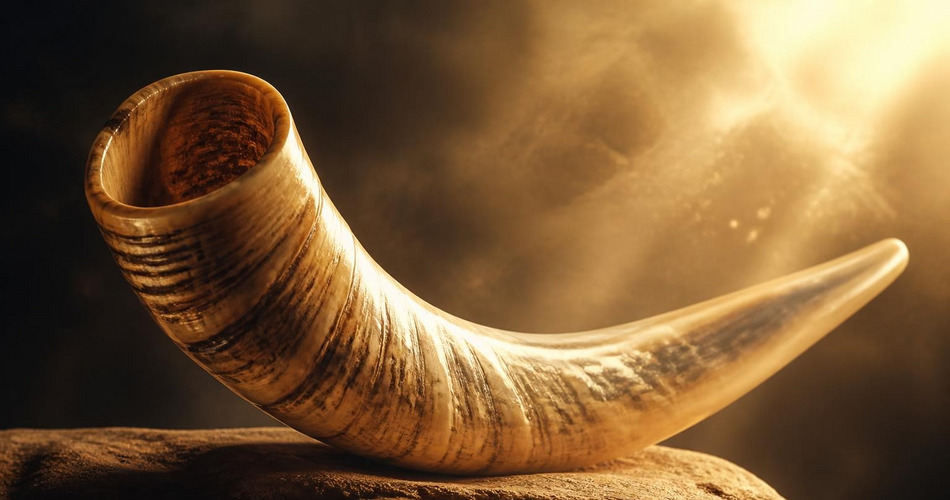
The shofar is a ram’s horn used as a musical instrument in Jewish religious ceremonies, most notably on Rosh Hashanah (the Jewish New Year) and at the conclusion of Yom Kippur. Its piercing, unadorned sound serves as a call to repentance, awakening the soul to spiritual reflection and divine judgment. The shofar also symbolizes the coronation of God as king, the binding of Isaac, and the giving of the Torah at Mount Sinai. Beyond its ritual function, the shofar represents a bridge between the human and the divine, a reminder of both awe and hope.
What Does the Shofar Symbolize?
The shofar primarily symbolizes a spiritual alarm clock. Its sound is meant to rouse individuals from complacency and inspire them to examine their actions and return to a righteous path. In Jewish tradition, the shofar is closely tied to the concept of teshuvah (repentance), especially during the High Holy Days. The horn’s raw, wordless cry bypasses intellectual reasoning and speaks directly to the heart, urging inner change.
Additionally, the shofar symbolizes the sovereignty of God. On Rosh Hashanah, the shofar is blown to proclaim God as king of the universe. This coronation theme is reinforced by the biblical verses recited during the shofar service, which emphasize divine majesty, remembrance, and the revelation at Sinai. The shofar also represents the binding of Isaac (the Akedah), where a ram was sacrificed in place of Isaac, linking the horn to themes of sacrifice, faith, and divine mercy.
Another layer of meaning is the shofar’s association with the giving of the Torah. According to tradition, the sound of the shofar was heard at Mount Sinai when the Ten Commandments were delivered. This connection imbues the shofar with the symbolism of divine revelation and covenant.
Positive and Negative Meanings of the Shofar
Positive associations: The shofar is overwhelmingly a positive symbol. It represents hope, renewal, and the opportunity for spiritual growth. Its blast announces the start of a new year and the chance to reset one’s moral compass. The shofar also signifies divine forgiveness and mercy, as it is blown at the end of Yom Kippur, the Day of Atonement, signaling that God has accepted the people’s repentance. In a broader sense, the shofar is a symbol of Jewish identity, continuity, and faith.
Negative meanings: The shofar can also carry a warning or judgmental tone. Its sound is described in the Bible as a battle alarm and a call to war (e.g., in the Book of Joshua, the shofar helped bring down the walls of Jericho). In prophetic literature, the shofar often heralds impending doom or divine punishment. For example, the prophet Amos declares, “If a shofar is blown in a city, will not the people tremble?” (Amos 3:6). Thus, the shofar can evoke fear and remind people of the consequences of sin. However, even this negative aspect is ultimately constructive, as it aims to spur repentance before judgment is enacted.
History and Origins of the Shofar Symbolism
The shofar is one of the oldest known musical instruments still in continuous ritual use. Its origins are rooted in ancient Near Eastern practices where animal horns were used for signaling. In the Hebrew Bible, the shofar appears prominently in the narrative of the Exodus and the giving of the Torah at Sinai (Exodus 19:16–19). The sound of the shofar grew louder and louder as Moses spoke, and the people trembled. This event established the shofar as a symbol of divine presence and revelation.
The shofar also plays a central role in the story of the battle of Jericho (Joshua 6), where seven priests blew shofars for seven days, and on the seventh day the walls fell. This narrative cemented the shofar as a symbol of faith and divine intervention in military contexts. Over time, the shofar became specifically associated with the Jewish New Year. The Mishnah (Rosh Hashanah 3:2) details the laws of shofar blowing, and the Talmud expands on its significance. The rabbis linked the shofar to the binding of Isaac, explaining that the horn of the ram substituted for Isaac is blown to remind God of Abraham’s devotion and to invoke mercy.
Shofar Symbolism in Different Cultures
While the shofar is almost exclusively a Jewish symbol, it has also been adopted in some Christian contexts. In the New Testament, the shofar (often translated as “trumpet”) appears in the Book of Revelation, where seven angels blow trumpets to announce apocalyptic events. This usage draws on the Jewish tradition of the shofar as a herald of divine judgment and revelation. Some Christian groups, particularly those with Messianic Jewish roots, incorporate the shofar into worship as a symbol of praise and spiritual warfare.
In Jewish culture, the shofar remains a powerful emblem of national and religious identity. It is blown in synagogues worldwide during the High Holy Days, and its sound is recognized as a quintessential element of Jewish liturgy. The shofar also appears in modern Israeli culture as a symbol of heritage and continuity, sometimes used in state ceremonies or as a motif in art and jewelry.
Spiritual Meaning of the Shofar
Spiritually, the shofar is a tool for awakening the soul. Its sound is not melodic but raw and primal, intended to bypass intellectual defenses and touch the core of a person’s being. The shofar’s blast is seen as a cry from the depths, mirroring the human cry for connection with God. In Jewish mystical tradition (Kabbalah), the shofar is associated with the sefirah of Binah (understanding) and the concept of returning to the source of creation. The different types of blasts—tekiah (a long, straight blast), shevarim (three broken notes), teruah (nine short staccato notes), and tekiah gedolah (a very long final blast)—are said to represent different spiritual states: wholeness, brokenness, alarm, and ultimate redemption.
The shofar also serves as a reminder of the covenant between God and the Jewish people. Its sound at Sinai and at the binding of Isaac reinforces the idea of a lasting relationship based on faith and obedience. For many, hearing the shofar is a deeply moving experience that evokes a sense of awe, humility, and hope for divine mercy.
The Shofar in Myths and Folklore
The shofar appears in several Jewish legends and folk tales. One well-known story is that the shofar will be blown by the prophet Elijah to announce the coming of the Messiah. This belief is rooted in rabbinic literature, where the shofar is associated with the final redemption. Another legend holds that the shofar’s sound at Rosh Hashanah confuses Satan, preventing him from accusing the Jewish people before God. This idea underscores the shofar’s protective and redemptive qualities.
In folklore, the shofar is sometimes said to have healing powers. The sound is believed to ward off evil spirits and bring blessings. Some stories tell of righteous individuals whose shofar blasts could break curses or bring rain. While these tales are not part of formal religious doctrine, they reflect the deep reverence and mystical aura surrounding the shofar in Jewish folk tradition.
The Shofar in Art and Literature
The shofar appears in some of the most foundational texts of Western civilization. In the Hebrew Bible, it is mentioned in the context of the giving of the Torah (Exodus 19), the battle of Jericho (Joshua 6), and the binding of Isaac (Genesis 22, where the ram’s horn is implied). The Psalms also reference the shofar, notably Psalm 47:5: “God has ascended with a shout, the Lord with the sound of a shofar.” In the New Testament, the Book of Revelation describes seven angels with trumpets (shofars) that announce apocalyptic judgments (Revelation 8–11).
In Jewish liturgical literature, the Mishnah and Talmud contain extensive discussions of the shofar’s laws and symbolism. The medieval poet and philosopher Judah Halevi wrote poems that allude to the shofar’s call. In modern times, the shofar appears in works by Jewish authors such as S. Y. Agnon and in visual art by artists like Marc Chagall, who incorporated the shofar into his depictions of Jewish life and spirituality. These examples show the shofar’s enduring presence as a symbol of faith, history, and hope.
Frequently Asked Questions about the Shofar
Q: What is a shofar made of?
A: A shofar is traditionally made from the horn of a kosher animal, most commonly a ram, but also a goat, antelope, or even a kudu. The horn is hollowed out and the tip is shaped into a mouthpiece.
Q: When is the shofar blown?
A: The shofar is blown during the Jewish month of Elul (as a preparatory call), on Rosh Hashanah (except when it falls on Shabbat), and at the end of Yom Kippur. It is also blown in some synagogues during other occasions, such as the conclusion of the Sabbath.
Q: What do the different shofar blasts mean?
A: The three main types of blasts are tekiah (a long, continuous sound), shevarim (three medium, broken sounds), and teruah (nine short, staccato sounds). Each represents different emotions: wholeness, brokenness, and alarm. The final tekiah gedolah is a very long blast symbolizing hope and redemption.
Q: Can anyone blow the shofar?
A: In Jewish tradition, any adult Jew can blow the shofar, though it is often done by a trained ba’al tekiah (master of the blast). The blower must be of good character and have the proper intention.
Q: Is the shofar used in other religions?
A: While primarily Jewish, the shofar appears in some Christian contexts, especially in Messianic Judaism and in references to the “last trumpet” in the New Testament. It is not a standard instrument in mainstream Christian worship.
Related Symbols to the Shofar
- Ram’s horn – the raw material and animal symbol of sacrifice (binding of Isaac)
- Trumpet – a similar brass instrument used for signaling and ceremony in many cultures
- Tekiah – the long shofar blast, symbol of wholeness and divine call
- Rosh Hashanah – the Jewish New Year, the primary occasion for shofar blowing
- Yom Kippur – the Day of Atonement, where the shofar marks the end of the fast