Briefly
Still water is a powerful symbol of calmness, clarity, and inner peace. Its undisturbed surface reflects the sky and surroundings, making it a metaphor for self-reflection and meditation. At the same time, still water can represent hidden depths, mystery, and the potential for sudden change. Across cultures and spiritual traditions, it is associated with tranquility, patience, and the quiet strength of nature.
What Does Still Water Symbolize?
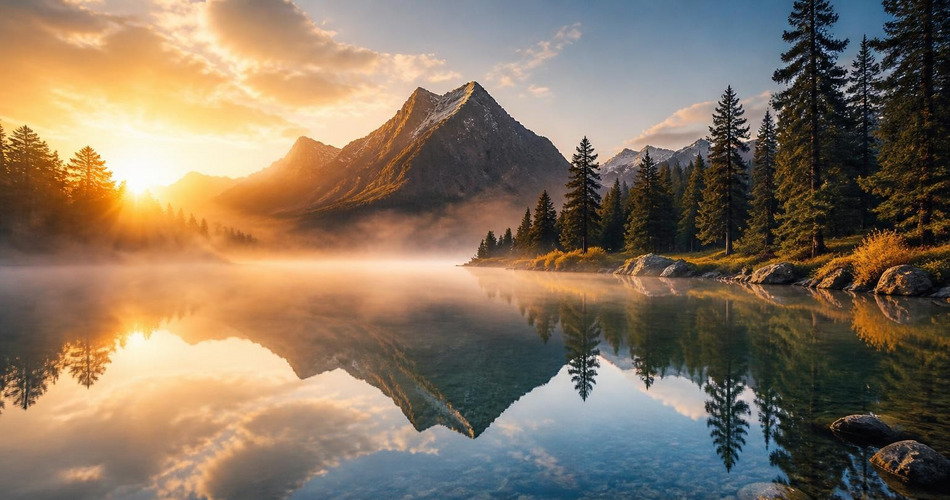
Still water primarily symbolizes calm and serenity. A motionless body of water—such as a pond, lake, or quiet pool—evokes a sense of stillness that contrasts with the constant movement of rivers or oceans. This stillness makes it a natural emblem for meditation, introspection, and emotional balance. The reflective surface of still water also represents clarity of thought and the ability to see oneself clearly, both literally and metaphorically.
Beyond calm, still water can symbolize depth and hidden complexity. What lies beneath the surface may be unknown, suggesting secrets, subconscious thoughts, or untapped potential. In many traditions, still water is a threshold between the visible world and the unseen, linking it to mystery and the unknown.
Positive and Negative Meanings
Positive associations: Still water is widely seen as a symbol of peace, patience, and emotional stability. It encourages quiet reflection and a meditative state of mind. In stressful times, the image of still water can represent a safe haven or a moment of respite. It also signifies clarity—when water is still, one can see through it more easily, just as a calm mind allows clear thinking.
Negative meanings: On the darker side, still water can imply stagnation, lack of progress, or hidden dangers. Water that does not move may become murky or breed disease, symbolizing emotional stagnation or unresolved issues. The stillness can also feel eerie or ominous, suggesting that something lurks beneath the surface—a metaphor for repressed fears or concealed threats.
History and Origins of the Symbolism
The symbolism of still water is ancient and cross-cultural. Early human settlements often formed around still bodies of water like lakes and ponds, which provided sustenance and a sense of security. In many mythologies, still water is associated with creation and primordial chaos—the idea of a calm, boundless ocean before the world was formed. The phrase “still waters run deep” dates back to at least the 15th century in English, capturing the idea that quiet exteriors often hide profound depth. This proverb appears in various forms across European languages, reflecting a long-standing recognition of still water’s dual nature.
Symbolism in Different Cultures
In East Asian traditions, still water is central to Zen Buddhism and Taoism. A calm pond is a common metaphor for the mind at peace—free from ripples of desire or distraction. Japanese rock gardens often feature still water or its symbolic representation in raked gravel, emphasizing tranquility and meditation. In Hinduism, still water appears in sacred ponds and temple tanks, used for ritual purification and as a symbol of spiritual stillness. In Western cultures, still water is often linked to romantic poetry and landscape painting, where it evokes solitude and reflection. The Lake Poets like Wordsworth celebrated quiet lakes as places of inspiration and inner calm.
Spiritual Meaning
Spiritually, still water represents a state of inner quietude and readiness for insight. Many meditation practices use the image of a still lake to train the mind to become calm and clear. In Christian symbolism, still water can appear in references to “still waters” in Psalm 23, where it signifies divine peace and restoration. In modern spiritual contexts, still water is associated with the subconscious mind—its surface reflects the conscious world, while its depths hold hidden emotions and memories. Achieving stillness is seen as a path to self-awareness and enlightenment.
In Myths and Folklore
Still water appears in myths and folklore around the world, often as a dwelling place for spirits or as a boundary between worlds. In European folklore, still ponds and lakes are said to be home to water nymphs, selkies, or the Lady of the Lake from Arthurian legend. These beings often grant gifts or lure travelers into the water, reflecting the dual nature of still water as both benevolent and dangerous. In Japanese folklore, still water is associated with kappa, water spirits that inhabit rivers and ponds. In many Native American traditions, still water is a place of vision quests and spiritual cleansing, where the quiet allows one to hear the voice of nature.
In Dreams
Dreaming of still water often reflects the dreamer’s emotional state. A calm, clear pool suggests peace and emotional clarity, while murky or dark still water may indicate confusion or hidden feelings. The condition of the water—whether it is transparent, muddy, or icy—can provide clues about the dreamer’s subconscious. Still water in dreams is also a symbol of reflection, both literally and figuratively, urging the dreamer to look inward and examine their true feelings.
Common Dream Scenarios
- Clear, calm still water: Represents inner peace, clarity, and emotional balance. It may indicate a period of tranquility or a need for rest.
- Murky or muddy still water: Suggests confusion, unresolved emotions, or hidden aspects of the self that need attention.
- Frozen still water: Symbolizes emotional coldness, stagnation, or a situation that has become stuck. It may also indicate repressed feelings.
- Reflecting surface in still water: Encourages self-examination and introspection. The dreamer may be seeing themselves or their situation more clearly.
- Disturbing still water (ripples or sudden movement): Warns of upcoming change or emotional disturbance. It can represent a breakthrough or a disruption of peace.
In Superstitions and Omens
Superstitions about still water vary by culture. In some traditions, it is considered unlucky to disturb a still pond at night, as it might anger water spirits. In others, seeing a perfectly still lake at dawn is a good omen, promising a day of peace and success. Fishermen often regard still water as a sign of good fishing, but also as a warning that the water may be too calm for wind to fill sails. In European folk belief, still water that suddenly ripples without wind is thought to indicate the presence of a ghost or supernatural force.
Frequently Asked Questions
Q: What does still water symbolize in literature?
A: In literature, still water often symbolizes peace, reflection, and the hidden depths of a character’s psyche. It can also represent stagnation or danger when the water is murky or ominously quiet.
Q: Is still water always a positive symbol?
A: No, still water can have negative connotations such as stagnation, hidden threats, or emotional repression. Its meaning depends on context and the condition of the water.
Q: What is the origin of the phrase “still waters run deep”?
A: The phrase dates back to at least the 15th century and appears in various forms in English and other languages. It suggests that quiet or reserved people often have profound thoughts or strong emotions beneath the surface.
Related Symbols
- Lake – a larger body of still water, often symbolizing the subconscious or a place of retreat.
- Pond – a small, contained still water body, representing introspection and personal reflection.
- Mirror – shares the reflective quality of still water, symbolizing self-awareness and truth.
- Calm Sea – still water on a grand scale, associated with peace and vast potential.
- Ice – frozen still water, representing emotional coldness or a state of suspended animation.