Briefly
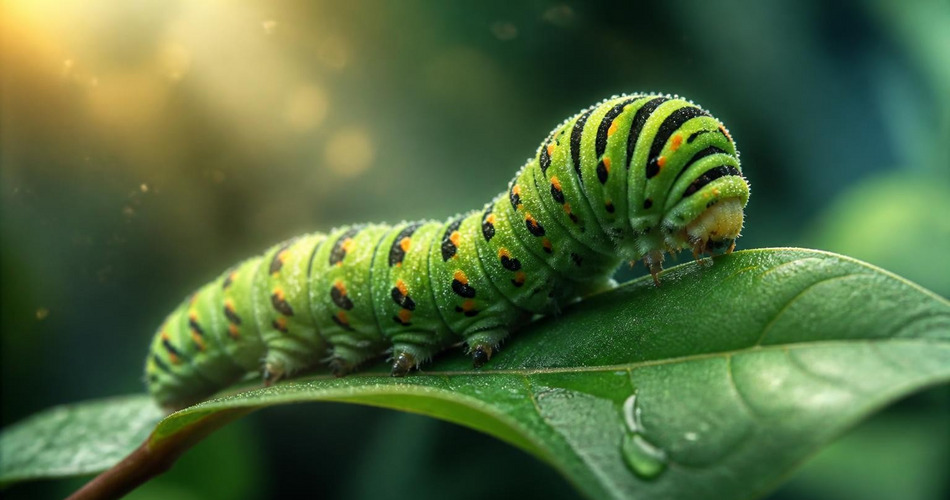
The caterpillar is a powerful symbol of transformation, patience, and potential. As the larval stage of butterflies and moths, it represents the beginning of a profound metamorphosis, reminding us that growth often requires time and gradual change. Its slow, steady movement and voracious appetite for leaves also symbolize the process of consuming knowledge or experiences before a major life shift.
What Does the Caterpillar Symbolize?
The caterpillar primarily symbolizes transformation and the potential for radical change. Its life cycle—from egg to larva to pupa to adult—serves as a metaphor for personal growth, spiritual evolution, and the journey of self-discovery. The caterpillar also represents patience, as it must wait and undergo a hidden transformation before emerging as a butterfly. Additionally, it can symbolize abundance and fertility due to its rapid consumption of plant matter.
Positive and Negative Meanings
Positive associations: The caterpillar is often seen as a symbol of hope, new beginnings, and the promise of future beauty. It encourages perseverance through difficult times, reminding us that even the most mundane stages of life can lead to extraordinary outcomes. In many cultures, spotting a caterpillar is considered a good omen, signaling impending change or a period of growth.
Negative meanings: Some view the caterpillar negatively due to its destructive feeding habits, which can harm crops and gardens. It can also represent stagnation or a lack of progress, as it moves slowly and spends much of its life in a seemingly inactive state. In certain contexts, the caterpillar’s hairy or spiky appearance evokes fear or disgust, linking it to ideas of ugliness or repulsion.
History and Origins of the Caterpillar Symbolism
The symbolism of the caterpillar is deeply rooted in its biological life cycle, which has been observed by humans for millennia. Ancient cultures recognized the dramatic transformation from caterpillar to butterfly as a powerful metaphor for rebirth and the soul’s journey. In early Christian art, the caterpillar was sometimes used to represent the faithful undergoing spiritual transformation before resurrection. The word “caterpillar” itself comes from Old French “chatepelose,” meaning “hairy cat,” reflecting its appearance. Over time, the caterpillar became a universal emblem of change and potential.
Caterpillar Symbolism in Different Cultures
In Chinese culture, the caterpillar is associated with patience and the promise of beauty, as it is the precursor to the butterfly, a symbol of joy and marital bliss. Native American traditions often view the caterpillar as a symbol of slow but steady progress, teaching the value of patience and the importance of trusting the process of life. In some African folklore, caterpillars are seen as messengers of rain or abundance, as their appearance often coincides with seasonal changes. Western cultures frequently use the caterpillar in children’s literature and educational contexts to illustrate the concept of metamorphosis.
Spiritual Meaning of the Caterpillar
Spiritually, the caterpillar represents the soul’s journey toward enlightenment. Its transformation mirrors the process of inner alchemy, where the base self is refined into a higher state of being. The caterpillar’s time in the cocoon symbolizes a period of introspection, meditation, and spiritual retreat, necessary for profound personal change. Many spiritual traditions see the caterpillar as a reminder that growth often happens in the dark, unseen by others, but leading to a brilliant emergence.
Caterpillar in Myths and Folklore
While not as prominent as the butterfly, the caterpillar appears in various folk traditions. In European folklore, caterpillars were sometimes believed to be omens of good luck if found on one’s clothing. In some Native American stories, the caterpillar is a teacher of patience and a symbol of the earth’s abundance. The caterpillar also features in traditional fables that teach lessons about inner beauty and transformation. However, specific myths are less common than those surrounding the butterfly.
Caterpillar in Dreams
In dream interpretation, the caterpillar often symbolizes a period of transition or personal growth. Dreaming of a caterpillar may indicate that you are in the early stages of a major life change, preparing for a transformation. It can also represent feelings of vulnerability or being in a state of waiting. Some dream analysts suggest that the caterpillar’s slow movement reflects a need for patience and trust in the process of change.
Common Dream Scenarios
- Seeing a caterpillar on a leaf: This may symbolize new opportunities or ideas that need time to develop.
- A caterpillar crawling on your body: Could represent a personal transformation that feels invasive or uncomfortable.
- Finding a caterpillar in your home: Might indicate that change is coming into your personal life or domestic sphere.
- A caterpillar turning into a butterfly: A direct symbol of successful transformation and achieving your potential.
Caterpillar in Superstitions and Omens
In some folk traditions, caterpillars are considered weather predictors. For example, the woolly bear caterpillar is said to predict the severity of the upcoming winter based on the width of its brown bands. Seeing a caterpillar in spring is often taken as a sign of good luck and a fruitful season ahead. In contrast, finding a caterpillar inside the house might be seen as an omen of impending change, either positive or negative depending on local beliefs.
Caterpillar in Art and Literature
One of the most famous caterpillars in literature is the Caterpillar in Lewis Carroll’s Alice’s Adventures in Wonderland (1865). This enigmatic creature sits on a mushroom and asks Alice, “Who are you?”—a question that prompts her own journey of self-discovery. The caterpillar’s transformation into a butterfly at the end of the story mirrors Alice’s own growth. Another well-known example is Eric Carle’s The Very Hungry Caterpillar (1969), a beloved children’s book that uses the caterpillar’s life cycle to teach counting, days of the week, and the process of metamorphosis. In art, the caterpillar has been depicted in various contexts, often as a symbol of transformation in surrealist works.
Caterpillar Tattoo Meaning
A caterpillar tattoo often symbolizes personal growth, transformation, and the journey toward becoming one’s true self. It can represent a period of change that the wearer has undergone or is currently experiencing. Some choose a caterpillar tattoo to remind themselves of the beauty of patience and the importance of trusting the process of life. The tattoo may also be paired with a butterfly or cocoon to emphasize the theme of metamorphosis.
Meanings of Different Caterpillar Types or Colors
The symbolism of a caterpillar can vary based on its appearance. Brightly colored caterpillars, such as those with striking patterns, may symbolize warning or toxicity, reflecting their natural defense mechanisms. Hairy caterpillars often evoke a sense of caution or the need for protection. In some contexts, the color green is associated with growth and renewal, while black or dark caterpillars may represent the unknown or the shadow self. However, specific meanings are not universally standardized.
Frequently Asked Questions about Caterpillar Symbolism
Q: What does a caterpillar symbolize in general?
A: The caterpillar generally symbolizes transformation, patience, and the potential for growth and change.
Q: Is a caterpillar a good omen?
A: In many cultures, seeing a caterpillar is considered a positive omen, indicating impending change or good fortune.
Q: What does a caterpillar tattoo mean?
A: A caterpillar tattoo often represents personal transformation, the journey of self-discovery, and the beauty of patience.
Q: How is the caterpillar used in literature?
A: The caterpillar appears in works like Alice’s Adventures in Wonderland and The Very Hungry Caterpillar, often symbolizing transformation and growth.
Related Symbols
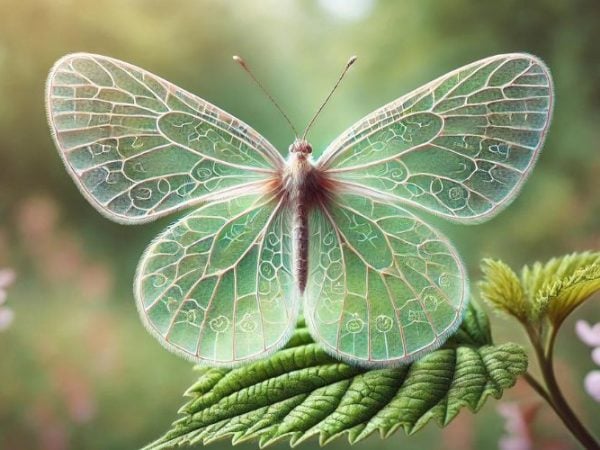
- Butterfly: The final stage of metamorphosis, symbolizing beauty and freedom.
- Cocoon: Represents the hidden period of transformation and protection.
- Chrysalis: Another term for the pupal stage, emphasizing the process of change.
- Metamorphosis: The broader concept of transformation that the caterpillar embodies.
- Larva: The scientific term, highlighting the early stage of development.