Briefly
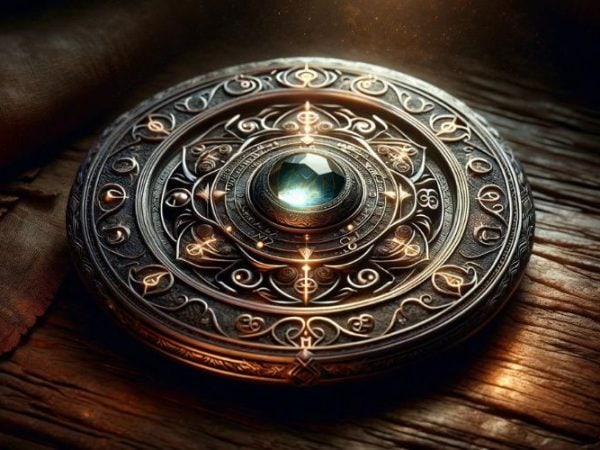
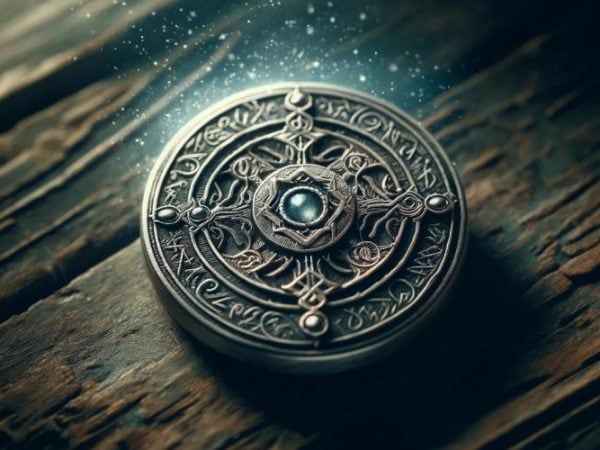
A talisman is an object believed to hold magical or spiritual powers, often carried or worn to bring good luck, protection, or specific benefits to its owner. Unlike amulets, which are primarily protective, talismans are thought to actively channel energy or attract desired outcomes. They appear in virtually every culture and era, from ancient engraved stones to modern lucky charms, and their symbolism is deeply tied to human hopes, fears, and the desire to influence fate.
What Does Talisman Symbolize?
Talismans symbolize the human wish to control or influence unseen forces. At their core, they represent protection, luck, and the channeling of spiritual energy. A talisman is often created with a specific intention — such as attracting love, wealth, health, or success — and is believed to be charged with that purpose through rituals, symbols, or materials. The object itself becomes a physical anchor for the wearer’s faith or intention, bridging the material and spiritual worlds.
Common symbolic meanings include safety from harm, warding off evil spirits or misfortune, enhancing personal power or charisma, and facilitating communication with divine or supernatural entities. The specific symbols engraved or attached to a talisman — such as stars, crosses, runes, or animal figures — add layers of meaning tied to the culture and tradition from which they come.
Positive and Negative Meanings
Positive associations: Talismans are overwhelmingly viewed as positive objects that bring good fortune, protect against danger, and empower the bearer. They can instill confidence, reduce anxiety, and serve as a focal point for meditation or prayer. In many traditions, a talisman is seen as a gift from a higher power or a wise elder, carrying blessings and positive energy.
Negative meanings: Some cultures warn that talismans can be misused for selfish or harmful purposes, such as cursing others or manipulating free will. There is also a risk of over-reliance, where a person may neglect practical action and instead place all faith in the object. In certain religious contexts, talismans are condemned as superstitious or even demonic, seen as a form of idolatry that distracts from true faith.
History and Origins of Talisman Symbolism
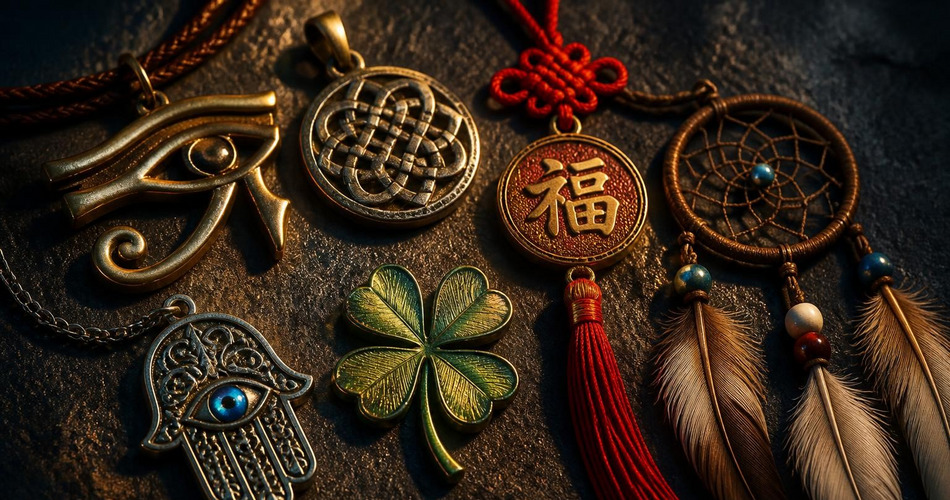
The use of talismans dates back to prehistoric times, with carved stones and animal bones found in ancient burial sites believed to have protective functions. In ancient Egypt, talismans were placed in tombs to guide and protect the deceased; the Eye of Horus was a common symbol for health and protection. Mesopotamian cultures used cylinder seals as talismans, engraved with divine images to ward off evil.
In classical Greece and Rome, talismans were often inscribed with magical formulas or planetary symbols, linked to astrology and the belief that celestial bodies influenced earthly events. Medieval Europe saw the rise of grimoires — books of magic — that provided instructions for crafting talismans from specific metals, gemstones, and symbols, often aligned with astrological hours. The Renaissance revived interest in Hermetic and Neoplatonic ideas, where talismans were seen as tools to harness cosmic powers. In Islamic and Jewish traditions, talismans often featured sacred names or verses from scripture, blending religious devotion with folk magic.
Talisman Symbolism in Different Cultures
In East Asian cultures, talismans such as the Chinese fu (protective charms) or Japanese omamori are widely used for luck, health, and safety. They are often purchased at temples and shrines, blessed by priests, and carried in bags or hung in homes. The symbols used — such as the bagua, yin-yang, or specific deities — reflect Taoist and Buddhist cosmology.
In African traditions, talismans known as gris-gris or nkisi are created by shamans or healers, incorporating herbs, stones, bones, and written prayers. They serve to protect against witchcraft, attract love, or ensure success in hunting or business. The objects are considered alive with spiritual force and must be treated with respect.
In Native American cultures, dream catchers are a well-known talisman, originally made by Ojibwe people to filter dreams — letting good dreams pass and trapping nightmares. Other talismans include medicine bundles, feathers, and carved fetishes, each carrying the power of the animal or spirit it represents.
In European folk traditions, talismans such as the rabbit’s foot, horseshoe, or four-leaf clover are common for luck. More elaborate talismans were crafted by alchemists and ceremonial magicians, often based on the Seal of Solomon or planetary sigils, intended to invoke specific spirits or energies.
Spiritual Meaning of Talisman
Spiritually, a talisman is a tool for focusing intention and connecting with higher realms. Many practitioners believe that the material from which a talisman is made — such as silver, gold, or a specific gemstone — resonates with particular spiritual frequencies. The act of creating or consecrating a talisman often involves prayer, meditation, or ritual cleansing to imbue it with sacred purpose.
In Western esotericism, talismans are considered to be “batteries” of spiritual energy, charged by the will of the maker and the alignment of planetary hours. They are used in ceremonial magic to attract love, wealth, protection, or spiritual insight. In Eastern traditions, talismans may be empowered by mantras or blessings from enlightened beings, serving as reminders of the divine and aids on the spiritual path.
Talisman in Myths and Folklore
Myths and folklore are rich with tales of powerful talismans. In Arthurian legend, the Holy Grail is a talismanic object that grants eternal life and spiritual enlightenment. The Ring of Gyges from Plato’s story granted invisibility, raising moral questions about power. In Norse mythology, the Draupnir ring of Odin produced new rings every nine nights, symbolizing abundance.
In Arabic folklore, the Aladdin’s lamp is a talisman that summons a genie to fulfill wishes. Many cultures have stories of talismans that bring misfortune if misused, such as the Monkey’s Paw in W.W. Jacobs’ horror story, where wishes come true with tragic consequences. These tales often serve as cautionary reminders that talismans are not to be taken lightly.
Talisman in Dreams
Dreaming of a talisman often reflects the dreamer’s desire for protection, guidance, or a sense of control in waking life. It may appear during times of uncertainty or transition, symbolizing the need to harness inner strength or seek external support. The specific type of talisman and its condition in the dream can offer clues: a broken talisman might indicate lost faith or vulnerability, while a glowing one suggests empowerment.
In some dream interpretation traditions, receiving a talisman from a wise figure represents a gift of wisdom or a spiritual blessing. Losing a talisman may signify feelings of insecurity or a warning to pay attention to neglected areas of life.
Common Dream Scenarios
- Finding a talisman: Suggests discovering hidden resources, inner strength, or a new opportunity for protection and growth.
- Losing a talisman: May indicate a loss of confidence, fear of losing protection, or a need to re-evaluate one’s spiritual practices.
- Receiving a talisman as a gift: Often symbolizes acceptance, support from others, or a new phase of spiritual development.
- A talisman that glows or pulses: Represents activated spiritual energy, a strong connection to intuition, or an impending positive change.
- A broken or damaged talisman: Warns of weakened defenses, neglected self-care, or the need to repair a broken trust or belief.
Talisman in Superstitions and Omens
Superstitions surrounding talismans are widespread. Many people carry a lucky charm — such as a four-leaf clover, rabbit’s foot, or horseshoe — believing it will ward off bad luck. In some cultures, it is considered bad luck to buy a talisman for oneself; it should be received as a gift to be effective. Others believe that a talisman loses its power if it is touched by someone else, or if it is dropped or broken.
In Italian folklore, the cornicello (little horn) is a talisman worn to protect against the evil eye. In Turkish culture, the nazar (blue eye bead) is hung in homes and cars to deflect envy and harm. In Hindu tradition, the rudraksha bead is considered a talisman of Lord Shiva, bringing peace and protection. Breaking a talisman is often seen as an omen of misfortune or a sign that its protective energy has been exhausted.
Talisman in Art and Literature
Talismans appear prominently in art and literature as symbols of power, mystery, and moral dilemmas. In Sir Walter Scott’s novel The Talisman (1825), a magical amulet plays a central role in the Crusades, healing wounds and influencing fate. J.R.R. Tolkien’s The Lord of the Rings features the One Ring as a talisman of immense power that corrupts its bearer — a cautionary tale about the dangers of seeking control through magical objects.
In visual art, talismans are often depicted in still-life paintings and religious iconography. Renaissance artists like Albrecht Dürer included talismanic symbols in engravings such as Melencolia I, where a magic square and other objects allude to esoteric knowledge. Contemporary films like Indiana Jones and the Last Crusade feature the Holy Grail as a talisman of eternal life, while The Mummy uses ancient Egyptian talismans as plot devices.
Talisman Tattoo Meaning
Tattoos of talismanic symbols are popular as permanent protective charms. Common designs include the Eye of Horus, Hamsa hand, dream catcher, cross, star, or runes. People choose these tattoos to invoke the same protective or luck-bringing qualities as a physical talisman, but with the added permanence of ink on skin.
The meaning of a talisman tattoo is deeply personal. It may represent a wish for safety during travel, a connection to one’s heritage, a reminder of a spiritual practice, or a symbol of overcoming hardship. Placement is often chosen for visibility or proximity to the area needing protection — for example, a Hamsa on the back of the neck to ward off the evil eye, or a rune on the wrist for strength.
Meanings of Different Types of Talismans
- Gemstone talismans: Each stone is believed to carry specific energies — amethyst for protection, rose quartz for love, jade for luck. They are often worn as jewelry or carried in pouches.
- Astrological talismans: Created for a specific planetary hour or zodiac sign, these talismans are inscribed with symbols and sigils to attract the influences of that celestial body.
- Religious talismans: Crosses, prayer beads, scripture verses, and images of saints or deities are used to invoke divine protection and blessings.
- Animal talismans: Feathers, claws, teeth, or images of animals like the eagle, wolf, or bear are used to channel the animal’s qualities — courage, wisdom, or strength.
- Written talismans: Scrolls or papers inscribed with prayers, names of angels, or magical formulas are folded and carried or placed in homes for protection.
Frequently Asked Questions
Q: What is the difference between a talisman and an amulet?
A: An amulet is primarily protective, worn to ward off evil or harm. A talisman is more active, intended to attract specific benefits like luck, love, or power. However, the terms are often used interchangeably in popular culture.
Q: Can a talisman lose its power?
A: Many traditions believe that a talisman can lose its power if it is broken, touched by someone else, or if the original intention fades. Some require periodic recharging through rituals, sunlight, moonlight, or prayer.
Q: How do I choose a talisman?
A: Choose a talisman that resonates with your intention — a symbol, material, or tradition that feels meaningful. Many people select one based on their cultural heritage, astrological sign, or personal intuition. It is often recommended to receive a talisman as a gift or to consecrate it yourself.
Q: Are talismans considered evil in some religions?
A: Some religious traditions, particularly certain branches of Christianity and Islam, view talismans as superstitious or idolatrous, warning against reliance on objects rather than faith in God. Others, like folk Catholicism or Sufi Islam, incorporate talismanic practices as part of popular devotion.
Related Symbols
- Amulet — protective charm, often worn
- Hamsa — hand-shaped talisman against evil eye
- Evil Eye — curse or protection symbol
- Dream Catcher — Native American talisman for dream protection
- Seal of Solomon — powerful talismanic symbol in occult traditions
- Four-Leaf Clover — luck-bringing talisman
- Horseshoe — protective talisman in European folklore
- Rune — alphabetic symbols used as talismans in Norse tradition