Briefly
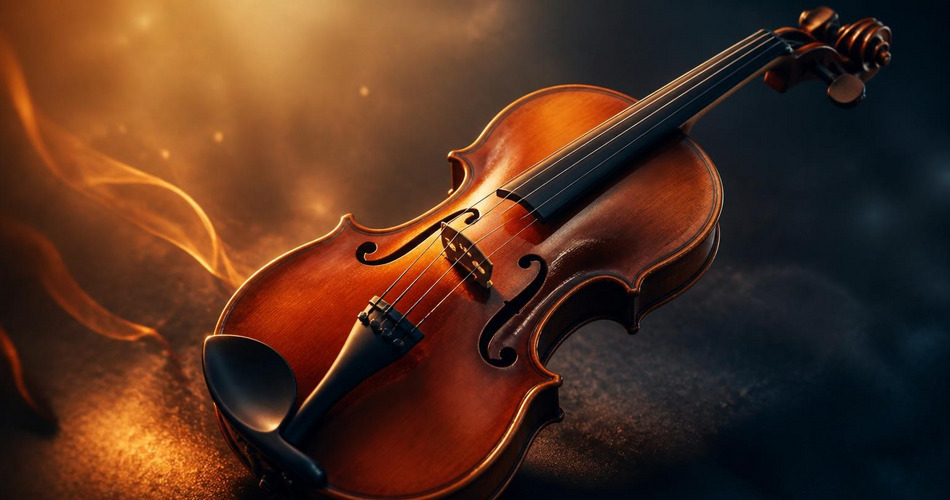
The violin is a string instrument that has long symbolized emotional depth, artistic expression, and the power of music to convey both joy and sorrow. Its rich, versatile sound makes it a symbol of romance, melancholy, and the sublime beauty of human creativity. Across cultures, the violin represents not only musical mastery but also the transient nature of life, often evoking feelings of nostalgia and longing. Whether in classical concert halls or folk traditions, the violin remains a powerful emblem of the human spirit’s capacity for expression and connection.
What Does the Violin Symbolize?
The violin symbolizes a wide range of human emotions and experiences. At its core, it represents emotional expression — the ability to communicate feelings that words cannot capture. Its sound can be tender and soothing or passionate and intense, making it a metaphor for the full spectrum of human emotion. The violin is also a symbol of artistic mastery, requiring years of dedicated practice to produce its characteristic tone. In many contexts, it embodies romance and elegance, often associated with courtly love, serenades, and refined culture. Additionally, the violin can signify melancholy and nostalgia, as its music frequently evokes a sense of longing or remembrance.
Positive and Negative Meanings
Positive associations: The violin is widely seen as a symbol of beauty, grace, and emotional healing. Its music can uplift spirits, inspire creativity, and foster a sense of peace and harmony. In many traditions, the violin is linked to love, courtship, and celebration, playing a central role in weddings, festivals, and joyous gatherings.
Negative meanings: On the darker side, the violin can represent sorrow, tragedy, and the fleeting nature of happiness. Its mournful tones are often used in funeral music or to express deep grief. In folklore and superstition, the violin has been associated with the devil or dark forces, as in the legend of the virtuoso who sells his soul for unparalleled skill. This duality gives the violin a complex symbolic weight.
History and Origins of Violin Symbolism
The violin as we know it emerged in 16th-century Italy, evolving from earlier bowed instruments like the rebec and the lira da braccio. Its symbolism quickly became tied to the cultural movements of the Renaissance and Baroque periods, where music was seen as a reflection of cosmic harmony and human emotion. The violin’s ability to produce a singing tone made it a favorite of composers and performers, and it soon became a symbol of artistic excellence and refined taste. By the 19th century, the Romantic era elevated the violin to an icon of individual expression and passionate feeling, with virtuosos like Niccolò Paganini embodying both its sublime beauty and its potential for diabolical association. This historical trajectory cemented the violin’s place as a symbol of both divine inspiration and human struggle.
Violin Symbolism in Different Cultures
In Western classical music, the violin is often a symbol of sophistication, discipline, and the pursuit of perfection. It appears in orchestras and chamber ensembles as a voice of melody and emotion. In folk traditions, such as Irish, Scottish, and American bluegrass, the fiddle (a violin played in a folk style) represents community, storytelling, and joyous celebration. The violin also holds significance in Romani culture, where it is a central instrument in expressing both joy and sorrow, often accompanying dances and rituals. In some Eastern European traditions, the violin is associated with the soul’s journey, its music believed to bridge the earthly and spiritual realms. In contrast, in parts of Asia, the violin was adopted more recently and symbolizes modernity and global cultural exchange, while still retaining its emotional resonance.
Spiritual Meaning of the Violin
Spiritually, the violin is often seen as a conduit for the soul’s voice. Its music can evoke a sense of transcendence, connecting listeners to something greater than themselves. In many meditative and healing practices, the violin’s tone is used to promote relaxation, emotional release, and inner peace. The instrument’s shape — with its curved body and f-holes — is sometimes interpreted as a symbol of the human form, representing the union of body and spirit. The act of playing the violin can be a form of prayer or devotion, where the musician becomes a vessel for divine inspiration. This spiritual dimension is especially prominent in sacred music, where the violin has been used in church services and religious ceremonies to express worship and reverence.
Violin in Dreams
Dreaming of a violin often relates to emotions, creativity, and the need for self-expression. A violin in a dream may indicate a desire to communicate feelings that are difficult to articulate in waking life. It can also symbolize harmony or discord in relationships, depending on the context of the dream. The condition of the violin — whether it is in tune, broken, or being played beautifully — provides further insight into the dreamer’s emotional state. For musicians, dreaming of a violin may reflect their passion for music or anxieties about performance. For non-musicians, it may represent a longing for beauty, art, or a more expressive life.
Common Dream Scenarios
- Playing a violin beautifully: Indicates emotional fulfillment, creative success, or a harmonious relationship.
- A broken or silent violin: Suggests suppressed emotions, grief, or a sense of loss in one’s life.
- Hearing a violin but not seeing it: Represents a hidden message or an unconscious desire that needs to be acknowledged.
- Struggling to play the violin: Reflects feelings of inadequacy, fear of failure, or difficulty expressing oneself.
- A violin being played by someone else: May symbolize admiration for another’s talent or a feeling of being emotionally moved by someone.
Violin in Art and Literature
The violin has inspired countless works of art and literature. In painting, Marc Chagall’s The Violinist (1912) uses the instrument as a symbol of Jewish folk culture and the joy of music. Pablo Picasso’s The Old Guitarist (1903) — though featuring a guitar — similarly evokes the pathos of a musician, and his later cubist works often include violins to explore form and perspective. In literature, the novel The Red Violin (1998) by Elizabeth W. (based on the film) traces the journey of a legendary violin across centuries, symbolizing the enduring power of art and the sacrifices made for beauty. In poetry, the violin frequently appears as a metaphor for the soul’s voice, as in Rainer Maria Rilke’s Sonnets to Orpheus, where music and string instruments represent the eternal dialogue between life and death. These examples show how the violin transcends its physical form to become a profound symbol of human experience.
Violin Tattoo Meaning
A violin tattoo often symbolizes a deep love for music, artistic identity, or a personal connection to the instrument. For musicians, it can represent dedication to their craft and the emotional release that music provides. For others, a violin tattoo may signify elegance, romance, or a tribute to a loved one who played the instrument. The design can be simple and minimalist or elaborate with musical notes, roses, or other elements. A broken violin tattoo might indicate a past loss or a period of emotional struggle, while a violin with wings can symbolize the freedom found in music. Overall, the violin tattoo is a personal emblem of creativity, passion, and the beauty of expression.
Frequently Asked Questions
Q: What does a violin symbolize in a relationship?
A: In relationships, the violin often symbolizes romance, harmony, and emotional intimacy. Its music can represent the delicate balance between two people and the beauty of shared feelings.
Q: Is the violin a symbol of sadness?
A: Yes, the violin is frequently associated with sadness and melancholy due to its ability to produce mournful, poignant tones. However, it also symbolizes joy and celebration, depending on the context.
Q: What does it mean if you dream of a violin?
A: Dreaming of a violin typically relates to emotions, creativity, and the need for self-expression. The specific details of the dream — such as whether the violin is being played or broken — offer further clues about your emotional state.
Q: Why is the violin often linked to the devil?
A: The association comes from folklore, particularly the legend of Niccolò Paganini, whose extraordinary skill was rumored to be the result of a pact with the devil. This connection has persisted in stories and superstitions, giving the violin a dual nature of divine and diabolical inspiration.
Related Symbols
- Cello — A larger string instrument with deeper, more resonant tones, often symbolizing solemnity and introspection.
- Guitar — A versatile string instrument representing folk culture, rebellion, and popular music.
- Harp — An ancient string instrument associated with angels, heaven, and poetic inspiration.
- Piano — A keyboard instrument symbolizing harmony, structure, and the full range of human emotion.
- Music Notes — Universal symbols of melody, rhythm, and the language of the soul.