Briefly
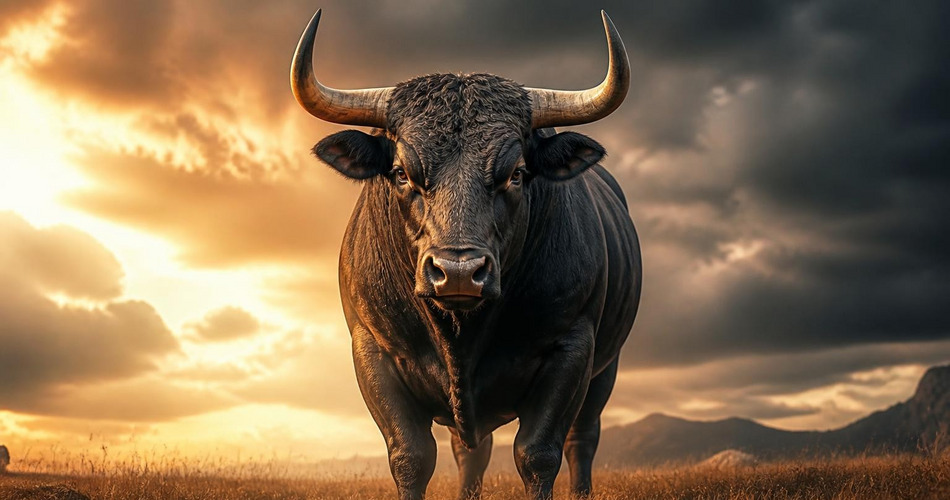
The bull is one of the most powerful and enduring animal symbols in human history, representing raw strength, fertility, and unyielding determination. Across cultures, it has been revered as a sacred creature, a symbol of masculine virility, and an emblem of both creative and destructive forces. Its meaning often balances between the noble protector and the aggressive force of nature, making it a complex symbol that appears in mythology, religion, art, and everyday superstition.
What Does the Bull Symbolize?
The bull primarily symbolizes physical power, authority and virility. Its muscular build and commanding presence make it a natural representation of physical might and endurance. In many traditions, the bull also embodies fertility and abundance, linked to the earth’s life-giving forces. At the same time, its stubbornness and aggressive temperament can symbolize uncontrolled rage, obstinacy, and the dangerous aspects of raw power. The bull often represents the dual nature of life—creation and destruction, gentleness and fury.
Positive and Negative Meanings
Positive associations: The bull is widely seen as a symbol of courage, steadfastness and reliability. It represents fertility, prosperity, and the life-giving energy of the sun and earth. In agriculture, the bull’s role in plowing and breeding ties it to abundance and hard work. Its unwavering nature also symbolizes reliability and protection.
Negative meanings: On the negative side, the bull can signify stubbornness, aggression, and uncontrolled anger. Its charging behavior is often used as a metaphor for blind rage or destructive impulses. In some contexts, the bull represents brute force without intelligence, or the oppressive power of tyranny.
History and Origins of Bull Symbolism
The bull has been a symbol since prehistoric times, with cave paintings in Lascaux and other sites depicting bulls as early as 15,000 BCE. In ancient Mesopotamia, the bull was associated with the god Enlil and later with the zodiac sign Taurus. The Minoan civilization on Crete revered the bull, as seen in the famous fresco of bull-leaping. In ancient Egypt, the Apis bull was worshipped as a manifestation of the god Ptah and later Osiris. The bull’s symbolism spread through the Mediterranean, India, and Europe, often linked to sky gods, fertility rites, and royal power.
Bull Symbolism in Different Cultures
In Hinduism, the bull Nandi is the sacred mount of Lord Shiva, symbolizing strength, loyalty, and dharma. Nandi is often depicted seated at Shiva’s temples, representing the devotee’s steadfastness. In Celtic culture, the bull was a symbol of wealth and status, and the mythical Táin Bó Cúailnge (The Cattle Raid of Cooley) centers on a prized bull. In ancient Greece, the bull was associated with Zeus, who famously transformed into a white bull to abduct Europa. The bull also featured in the myth of the Minotaur, a half-man, half-bull creature representing hidden primal forces. In Norse mythology, the primeval cow Audhumla licked the first god Buri from the ice, linking the bovine to creation. In Native American traditions, the buffalo (a close relative) was a provider of life, but the bull specifically was seen as a symbol of abundance and strength.
Spiritual Meaning of the Bull
Spiritually, the bull represents groundedness, determination, and the ability to manifest goals through sheer willpower. It is often seen as a totem animal that teaches patience and the value of steady progress. In many shamanic traditions, the bull spirit guides individuals to tap into their inner strength and face challenges head-on. The bull’s connection to the earth makes it a symbol of stability and material success, while its solar associations link it to vitality and life force.
Bull in Myths and Folklore
The bull appears in numerous myths worldwide. In Greek mythology, the Cretan Bull was captured by Heracles as one of his labors, and the Minotaur was the offspring of Queen Pasiphaë and a bull sent by Poseidon. In Mesopotamian myth, the Bull of Heaven was sent by the goddess Ishtar to punish Gilgamesh. In Hindu mythology, the bull Nandi is both a vehicle and a gatekeeper for Shiva. In Celtic folklore, the bull was a symbol of sovereignty and was often involved in ritual battles. In African traditions, the bull is associated with rain-making and fertility ceremonies.
Bull in Dreams
Dreaming of a bull often reflects the dreamer’s relationship with power, anger, or sexuality. A charging bull may indicate repressed aggression or a looming threat, while a calm bull can symbolize inner strength and stability. The context of the dream—whether the bull is attacking, grazing, or being ridden—provides clues to its meaning. Dreams of bulls are common during times of conflict or when facing major life decisions.
Common Dream Scenarios
- Being chased by a bull: Suggests you are avoiding a powerful issue or emotion that demands attention.
- A calm bull: Represents inner peace, strength, and control over your instincts.
- Riding a bull: Indicates confidence and mastery over challenging situations.
- A bull attacking: May symbolize external pressure, conflict, or your own suppressed anger.
- A dead bull: Could signify the end of a period of struggle or the loss of power.
Bull in Superstitions and Omens
In many cultures, encountering a bull is seen as either a good or a bad omen, depending on its behavior. A bull standing calmly is seen as a sign of prosperity and protection, while an aggressive bull warns of impending conflict. In some rural traditions, a bull’s bellow at night is thought to foretell death or disaster. In Spanish culture, the bullfight is a ritualized confrontation that symbolizes the struggle between man and nature, though it is also controversial. In astrology, those born under Taurus (the bull) are said to be stubborn, reliable, and sensual.
Bull in Art and Literature
The bull has been a prominent subject in art and literature for millennia. In ancient Minoan art, the bull-leaping fresco at Knossos depicts acrobats vaulting over a bull, symbolizing human mastery over nature. In Pablo Picasso’s Guernica, the bull represents brutality and the Spanish Civil War’s horrors. In literature, the bull appears in the epic Gilgamesh as the Bull of Heaven, and in the Irish epic Táin Bó Cúailnge, the bull is the central object of a war. In modern poetry, Ted Hughes’s poem The Bull Moses explores the bull’s raw power and mystery. The bull also features in films like The Bull and in corporate logos, symbolizing strength and reliability.
Bull Tattoo Meaning
A bull tattoo often symbolizes strength, courage, and determination. It can represent a person’s unyielding nature or their connection to the earth and fertility. In some designs, the bull is combined with other elements like the sun or tribal patterns to emphasize its solar and masculine energy. The bull tattoo is popular among those who identify with the Taurus zodiac sign or who admire the animal’s fierce independence. A charging bull tattoo may convey aggression or a readiness to fight, while a calm bull tattoo suggests inner power and stability.
Meanings of Different Bull Colors
- White bull: Associated with purity, divinity, and sacrifice. In Greek myth, the white bull was a form taken by Zeus.
- Black bull: Symbolizes mystery, the underworld, and hidden power. Often linked to death and rebirth.
- Red bull: Represents passion, aggression, and life force. The red color in bullfighting is not actually angering the bull (which is colorblind to red), but the red cape is a cultural symbol.
- Golden bull: Connected to wealth, the sun, and royalty. The golden calf in the Bible is a symbol of idolatry and materialism.
Frequently Asked Questions
Q: What does a bull symbolize in the Bible?
A: In the Bible, the bull (or ox) often represents strength and sacrifice, but the golden calf is a symbol of idolatry and rebellion against God.
Q: Is the bull a good luck symbol?
A: In many cultures, the bull is considered a symbol of good luck, prosperity, and protection, especially in agricultural societies where it ensures fertility and abundance.
Q: What does a bull symbolize in Chinese culture?
A: In Chinese culture, the bull (or ox) symbolizes hard work, honesty, and perseverance. It is one of the 12 zodiac animals and represents diligence.
Q: Why is the bull associated with Taurus?
A: The zodiac sign Taurus is represented by the bull because it falls during the spring planting season, when bulls were used for plowing, and the constellation resembles a bull’s head.
Related Symbols
- Minotaur – half-man, half-bull creature from Greek myth, symbolizing hidden primal instincts.
- Nandi – the sacred bull of Shiva in Hinduism, representing loyalty and strength.
- Ox – a domesticated bull used for work, symbolizing patience and endurance.
- Buffalo – a close relative, symbolizing abundance and survival in Native American cultures.
- Taurus – the zodiac sign, representing stubbornness, reliability, and sensuality.