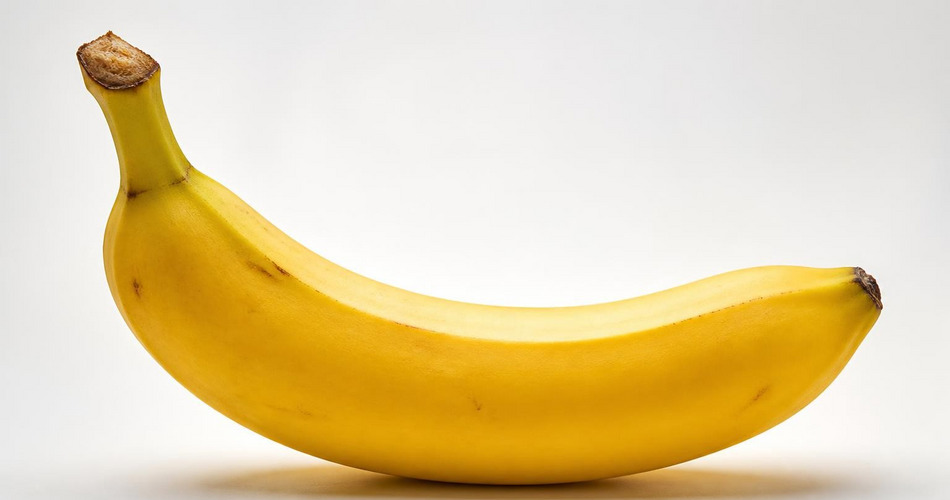
The banana is a fruit that carries a rich tapestry of meanings across cultures. Often associated with fertility, abundance, and vitality due to its phallic shape and nourishing qualities, it also symbolizes humor and tropical paradise. In many traditions, the banana represents prosperity and hospitality, while its bright yellow color evokes warmth and energy. However, it can also carry negative connotations such as foolishness or sexual innuendo, depending on context.
What Does Banana Symbolize?
At its core, the banana symbolizes fertility and virility. Its elongated, curved shape naturally evokes masculine energy, and in many cultures, it is used in rituals to promote fertility and a bountiful harvest. The banana’s soft, sweet flesh and easy-to-peel skin also make it a symbol of accessibility and nourishment. In a broader sense, bananas represent abundance and prosperity, as they grow in large clusters and are a staple food in many tropical regions. The fruit’s bright yellow color is associated with sunshine, happiness, and optimism, reinforcing its positive symbolism.
Positive and Negative Meanings of Banana
Positive associations: Bananas are widely seen as symbols of fertility, abundance, and good health. Their phallic shape links them to male potency and creative energy. In many cultures, offering a banana is a gesture of hospitality and generosity. The fruit’s sweetness and ease of consumption also make it a symbol of pleasure and simple joys.
Negative meanings: In some contexts, bananas can represent foolishness or clumsiness, as slipping on a banana peel is a classic comedic trope. The fruit’s phallic shape can also carry sexual innuendo, sometimes viewed as crude or inappropriate. Overripe or bruised bananas may symbolize decay or wasted potential.
History and Origins of Banana Symbolism
The banana is one of the oldest cultivated fruits, with origins in Southeast Asia. From there, it spread to Africa, the Americas, and beyond through trade and colonization. Early symbolic associations likely arose from the banana’s role as a vital food source and its distinctive shape. In ancient Hindu texts, the banana plant is considered sacred and is often used in religious ceremonies to invoke fertility and prosperity. The fruit’s introduction to the Western world in the 19th century sparked fascination, and it quickly became a symbol of exotic tropical lands. By the 20th century, bananas were mass‑marketed, and their imagery appeared in advertising as a symbol of health and energy.
Banana Symbolism in Different Cultures
In Hinduism, the banana plant is associated with the god Vishnu and is used in weddings and other auspicious events. The leaves are used as plates for ceremonial meals, symbolizing purity and abundance. In many African cultures, bananas are a staple crop and symbolize hospitality, community, and fertility. The banana tree is often planted near homes as a sign of welcome. In Latin America, bananas are linked to tropical identity and are a source of national pride in countries like Ecuador and Costa Rica. The fruit also appears in Caribbean folklore as a symbol of life and sustenance. In Western popular culture, the banana is often used humorously, as in the classic banana peel slip, but also as a healthy snack icon.
Spiritual Meaning of Banana
Spiritually, the banana is seen as a symbol of abundance and divine nourishment. In some traditions, the banana tree represents the axis mundi, connecting the earthly and spiritual realms. Its fruit, which grows in clusters, is a reminder of community and shared blessings. The banana’s phallic shape also ties it to creative life force and masculine energy, often invoked in fertility rituals. In meditation, visualizing a banana can be used to attract prosperity and vitality.
Banana in Myths and Folklore
In Hindu mythology, the banana plant is believed to be a form of the goddess Lakshmi, the deity of wealth and prosperity. It is customary to plant banana trees near homes and temples to invite good fortune. In some African folktales, the banana is a gift from the gods, providing sustenance to humanity. The fruit also appears in Southeast Asian myths as a symbol of fertility and the cycle of life. In Caribbean folklore, bananas are sometimes used in protective rituals to ward off evil spirits.
Banana in Dreams
Dreaming of bananas is often interpreted as a sign of fertility, sexual desire, or creative potential. A ripe banana may indicate a period of abundance and satisfaction, while a green banana can symbolize something that is not yet ready or needs time to develop. Overripe or rotting bananas in dreams may point to missed opportunities or neglected aspects of life. The context of the dream—such as eating, peeling, or slipping on a banana—adds further nuance.
Common Dream Scenarios with Bananas
- Eating a banana: Often represents satisfaction, nourishment, or indulgence in sensual pleasures.
- Peeling a banana: May symbolize revealing hidden desires or uncovering a new opportunity.
- Slipping on a banana peel: Suggests a humorous setback or a warning about carelessness.
- Seeing a bunch of bananas: Indicates abundance, teamwork, or a fruitful period ahead.
- Rotten bananas: Can signify decay, wasted potential, or unresolved issues.
Banana in Superstitions and Omens
- Finding a banana peel on the ground: In some superstitions, this is a warning to watch your step—both literally and metaphorically.
- Dreaming of bananas: Often considered a good omen for fertility and financial gain.
- Offering a banana: In many cultures, giving a banana is a gesture of friendship and goodwill.
- Planting a banana tree: Believed to bring prosperity and protection to the home.
- Seeing a banana in a dream while pregnant: Sometimes interpreted as a sign of a healthy baby boy.
Banana in Art and Literature
One of the most iconic representations of the banana in art is Andy Warhol’s cover for The Velvet Underground & Nico’s 1967 debut album. The simple, bold image of a banana became a symbol of pop art and counterculture. In literature, the banana appears in Gabriel García Márquez’s One Hundred Years of Solitude, where the banana company represents foreign exploitation and the destructive impact of capitalism on the fictional town of Macondo. The fruit also features in the classic novelty song “Yes! We Have No Bananas” (1923), which humorously captures the banana’s role in everyday life. In modern cinema, bananas are often used for comedic effect, such as in the Minions franchise, where the characters’ love for bananas reinforces their playful, childlike nature.
Banana Tattoo Meaning
Banana tattoos are relatively rare but carry distinct meanings. They can symbolize a playful personality, a love for tropical themes, or a connection to fertility and abundance. Some people choose banana tattoos as a humorous nod to the fruit’s phallic shape, while others use them to represent a carefree, joyful attitude. The bright yellow color of the banana tattoo often evokes warmth and optimism.
Meanings of Different Banana Types
- Green banana: Symbolizes potential, growth, and something that is not yet ripe. It can also represent patience and waiting for the right moment.
- Ripe yellow banana: Represents fulfillment, abundance, and readiness. It is the most common symbol of the fruit’s positive qualities.
- Overripe or spotted banana: May signify decay, wasted opportunities, or the need to act before it’s too late.
- Red banana: A less common variety, often associated with exoticism, passion, and uniqueness.
- Plantain: A starchy cousin of the banana, often symbolizes sustenance, practicality, and grounding energy.
Frequently Asked Questions about Banana Symbolism
Q: What does a banana symbolize in dreams?
A: In dreams, bananas often symbolize fertility, sexual desire, or creative potential. The specific meaning depends on the dream’s context, such as eating, peeling, or slipping on a banana.
Q: Is the banana a symbol of good luck?
A: In many cultures, bananas are considered auspicious. Offering a banana is a gesture of goodwill, and planting a banana tree near a home is believed to bring prosperity and protection.
Q: What does a banana tattoo mean?
A: A banana tattoo typically represents playfulness, fertility, abundance, or a love for tropical themes. It can also be a humorous symbol.
Q: Why is the banana associated with humor?
A: The banana’s association with humor comes largely from the classic slapstick trope of slipping on a banana peel, which has been a staple of comedy for over a century.
Q: What does a banana represent in Hinduism?
A: In Hinduism, the banana plant is sacred and symbolizes fertility, prosperity, and purity. It is used in weddings and religious ceremonies.
Related Symbols
- Apple – Another fruit with rich symbolic meanings, often representing knowledge, temptation, and health.
- Pomegranate – Symbolizes fertility, abundance, and the cycle of life.
- Corn – A symbol of harvest, nourishment, and fertility in many cultures.
- Phallus – Directly related to the banana’s shape, representing masculine energy and procreation.
- Sun – The banana’s yellow color connects it to solar energy, warmth, and vitality.