Briefly
The ram is a powerful symbol of strength, leadership, and determination. Often associated with male energy and fertility, the ram represents the ability to overcome obstacles through sheer force of will. In many cultures, it also embodies sacrifice and renewal, as seen in mythological tales and religious traditions. The ram’s horns are particularly symbolic, representing authority, protection, and the cyclical nature of life.
What Does Ram Symbolize?
The ram is primarily a symbol of strength and assertiveness. Its muscular build and prominent horns convey raw power and the capacity to break through barriers. As a leader of the flock, the ram also represents leadership, dominance, and the courage to take charge. Its tendency to charge headfirst into conflict gives it a reputation for stubbornness, but also for unwavering determination. In many traditions, the ram is linked to fertility and virility due to its role in breeding. Additionally, the ram often appears in contexts of sacrifice, where its life is offered for a greater purpose, linking it to themes of redemption and renewal.
Positive and Negative Meanings of the Ram
Positive associations: The ram embodies determination, courage, and protection. It is a symbol of leadership and the ability to confront challenges directly. In many cultures, the ram’s horns are seen as a protective emblem, warding off evil and representing authority. The ram also signifies fertility and abundance, as well as the strength to endure hardship.
Negative meanings: On the negative side, the ram can represent aggression, stubbornness, and reckless impulsiveness. Its tendency to charge without thought can symbolize blind rage or destructive behavior. In some contexts, the ram’s association with sacrifice can also imply victimhood or being a scapegoat.
History and Origins of Ram Symbolism
The ram has been a significant symbol since ancient times, largely due to its early domestication. Sheep were among the first animals domesticated by humans, and the ram, as the male leader, naturally became a symbol of power and leadership. In Neolithic cultures, ram figurines and carvings have been found, suggesting its importance in early rituals. The ram’s horns, which grow in a spiral, were often associated with the sun and the cycle of life and death. In many ancient societies, the ram was also a key sacrificial animal, its blood used in rites to appease gods or ensure fertility. This dual role—both a symbol of strength and a sacrificial victim—shaped its complex symbolism.
Ram Symbolism in Different Cultures
In ancient Egyptian culture, the ram-headed god Khnum was the creator deity who fashioned humans on his potter’s wheel. Rams were also associated with the god Amun, who was sometimes depicted with ram horns. The ram symbolized fertility, creation, and royal power. In Greek mythology, the ram is central to the story of the Golden Fleece. The winged ram Chrysomallos carried Phrixus to safety, and its golden fleece became a symbol of kingship and authority. The ram also represents the zodiac sign Aries, though that is a separate symbolic tradition. In Celtic culture, the ram was a war symbol, often depicted on shields and banners, representing ferocity and protection. In Hinduism, the ram is the vehicle of the fire god Agni, and it appears in the epic Ramayana, where the hero Rama (whose name means “ram”) embodies virtue and strength. In Chinese culture, the ram (or goat) is one of the twelve zodiac animals, symbolizing gentleness, creativity, and peace, though this is a different animal (the goat/sheep) often conflated with the ram.
Spiritual Meaning of the Ram
As a spirit animal, the ram represents the drive to achieve goals through sheer willpower and determination. It encourages taking the lead and facing obstacles head-on. The ram’s energy is about asserting oneself and not backing down from challenges. Spiritually, the ram also symbolizes the power of sacrifice—letting go of something valuable for a higher purpose. Its horns are seen as a connection to the divine, representing antennae that receive spiritual guidance. In shamanic traditions, the ram is a guide for those seeking to overcome personal barriers and claim their rightful place as leaders.
Ram in Myths and Folklore
One of the most famous myths involving a ram is the Golden Fleece from Greek mythology. The winged ram Chrysomallos was sent by the gods to rescue Phrixus and Helle from sacrifice. After its death, its golden fleece was hung in a sacred grove, guarded by a dragon, and later sought by Jason and the Argonauts. The fleece symbolized authority, wealth, and the quest for greatness. In the Bible, the ram appears in the story of Abraham and Isaac, where a ram caught in a thicket is sacrificed in place of Isaac. This event underscores the ram’s role as a substitute sacrifice, symbolizing divine provision and redemption. In Norse mythology, the god Thor’s chariot was pulled by two goats, but the ram is less prominent. However, in many European folk traditions, the ram’s head was used as a protective charm against evil spirits.
Ram in Dreams
Dreams featuring a ram are often interpreted as messages about assertiveness, ambition, or conflict. While dream interpretations vary, a ram in a dream may symbolize the need to take a leadership role or to confront a situation with courage. It can also represent stubbornness in oneself or others. The context of the dream—whether the ram is charging, peaceful, or injured—provides further nuance. For example, a charging ram may indicate a looming confrontation, while a calm ram suggests controlled strength.
Common Ram Dream Scenarios
- Being chased by a ram: May represent feeling threatened by someone’s aggression or your own repressed anger.
- A ram charging at you: Could symbolize an upcoming challenge or conflict that requires immediate attention.
- A peaceful ram grazing: Indicates a period of stability and controlled strength.
- Riding a ram: Suggests taking control of a situation or harnessing your assertive energy.
- A dead ram: May signify the end of a conflict or the loss of leadership.
Ram in Superstitions and Omens
In various folk traditions, the ram is considered a potent protective symbol. Hanging a ram’s head or horns above a doorway is believed to ward off evil spirits and bring good fortune. In some agricultural societies, seeing a ram on a hilltop was considered an omen of a successful harvest. Conversely, a ram that refuses to move or is aggressive might be seen as a warning of upcoming difficulties. The ram’s horn, known as a cornucopia in some contexts, is a symbol of abundance and prosperity. In Celtic lore, the ram was associated with the god of war and was thought to bring courage to warriors before battle.
Ram in Art and Literature
One of the most famous literary references to a ram is in the Bible (Genesis 22), where a ram is sacrificed in place of Isaac. This story has been depicted in countless paintings, such as Rembrandt’s “Abraham and Isaac” (1634), which shows the ram caught in the thicket. In Greek mythology, the story of the Golden Fleece has inspired numerous works, including the epic poem “Argonautica” by Apollonius of Rhodes and modern films like “Jason and the Argonauts” (1963). In poetry, William Blake’s “The Lamb” contrasts the gentle lamb with the powerful ram, though the ram itself appears in his works as a symbol of energy. In modern literature, the ram appears in Philip Pullman’s “His Dark Materials” series, where the character Lord Asriel’s daemon is a snow leopard, but the ram is not central. However, the ram is a common motif in heraldry and emblem books, representing strength and military might.
Ram Tattoo Meaning
A ram tattoo often symbolizes strength, leadership, and determination. People choose this design to represent their own assertive nature or to honor their zodiac sign (Aries). The ram’s horns are a popular element, symbolizing protection and the ability to break through obstacles. A ram tattoo can also signify a connection to nature and the wild, or a reminder of one’s inner power. In some designs, the ram is combined with other symbols like the sun or geometric shapes to enhance its meaning of vitality and focus.
Meanings of Different Ram Types, Colors, or Variations
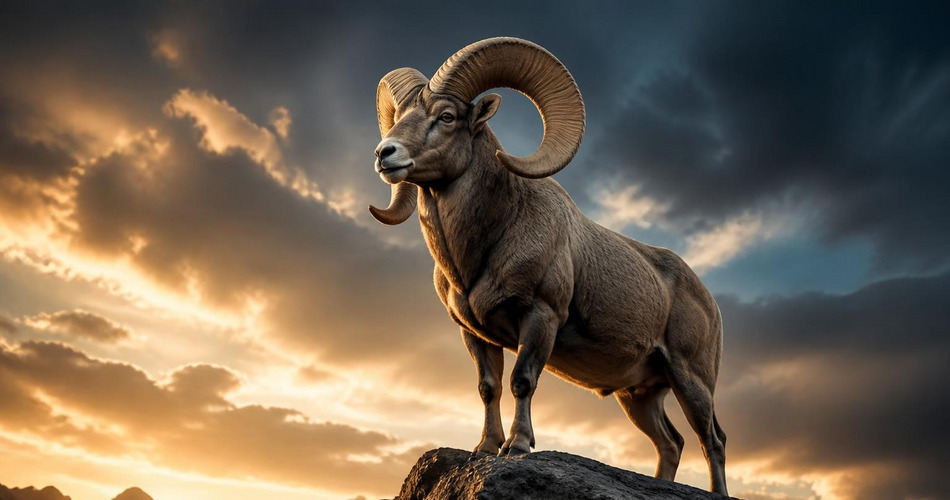
- Bighorn ram: Represents ruggedness, adaptability, and the ability to thrive in harsh environments. Its large, curled horns emphasize strength and resilience.
- Domestic ram: Often symbolizes leadership within a community or family, as well as fertility and provision.
- White ram: Associated with purity, sacrifice, and spiritual guidance. White rams appear in religious contexts, such as the ram in the story of Abraham.
- Black ram: Can represent mystery, the shadow self, or untamed power. In some folklore, a black ram is an omen of change or a guardian of hidden knowledge.
- Ram with large horns: Emphasizes authority, protection, and the cyclical nature of life (horns grow in spirals).
Frequently Asked Questions about Ram Symbolism
Q: What does a ram symbolize in the Bible?
A: In the Bible, the ram is most famously associated with the story of Abraham and Isaac, where a ram is provided by God as a substitute sacrifice. It symbolizes divine provision, obedience, and the concept of substitutionary atonement.
Q: Is the ram a positive or negative symbol?
A: The ram has both positive and negative connotations. Positively, it represents strength, leadership, and determination. Negatively, it can symbolize aggression, stubbornness, and recklessness.
Q: What does a ram symbolize in Chinese culture?
A: In Chinese culture, the ram (often conflated with the goat or sheep) is one of the twelve zodiac animals. It symbolizes gentleness, creativity, peace, and artistic talent. However, the ram as a specific male sheep is less emphasized.
Q: What does a ram tattoo mean?
A: A ram tattoo typically represents strength, leadership, determination, and the ability to overcome obstacles. It is also popular among those born under the zodiac sign Aries.
Q: What does it mean to dream of a ram?
A: Dreaming of a ram often indicates a need to assert yourself, take charge, or confront a challenge. It can also reflect stubbornness or aggression in yourself or others.
Related Symbols of the Ram
- Sheep: The ram is the male counterpart; sheep symbolize gentleness, following, and community.
- Goat: Often confused with the ram; goats symbolize independence, agility, and sometimes lust.
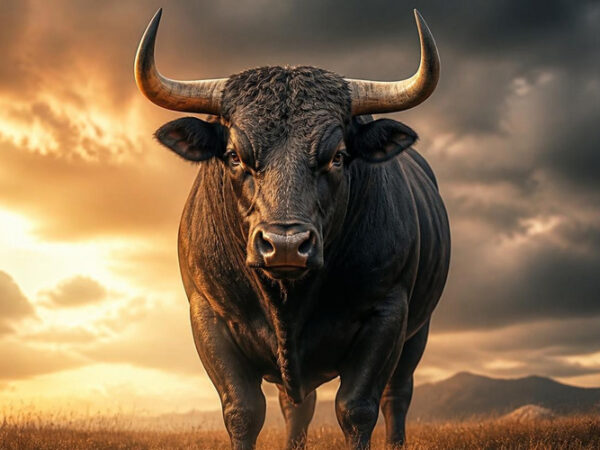
- Bull: Like the ram, the bull represents strength, fertility, and stubbornness, but with a heavier, more grounded energy.
- Horns: As a separate symbol, horns represent power, protection, and the divine in many cultures.
- Aries: The zodiac sign represented by the ram, symbolizing initiative, courage, and impulsiveness.
- Golden Fleece: A mythical object derived from a ram, symbolizing authority, wealth, and the quest for greatness.