Briefly
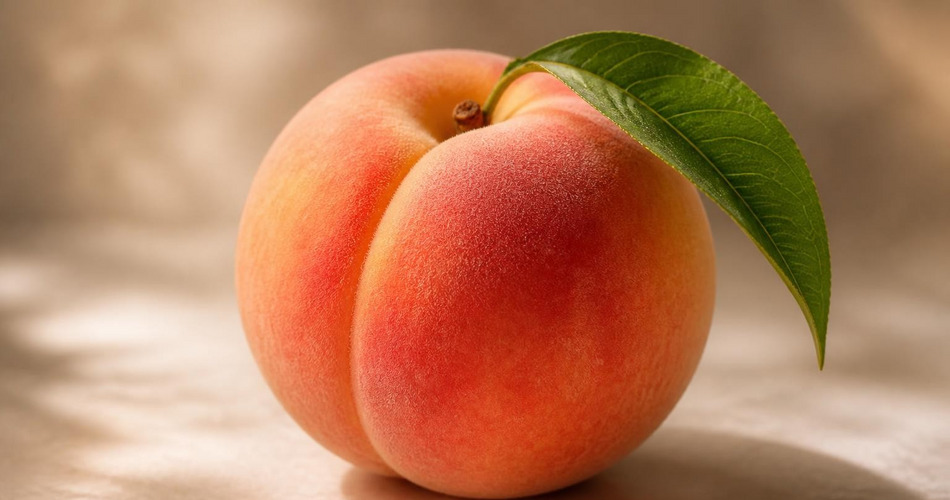
The peach carries a rich set of meanings that revolve around longevity, abundance, and renewal. In East Asian traditions it is one of the most auspicious fruits, closely tied to immortality and protective rituals, while in Western contexts it has often represented sweetness, desire, and the quieter pleasures of life. Across cultures, the peach balances ideas of vitality and vulnerability, celebration and caution. Its soft flesh, fragrant skin, and single central stone have made it a natural emblem of hidden truths, tender feelings, and the rewards that come with patience.
What Does the Peach Symbolize?
At its core, the peach symbolizes longevity and the wish for a long, healthy life. This meaning is especially strong in China, where the peach is linked to ideas of immortality and divine blessing. The fruit also stands for love and marriage — its lush flesh and sweet juice make it an intuitive emblem of romance, desire, and fertility. In many cultures the peach is a symbol of spring and renewal, because it blooms early in the year and signals the end of winter.
The peach also carries meanings of protection. Peach wood, peach blossoms, and peach-shaped charms have been used for centuries to ward off harm and evil influences. Because of its round shape and deep central pit, the peach is sometimes read as a symbol of unity and hidden inner strength. In art and poetry, it can suggest both innocence and temptation, depending on the context.
Positive and Negative Meanings
Positive associations: The peach is overwhelmingly positive in its symbolism. It represents longevity, immortality, good fortune, abundance, and prosperity. It is a fruit of romance and fertility, associated with love, marriage, and the growth of families. Its sweetness connects it to joy, pleasure, and the enjoyment of life, while its spring blossom makes it a symbol of hope, renewal, and fresh beginnings. In Chinese tradition, the peach is also seen as a protective fruit, capable of warding off evil and bringing peace to the home.
Negative meanings: The negative meanings of the peach are fewer but still present. Because the fruit is soft and easily bruised, it can symbolize fragility and vulnerability — something delicate that must be handled with care. In some Western artistic and literary contexts, the peach has been used as a symbol of temptation, sensuality, or moral weakness. Peach blossoms in particular can carry a warning about the fleeting nature of beauty and youth: they are stunning for a short time and then fall quickly, reminding viewers that pleasure and beauty do not last.
History and Origins of Peach Symbolism
The peach (Prunus persica) is native to China, where it was cultivated thousands of years ago. Despite its Latin name, which means “Persian apple,” the fruit did not originate in Persia; it traveled westward along trade routes and reached Europe through the Middle East, which is how it acquired its misleading botanical name. Archaeological evidence shows that peaches were grown in China as early as 2000 BCE, and the fruit has been part of Chinese culture for most of recorded history.
In ancient China, the peach became intertwined with Daoist ideas of immortality. Legends described a heavenly peach garden tended by the Queen Mother of the West, where the fruit ripened once every three thousand years and granted eternal life to those who ate it. This mythology powerfully shaped the peach’s reputation across East Asia. From China, peach symbolism spread to Japan and Korea, where the fruit and its blossom took on their own layers of meaning. In Japan, peach blossoms became associated with spring festivals and with the protection of young women, while in Korea the peach kept its connection to longevity and happiness.
In the West, the peach was known in ancient Persia, Greece, and Rome, and its symbolism developed differently. The Romans sometimes associated the peach with the tree of life, and the fruit later appeared in Christian art as a symbol of virtue and salvation. Over time, Western artists and writers used the peach more often as a symbol of sweetness, health, and summer abundance.
Peach Symbolism in Different Cultures
In China, the peach is one of the most important symbolic fruits. It represents longevity, immortality, and springtime renewal. Peachtree wood was believed to repel evil spirits, and peachwood amulets, carvings, and talismans have been used as protective charms for centuries. The peach blossom is also a traditional symbol of marriage and romance, and peaches are often given as gifts during the Lunar New Year and on birthdays to wish someone a long life.
In Japan, peach blossoms (momo) symbolize spring, feminine beauty, and protection. The peach features prominently in the story of Momotarō, the Peach Boy, one of Japan’s best-known folk tales, in which a boy born from a giant peach grows up to defeat demons. This story reinforces the peach’s connection to good fortune and the triumph of courage. In modern Japan, peach blossoms are associated with the festival of Hinamatsuri, Girls’ Day, and are displayed to wish for the health and happiness of daughters.
In Korea, peaches are associated with longevity, happiness, and good fortune. They appear in folk painting and in rituals connected to birthdays and the new year. Korean folklore also carries a note of caution: some traditions hold that peach wood can repel ghosts, but that the fruit itself should be handled with care during certain rituals. In Western cultures, the peach has simpler associations with summer, sweetness, and sensual pleasure, though it has also appeared in Christian art as a sign of virtue and salvation.
Spiritual Meaning of the Peach
In spiritual terms, the peach is often understood as a symbol of immortality and the soul’s enduring nature. The Daoist tradition treats the peach as a divine fruit, one of the substances that grants transcendence and eternal life. The hard stone at the center of the fruit is sometimes seen as the immortal seed of the soul, while the soft flesh represents the passing world of the senses. Eating a peach, in this way of thinking, is a small reminder that life continues beyond the body.
The peach also has spiritual meanings tied to purity and protection. Peach blossoms are delicate and fragrant, and their early appearance in spring makes them a natural emblem of the soul waking from the darkness of winter. In folk practice, branches of peach blossom or carvings of peach wood were placed in homes or worn on the body to keep harmful influences away. The peach’s round shape is sometimes interpreted as a symbol of completeness and wholeness.
Peach in Myths and Folklore
The most important myth about the peach is the Chinese legend of Xi Wangmu, the Queen Mother of the West, who cultivated a heavenly orchard of peaches that ripened every three thousand years. These peaches conferred immortality, and Xi Wangmu became one of the most enduring figures in Chinese mythology. Stories of her celestial peach banquets appear in many classical texts and works of art, and the phrase “peaches of immortality” remains a part of Chinese cultural memory.
In Japanese folklore, the peach is central to the tale of Momotarō, the Peach Boy. An elderly couple finds a giant peach floating down a river; when it splits open, a baby boy appears inside. The boy, Momotarō, grows up to travel with a dog, a monkey, and a pheasant to defeat the demons on Onigashima Island. The peach in this story acts as a symbol of miraculous birth, divine blessing, and the arrival of good fortune.
Chinese folk belief also made peachwood one of the most commonly used protective materials. Peachwood swords were hung over doorways to keep evil spirits away during festivals. In some regions, people believed that demons feared the sight of a peach branch, and peachwood seals were used by Daoist priests to make talismans and ritual protection.
Peach in Dreams
Because the peach is not a common everyday fruit for many people, encountering it in a dream often feels significant. In traditional dream interpretation, the peach generally carries favorable meanings related to health, romance, and personal growth. A ripe, sweet peach in a dream is often read as a sign of happiness in love or success in a personal endeavor, while a peach tree full of fruit can point to abundance and the rewards of steady effort.
The state of the fruit matters in dream interpretation. A whole, unblemished peach suggests wholeness and good fortune, while a bruised or rotten peach may hint at missed opportunities, neglect, or a relationship that has soured. A peach blossom in a dream can symbolize the start of something beautiful, especially in love, but its short-lived bloom can also be a reminder not to take pleasure for granted.
Common Peach Dream Scenarios
- Eating a ripe peach — often interpreted as enjoying the fruits of your labor or entering a period of happiness and fulfillment.
- A peach tree in full bloom — a sign of new beginnings, especially in love, friendship, or creative work.
- Picking peaches from a tree — suggests that an opportunity is within reach and the moment to act has arrived.
- A bruised or rotten peach — can point to disappointment, neglected feelings, or a relationship losing its sweetness.
- Receiving a peach as a gift — often linked to good news, an offer of affection, or a kind gesture from someone close to you.
- Seeing peach blossoms — a gentle sign of spring, renewal, and the early stages of romance.
Peach in Superstitions and Omens
- In China, peach wood is considered one of the most effective protections against evil spirits, and peachwood charms are hung on doors during the Lunar New Year.
- Giving a peach as a gift is traditionally seen as an omen of good luck and long life, especially when given to elders.
- In some regions, eating peaches on New Year’s Day is believed to bring vitality and good fortune for the year ahead.
- A peach tree that blooms early is often taken as a good omen for a mild spring and a fruitful season.
- In some Korean traditions, peach wood is avoided in certain shamanic rituals because of the belief that the spirit of the peach tree repels ghosts so strongly it can also frighten away benevolent spirits.
Peach in Art and Literature
The peach has a long history in Chinese art, where it appears in paintings, ceramics, and decorative objects as a symbol of immortality and good fortune. The image of the peach of immortality is particularly common in works depicting Xi Wangmu or her heavenly garden. In traditional Chinese painting, a single ripe peach is often enough to communicate a wish for long life, and peach motifs appear on textiles, porcelain, and birthday gifts.
In Western literature, the peach appears as a symbol of desire and temptation in older poetry and fiction. One of the best-known modern examples is James and the Giant Peach by Roald Dahl, where the fruit becomes a vessel of escape and adventure. In this children’s novel, the peach grows to enormous size and carries the young hero away from a difficult life toward a better one, blending the fruit’s older associations with abundance and transformation into a story about hope and found family.
The peach has also appeared in poetry as an emblem of sensual pleasure and summer joy, particularly in works from the early twentieth century that celebrate the body and the natural world. In Casablanca, the classic 1942 film, the word “peaches” is used by Rick as an affectionate nickname for Ilsa, drawing on the peach’s associations with sweetness and cherished memories.
Peach Tattoo Meaning
A peach tattoo is a meaningful and visually recognizable design that carries several possible interpretations. For many people, the peach represents long life and good health, drawing directly on Chinese and Japanese symbolism. The fruit is also chosen as a symbol of love and romance, especially by couples who want an image of sweetness and devotion. The peach’s soft, rounded shape makes it a popular choice for delicate, feminine designs, while the blossom is often used in Japanese-style tattoos as a symbol of spring and renewal.
The peach can also carry a playful or defiant meaning in modern tattoo culture. Because of the fruit’s resemblance to the human form, peach tattoos are sometimes used to represent the body itself, body positivity, or rebellious self-expression. A peach with leaves can emphasize growth and vitality, while a peach blossom tattoo connects the wearer to the beauty of fleeting moments.
Meanings of Peach Colors and Variations
Peaches appear in a range of colors, from pale yellow to deep red, and the variations carry slightly different associations. A golden yellow peach is most strongly connected to the sun, warmth, and the classic symbolism of longevity. A red or rosy peach is associated with romance, passion, and vitality, since the red flush suggests a blush. White-fleshed peaches are prized in East Asia for their fragrance and are often linked to elegance and subtlety, while flat or doughnut peaches are sometimes read as symbols of uniqueness and unexpected sweetness.
Peach blossoms themselves are usually pink, and their color is deeply associated with love, spring, and femininity in Japanese culture. The peach-colored tones used in clothing and design — soft orange and pink blends — evoke warmth, tenderness, and the comfort of a gentle touch. The fruit’s velvet skin has also made it a metaphor for softness and care in poetry and everyday language.
Frequently Asked Questions
Q: What does a peach symbolize?
A: The peach symbolizes longevity, immortality, love, marriage, abundance, renewal, and protection, with its exact meaning varying by culture.
Q: Why is the peach a symbol of immortality?
A: In Chinese Daoist tradition, the peaches of the Queen Mother of the West (Xi Wangmu) ripened once every three thousand years and granted eternal life to those who ate them.
Q: What does a peach tattoo mean?
A: A peach tattoo commonly represents long life, love, sweetness, springtime, and renewal, though in modern tattoo culture it can also carry playful or body-positive meanings.
Q: Are peaches mentioned in Greek or Roman mythology?
A: Peaches were known in ancient Greece and Rome and were sometimes connected with the tree of life, but the strongest mythological associations come from China and Japan.
Related Symbols
- Apple — another round fruit with meanings of love, temptation, and immortality.
- Pomegranate — a symbol of fertility, abundance, and the cycle of death and rebirth.
- Cherry Blossom — a spring flower associated with beauty, fleeting life, and renewal.
- Plum Blossom — a symbol of resilience, hope, and early spring in East Asian art.
- Lotus — a flower of purity, spiritual growth, and transcendence.
- Tree of Life — a motif of immortality, connection, and the eternal renewal of nature.