Briefly
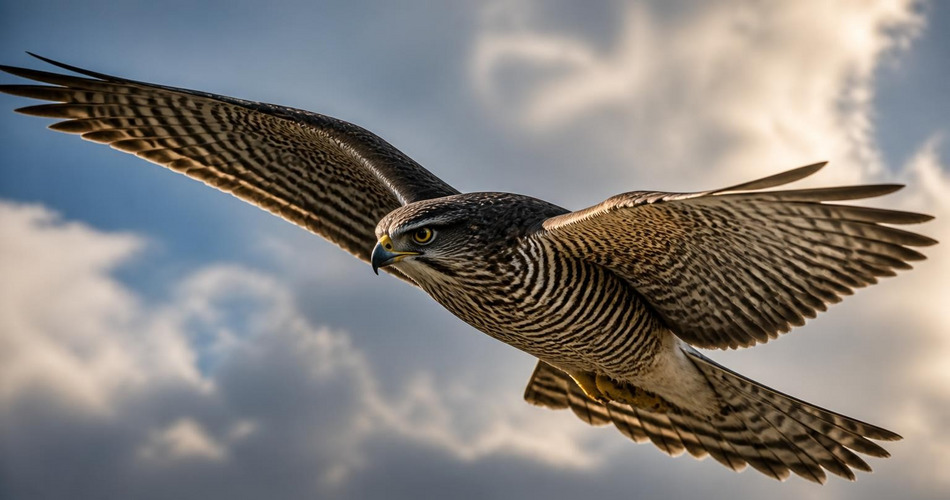
The sparrowhawk is a small but formidable bird of prey, renowned for its exceptional eyesight, swift flight, and stealthy hunting technique. As a symbol, it represents focus, precision, and the ability to see through illusions. It embodies determination and the courage to pursue goals with single-minded intensity, while also reminding us of the balance between aggression and patience. In many traditions, the sparrowhawk serves as a guide for those seeking clarity and a higher perspective.
What Does Sparrowhawk Symbolize?
The sparrowhawk is primarily a symbol of focus and sharp perception. Its hunting style—darting through dense cover to surprise prey—reflects the ability to navigate complex situations with agility and precision. This bird encourages us to look beyond the surface and trust our instincts. It also symbolizes determination, as the sparrowhawk does not give up easily once it has locked onto a target. In a broader sense, it represents the balance between power and restraint, as it must carefully time its attacks. The sparrowhawk’s association with the sky and air elements links it to higher thought, vision, and spiritual insight.
Positive and Negative Meanings
Positive associations: The sparrowhawk is admired for its keen eyesight, which symbolizes clarity, foresight, and the ability to discern truth. Its agility and speed represent adaptability and quick thinking. As a totem, it inspires confidence, decisiveness, and the courage to take calculated risks. It also embodies the virtues of patience and strategy, as the bird waits for the perfect moment to act.
Negative meanings: On the shadow side, the sparrowhawk can represent aggression, ruthlessness, or a predatory nature. Its single-minded pursuit may be seen as obsessive or overly competitive. In some contexts, it symbolizes a lack of compassion or a tendency to take advantage of others’ weaknesses. The sparrowhawk’s stealth can also imply deceit or hidden intentions when used negatively.
History and Origins of Sparrowhawk Symbolism
The sparrowhawk has been a part of human culture for millennia, particularly through the practice of falconry. In medieval Europe, sparrowhawks were highly prized by falconers for their skill in hunting small game and birds. They were often associated with nobility and the aristocracy, as only the upper classes were permitted to keep them. This historical connection imbued the sparrowhawk with meanings of status, discipline, and mastery over nature. In ancient Egypt, hawks (including sparrowhawks) were linked to the sky god Horus, symbolizing divine kingship and protection. The bird’s sharp vision made it a natural emblem of vigilance and royal authority.
Sparrowhawk Symbolism in Different Cultures
In Celtic traditions, the hawk (often interchangeable with the sparrowhawk) was seen as a messenger between the earthly and spiritual realms. It was associated with the sun and the sky, representing illumination and higher knowledge. Native American cultures also revered hawks as symbols of vision and strength, though specific references to the sparrowhawk are less common. In Japanese culture, the sparrowhawk (“taka”) is a symbol of courage and good fortune, often depicted in art as a noble bird. Across these cultures, the sparrowhawk consistently embodies qualities of perspective, speed, and a connection to the heavens.
Spiritual Meaning of Sparrowhawk
As a spirit animal, the sparrowhawk encourages you to rise above mundane concerns and gain a broader view of your life. It calls for clear vision and honest self-assessment. The sparrowhawk’s presence may indicate that you need to focus on a specific goal with unwavering intention. It also teaches the importance of timing—knowing when to act and when to wait. In meditation, visualizing a sparrowhawk can help sharpen mental clarity and cut through confusion. The bird’s spiritual energy is one of empowerment and self-reliance, urging you to trust your own instincts.
Sparrowhawk in Myths and Folklore
In European folklore, the sparrowhawk appears in several fables and bestiaries. One well-known Aesop’s fable, “The Hawk and the Nightingale,” features a hawk (often depicted as a sparrowhawk) that captures a nightingale, illustrating the theme of might making right. In Norse mythology, the hawk is associated with the god Odin, who had two ravens, but the hawk is sometimes mentioned as a symbol of wisdom and far-seeing. Medieval bestiaries described the sparrowhawk as a bird that preys on smaller birds, using it as a moral allegory for the dangers of pride or the inevitability of fate. These stories reinforce the sparrowhawk’s symbolic role as a predator and a reminder of nature’s harsh realities.
Sparrowhawk in Superstitions and Omens
In some folk traditions, seeing a sparrowhawk was considered an omen of change or a warning to be vigilant. If a sparrowhawk appeared near a home, it was sometimes believed to signify that a secret would be revealed. Conversely, in parts of Europe, a sparrowhawk flying overhead was thought to bring good luck, especially for hunters. These superstitions stem from the bird’s association with keen sight and sudden action. The sparrowhawk’s presence was often interpreted as a sign to pay attention to one’s surroundings and to be ready for unexpected opportunities or challenges.
Sparrowhawk in Art and Literature
The sparrowhawk appears in various works of art and literature, often as a symbol of nature’s ferocity or as a motif for focus. In medieval manuscripts, sparrowhawks were frequently illustrated in falconry scenes, emphasizing their noble status. In modern literature, the sparrowhawk features in T.H. White’s “The Once and Future King,” where the young Arthur learns about power and justice through the behavior of hawks. The bird also appears in poetry, such as Ted Hughes’s “Hawk Roosting,” though that poem specifically refers to a hawk, its themes of predatory dominance resonate with sparrowhawk symbolism. In visual art, the sparrowhawk is often depicted in flight, capturing its dynamic energy and sharp silhouette.
Sparrowhawk Tattoo Meaning
A sparrowhawk tattoo typically symbolizes vision, independence, and a warrior spirit. People choose this design to represent their ability to see through deception and to stay focused on their goals. The sparrowhawk’s sleek form and intense gaze make it a popular choice for those who value precision and determination. In tattoo art, the bird is often shown in mid-dive or with wings spread, conveying motion and power. It can also represent a connection to nature and the wild, or a reminder to maintain a higher perspective in life.
Frequently Asked Questions about Sparrowhawk Symbolism
Q: What does a sparrowhawk symbolize in the Bible?
A: The sparrowhawk is mentioned in the Bible as a bird of prey, listed among unclean animals in Leviticus. It is not given a specific symbolic meaning, but its inclusion underscores its role as a predator.
Q: Is the sparrowhawk a good omen?
A: In many cultures, the sparrowhawk is considered a positive omen, especially when seen in flight, as it signifies clarity, focus, and upcoming success. However, in some superstitions, it can also warn of hidden dangers.
Q: What is the difference between a sparrowhawk and a hawk symbolism?
A: While both share similar traits of vision and power, the sparrowhawk specifically emphasizes agility, stealth, and the ability to navigate tight spaces. It is often associated with more precise, targeted action.
Related Symbols
- Hawk – broader symbol of vision and leadership
- Falcon – speed, nobility, and hunting prowess
- Eagle – majesty, spiritual connection, and courage
- Owl – wisdom, mystery, and nocturnal vision
- Kestrel – patience, hovering, and observation