Briefly
The canary is a small, vibrant songbird that has long symbolized joy, optimism, and the uplifting power of music. Its cheerful singing and bright yellow plumage have made it a natural emblem of happiness and vitality. At the same time, the canary’s historical role in coal mines as a detector of toxic gases has imbued it with meanings of warning, vulnerability, and sacrifice. This dual nature—both celebratory and cautionary—gives the canary a unique place in human symbolism, bridging the worlds of nature, industry, and culture.
What Does the Canary Symbolize?
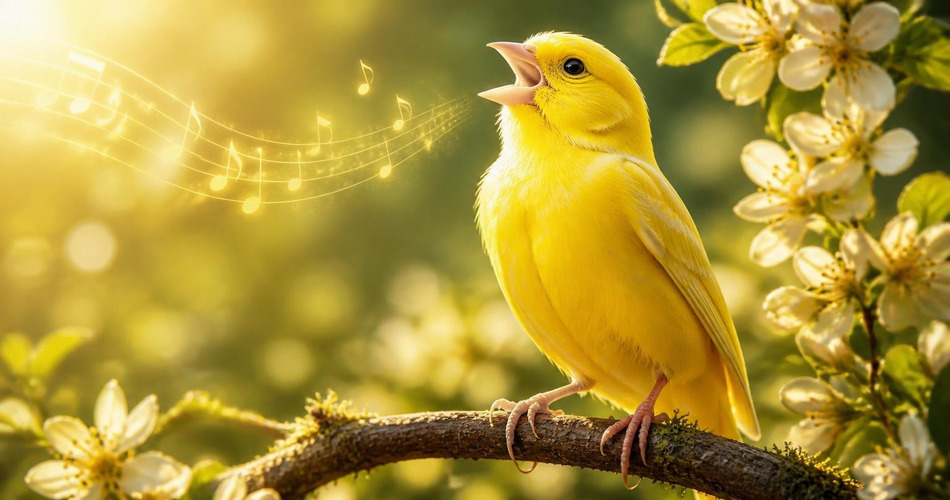
The canary is primarily a symbol of joy and the simple pleasures of life. Its constant, melodious song has been associated with contentment, positivity, and the ability to find happiness in small things. In many cultures, the canary represents the power of music to uplift the spirit and bring people together. Its bright yellow color, reminiscent of sunshine, reinforces these associations with warmth, energy, and cheerfulness.
Beyond its cheerful exterior, the canary also symbolizes sensitivity and the importance of heeding early warnings. This meaning stems directly from the historical practice of using canaries in coal mines: the birds would succumb to toxic gases before the miners, serving as a silent alarm. This has led to the metaphor of the “canary in the coal mine,” representing an early indicator of danger or a vulnerable individual whose distress signals a larger problem. Thus, the canary embodies both the lightness of song and the gravity of a warning.
Positive and Negative Meanings
Positive associations: The canary is overwhelmingly seen as a positive symbol, representing joy, happiness, and optimism. Its song is a reminder to appreciate life’s simple pleasures and to maintain a cheerful disposition. The bird’s bright yellow color adds to its association with sunshine, energy, and vitality. In many contexts, the canary symbolizes creativity, self-expression, and the healing power of music.
Negative meanings: The canary’s negative connotations are primarily linked to its fragility and vulnerability. As a small, delicate bird, it can symbolize susceptibility to harm or the dangers of ignoring subtle signs. The “canary in the coal mine” metaphor carries a somber weight, representing sacrifice, warning, and the potential for tragedy. In some interpretations, the caged canary symbolizes confinement, loss of freedom, or the suppression of one’s voice.
History and Origins of the Canary Symbolism
The canary (Serinus canaria) is native to the Canary Islands, which were named after the birds by early European explorers. The Spanish began breeding canaries in the 16th century, and the birds quickly became popular as pets across Europe due to their beautiful song and striking appearance. The development of different breeds, including the bright yellow variety that is now most common, was a result of selective breeding in the 17th and 18th centuries.
The most significant historical development in canary symbolism was their use in coal mining, which began in the late 19th century. Miners would carry canaries into the mines as a natural gas detector. If the bird showed signs of distress or died, it was a signal to evacuate immediately. This practice, which continued into the 20th century, gave rise to the enduring metaphor of the “canary in the coal mine,” which is now used in business, politics, and environmental science to describe an early warning sign.
Canary Symbolism in Different Cultures
In European cultures, the canary has been a beloved household pet for centuries, symbolizing domestic happiness and the warmth of home. Its song was often seen as a sign of a peaceful and harmonious household. In Spain, where canary breeding flourished, the bird became a symbol of national pride and artistic expression.
In the Americas, the canary’s symbolism was shaped by its role in the mining industry. The phrase “canary in a coal mine” became a powerful metaphor for anything that serves as an early indicator of danger. This meaning has been widely adopted in environmental and social discourse, where the canary represents the first signs of a larger problem.
In some Native American traditions, small birds like the canary are seen as messengers of joy and carriers of good news. Their bright colors and cheerful songs are associated with the sun and the life-giving forces of nature.
Spiritual Meaning of the Canary
In spiritual contexts, the canary is often seen as a symbol of inner joy and the presence of divine light. Its song is believed to raise one’s vibrational frequency and connect the soul to higher states of consciousness. The canary’s yellow color is associated with the solar plexus chakra, which governs personal power, confidence, and self-esteem.
The canary also serves as a spiritual reminder to listen to one’s intuition and to pay attention to subtle messages from the universe. Just as the canary warns of danger in the physical world, it can symbolize the need to heed inner warnings and to trust one’s instincts. In this way, the canary embodies the balance between lightness and vigilance, encouraging a joyful yet aware approach to life.
Canary in Myths and Folklore
While the canary does not have a prominent role in ancient mythology, it has appeared in various folk tales and legends, particularly in Europe. In some Spanish and Portuguese folklore, the canary is seen as a bringer of good luck and a protector of the home. It was believed that keeping a canary in the house would ward off evil spirits and bring prosperity to the family.
In other European traditions, the canary was associated with the soul. Its song was thought to be the voice of a departed loved one, offering comfort and reassurance. This belief reflects the canary’s gentle and soothing nature, which has made it a symbol of peace and spiritual connection.
In more recent folklore, the canary has become a symbol of the underdog—the small, seemingly insignificant creature whose warning can save the lives of many. This modern mythologizing of the canary highlights its role as a protector and a voice for the vulnerable.
Canary in Dreams
Dreaming of a canary often carries positive connotations, reflecting feelings of joy, contentment, and harmony in one’s life. The bird’s song in a dream may symbolize a message of hope or a reminder to appreciate the beauty around you. A canary flying freely in a dream can represent a sense of liberation and the expression of your true self.
Conversely, a caged canary in a dream may indicate feelings of being trapped, restricted, or silenced. It could suggest that you are suppressing your own voice or creativity. A dying canary, or the “canary in the coal mine” scenario, may be a warning to pay attention to early signs of trouble in your waking life, whether in your health, relationships, or career.
Common Canary Dream Scenarios
- A canary singing joyfully: This often symbolizes happiness, good news, and a period of emotional well-being.
- A canary in a cage: This may represent feelings of confinement, restriction, or a lack of freedom in some area of your life.
- A canary flying away: This can indicate a desire for freedom, or the release of pent-up emotions and creativity.
- A dead canary: This is often a warning sign, suggesting that you are ignoring important signals or that a situation is more serious than it appears.
- Feeding a canary: This may symbolize nurturing your own creativity or the need to care for something vulnerable in your life.
Canary in Superstitions and Omens
In various folk traditions, the canary has been associated with omens and superstitions. A canary singing at your window was often considered a sign of good luck and a blessing on the household. In some cultures, it was believed that a canary that stopped singing could be a warning of illness or misfortune.
The practice of using canaries in mines also gave rise to the superstition that a canary’s death was an omen of impending disaster. This belief, while rooted in practical reality, contributed to the bird’s association with danger and the need for vigilance. Today, the phrase “canary in the coal mine” remains a common idiom, used to describe any early warning sign.
Canary in Art and Literature
The canary has been a recurring motif in art and literature, often symbolizing joy, fragility, or the contrast between freedom and captivity. In the visual arts, the canary has been featured in paintings such as “The Canary” by 19th-century French artist Jean-Baptiste Greuze, which depicts a young girl with a canary, symbolizing innocence and the fleeting nature of life.
In literature, one of the most famous references is in Charlotte Brontë’s novel Jane Eyre, where the caged canary serves as a metaphor for the protagonist’s own feelings of confinement and desire for freedom. The canary’s song is also a recurring image in poetry, representing the voice of the soul and the power of expression.
In modern culture, the canary has appeared in films and television as a symbol of warning or vulnerability. The 2006 film The Canary uses the bird as a central metaphor for a character’s sensitivity and the dangers of ignoring subtle signs.
Canary Tattoo Meaning
Canary tattoos are popular for their vibrant color and positive associations. They are often chosen to represent joy, optimism, and a love of music. A canary tattoo can also symbolize the importance of speaking one’s truth and using one’s voice, making it a meaningful choice for singers, artists, and those who value self-expression.
For others, a canary tattoo may carry a more personal meaning, such as overcoming adversity or serving as a reminder to stay vigilant. The image of a canary in a coal mine can be a powerful symbol of resilience and the strength found in vulnerability. Canary tattoos are often depicted in bright yellows and oranges, sometimes with musical notes or a cage, to emphasize their symbolic meanings.
Meanings of Different Canary Colors
While the yellow canary is the most common and iconic, canaries come in a variety of colors due to selective breeding. Each color variation can add a layer of meaning to the bird’s symbolism.
- Yellow canary: The classic symbol of joy, sunshine, and optimism.
- Red canary: Often associated with passion, energy, and intensity, adding a fiery element to the bird’s cheerful nature.
- White canary: Represents purity, innocence, and clarity, often seen as a symbol of peace and spiritual connection.
- Green canary: Tied to nature, growth, and renewal, suggesting a connection to the earth and a fresh start.
- Orange canary: A blend of yellow’s joy and red’s passion, symbolizing creativity and enthusiasm.
Frequently Asked Questions
Q: What does a canary symbolize?
A: A canary symbolizes joy, happiness, optimism, and the power of song, but it also carries meanings of warning, sensitivity, and vulnerability, especially as a “canary in the coal mine.”
Q: What does it mean when you dream of a canary?
A: Dreaming of a canary often represents joy, harmony, and positive emotions, but a caged or dying canary may indicate feelings of confinement or a warning to heed early signs of trouble.
Q: Is a canary a good luck symbol?
A: In many cultures, a canary is considered a good luck symbol, bringing happiness and prosperity to a household. Its song is often seen as a positive omen.
Q: What is the origin of the phrase “canary in a coal mine”?
A: The phrase originates from the practice of using canaries in coal mines as early warning systems for toxic gases. If the canary died, miners knew to evacuate, leading to the metaphor of an early warning sign.
Related Symbols
- Songbird – Symbolizes joy, music, and communication.
- Yellow Color – Represents happiness, energy, and optimism.
- Cage – Symbolizes confinement, restriction, or protection.
- Warning – Associated with the canary’s role as an early indicator of danger.
- Sun – Reflects the canary’s bright color and association with warmth and life.