Briefly
The pearl is one of the most enduring symbols in human culture, representing wisdom, purity, and the quiet beauty that emerges from hardship. Formed inside a living creature as a response to irritation, it has long been seen as a metaphor for transformation — turning an unwelcome grain of sand into something precious. Across civilizations, pearls have adorned royalty, brides, and spiritual figures, carrying meanings of innocence, wealth, and spiritual insight. Their rarity and natural origin have made them objects of desire and reverence for thousands of years.
What Does the Pearl Symbolize?
The pearl symbolizes wisdom gained through experience, especially the kind that comes from enduring difficulty. Because it is created when an oyster coats an irritant with layers of nacre, the pearl embodies the idea that suffering can be transformed into something beautiful and valuable. This makes it a powerful emblem of personal growth, patience, and inner strength.
Pearls also stand for purity and innocence. Their smooth, white surface has linked them to cleanliness, chastity, and the unblemished soul in many traditions. Brides have worn pearls for centuries as a sign of a pure heart and a hopeful beginning. At the same time, the pearl’s glow has been associated with the moon and the feminine, connecting it to intuition, emotional depth, and the mysteries of the subconscious.
In a broader sense, pearls symbolize rarity and perfection. Unlike gemstones that are mined and cut, a pearl is complete as it is — a natural wonder that needs no human refinement. This has made it a symbol of the unique and the irreplaceable, something that cannot be manufactured or replicated.
Positive and Negative Meanings
Positive associations: Pearls are universally linked to purity, innocence, and virtue. They represent wisdom, calm, and emotional balance, and are often given as gifts to mark milestones such as weddings, anniversaries, and graduations. The pearl’s formation process makes it a symbol of transformation and resilience — the ability to turn pain into beauty. It also signifies wealth, status, and refinement, having been treasured by royalty and the elite throughout history.
Negative meanings: The pearl can also carry less favorable connotations. Because it is created from irritation, it has been associated with hidden suffering or the idea that beauty often masks pain. In some traditions, pearls were linked to tears — the belief that they were formed from the tears of gods or sorrowful maidens. They have also been seen as symbols of vanity or excessive pride, particularly when worn ostentatiously. In certain superstitions, pearls were considered unlucky for brides or actors, as they were thought to bring tears to a marriage or a performance.
History and Origins of Pearl Symbolism
The history of pearl symbolism stretches back to ancient civilizations. In ancient Rome, pearls were the ultimate status symbol — Julius Caesar reportedly passed a law restricting their wear to the upper classes. Roman women wore pearls to signify their wealth and social standing, and the gem was associated with Venus, the goddess of love and beauty, who was said to have been born from the sea.
In ancient China, pearls were believed to come from the brain of a dragon, and they were prized as symbols of wisdom, power, and protection. Chinese emperors wore pearls as a sign of their divine right to rule, and the gem was thought to bring good fortune and ward off evil. In India, the pearl was considered one of the most sacred gems, associated with the moon and the goddess Lakshmi, who represents prosperity and purity.
The ancient Egyptians also valued pearls, though they were rare and reserved for the pharaohs. They were buried with their owners to ensure safe passage into the afterlife. The Greek word for pearl, margarites, means «child of light», reflecting the belief that pearls were born from dew drops that fell into the sea and were swallowed by oysters.
Pearl Symbolism in Different Cultures
In Western cultures, the pearl has long been a symbol of modesty, purity, and bridal virtue. It is the traditional birthstone for June and the gem for the 30th wedding anniversary. In Christian iconography, the pearl represents the kingdom of heaven — Jesus compares the kingdom to a «pearl of great price» in the Gospel of Matthew, suggesting that it is worth sacrificing everything to obtain.
In Islamic tradition, the pearl is mentioned in the Quran as a reward for the faithful in paradise, where the righteous are said to be adorned with pearls. It symbolizes spiritual purity and the promise of eternal bliss. In Hindu culture, pearls are associated with the moon and are believed to bring calm, mental clarity, and prosperity. They are often used in religious ceremonies and worn as amulets.
In Japanese culture, the pearl is seen as a symbol of health and longevity. The Ama divers, who have harvested pearls for centuries, are regarded with respect for their bravery and skill. In many East Asian traditions, the pearl is also linked to the dragon — the «flaming pearl» is a common motif representing wisdom, spiritual energy, and the pursuit of perfection.
Spiritual Meaning of the Pearl
Spiritually, the pearl is a symbol of inner transformation and the soul’s journey toward enlightenment. Just as the oyster transforms an irritant into a gem, the spiritual seeker is encouraged to transform life’s hardships into wisdom and compassion. The pearl’s layers of nacre can be seen as the many layers of experience that build a person’s character over time.
The pearl is also connected to the divine feminine and the moon. Its soft, luminous glow has been associated with intuition, emotional depth, and the hidden knowledge of the subconscious. In many spiritual traditions, the pearl represents the «eye of the heart» — the ability to see beyond surface appearances and perceive the true nature of things.
In esoteric teachings, the pearl is sometimes called the «stone of wisdom» because it is believed to encourage humility, patience, and a gentle approach to life. It is thought to calm the mind, reduce anxiety, and promote a sense of peace and inner balance.
Pearl in Myths and Folklore
Pearls appear in myths and folklore across the world, often connected to water, the moon, and divine beings. In Greek mythology, pearls were said to be the tears of the sea nymphs, or the drops of dew that fell from the moon into the ocean. The goddess Aphrodite, born from sea foam, was often depicted wearing pearls, and they became symbols of love and beauty.
In Hindu mythology, the pearl is associated with Krishna, who is said to have given pearls to his beloved Radha. The gem is also linked to the god of love, Kamadeva, who is believed to carry a bow strung with pearls. In Persian folklore, pearls were said to be created from the tears of the gods, and they were considered gifts from the divine.
In Chinese folklore, the pearl is often depicted in the mouth of a dragon or a carp. The «dragon pearl» is a symbol of ultimate wisdom and spiritual power, and it is said that whoever possesses it can achieve immortality. In Japanese legend, the pearl is associated with the sea god and is believed to bring protection to sailors and fishermen.
Pearl in Dreams
Dreaming of pearls is generally considered a positive omen, suggesting that something valuable is about to emerge from a difficult situation. The pearl in a dream often represents hidden talents, untapped potential, or a truth that has been buried beneath the surface. It can also symbolize emotional healing and the resolution of long-standing conflicts.
Finding a pearl in a dream may indicate that the dreamer is about to discover something precious about themselves or their life. Losing a pearl, on the other hand, can suggest a fear of losing something valuable — a relationship, an opportunity, or a part of one’s identity. A broken or damaged pearl may point to feelings of vulnerability or a sense that one’s efforts have been wasted.
Common Pearl Dream Scenarios
- Finding a pearl: A sign of upcoming good fortune, self-discovery, or the reward of patience.
- Wearing a pearl necklace: Often reflects a desire for elegance, status, or recognition; may also suggest a need to present a polished image.
- Losing a pearl: Can indicate fear of loss, missed opportunities, or a warning to hold onto what matters.
- Breaking a pearl: May symbolize shattered hopes, disappointment, or the end of a period of innocence.
- Diving for pearls: Suggests a willingness to go deep into the subconscious to uncover hidden truths or talents.
Pearl in Superstitions and Omens
Pearls have a rich history in superstition. In many Western traditions, pearls were considered unlucky for brides, as they were believed to symbolize tears and bring sadness to a marriage. Some people advised brides to wear a pearl only after the wedding day, to avoid inviting sorrow into the new life together.
In contrast, in parts of Asia, pearls are seen as protective talismans that bring good luck, wealth, and longevity. They are often given to newborns or young women as gifts to ensure a prosperous future. In some cultures, wearing a pearl is believed to calm the mind and protect the wearer from negative energies.
There is also a superstition that pearls should not be worn by actors or performers, as they were thought to bring bad luck on stage. This belief likely stems from the pearl’s association with tears and sorrow. Similarly, some sailors believed that pearls could calm the sea, while others thought they were the tears of drowned sailors and avoided them entirely.
Pearl in Art and Literature
The pearl has inspired artists and writers for centuries. In painting, one of the most famous works is Johannes Vermeer’s Girl with a Pearl Earring (c. 1665), often called the «Mona Lisa of the North». The single pearl in the girl’s ear catches the light and draws the viewer’s eye, symbolizing mystery, beauty, and the fleeting nature of youth.
In literature, the pearl is a central symbol in John Steinbeck’s novella The Pearl (1947), where a poor diver finds a magnificent pearl that promises wealth but brings tragedy instead. The story explores the corrupting power of greed and the idea that great fortune can destroy what it was meant to protect. In Nathaniel Hawthorne’s The Scarlet Letter (1850), the character Pearl is named for the gem — she is the living result of her mother’s sin, yet she is also described as pure and precious, embodying the duality of innocence and guilt.
In poetry, the pearl often appears as a metaphor for the soul or for wisdom. The medieval poem Pearl (late 14th century) is an elegy in which the narrator mourns a lost daughter, symbolized by a pearl that has fallen into the grass. The poem uses the pearl to explore themes of loss, faith, and the promise of heavenly reward.
Pearl Tattoo Meaning
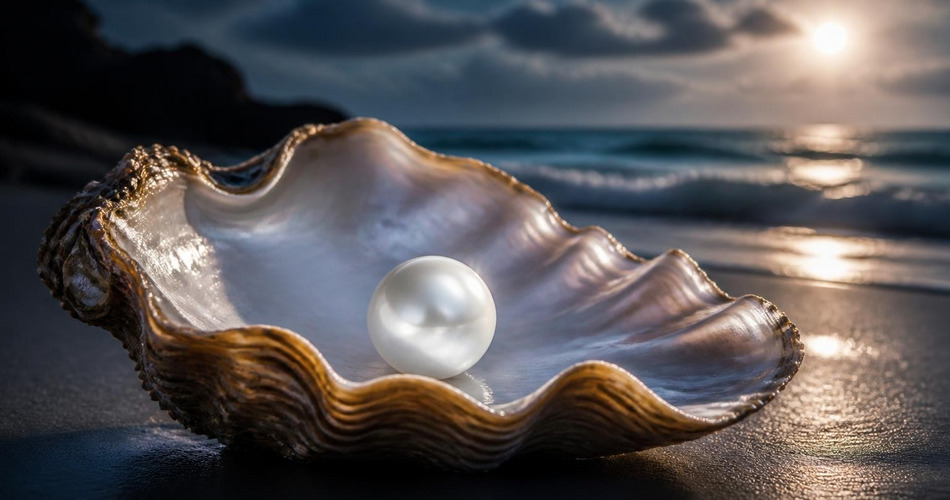
A pearl tattoo is a popular choice for those who want to express purity, wisdom, or resilience. The image of a pearl inside an open oyster shell is often used to symbolize the idea that beauty and strength can come from unexpected places. It can represent a personal journey of overcoming hardship or a commitment to staying true to oneself.
Pearl tattoos are also chosen for their aesthetic appeal — the soft, iridescent glow of the pearl contrasts beautifully with darker ink or colorful designs. They are often placed on the wrist, collarbone, or behind the ear, echoing the way pearls are worn as jewelry. For some, a pearl tattoo is a tribute to a loved one, symbolizing the preciousness of that relationship.
Meanings of Different Pearl Colors and Types
While white pearls are the most common and are associated with purity and innocence, pearls come in a variety of natural colors, each with its own symbolism.
- White pearls: Purity, innocence, new beginnings; the classic bridal pearl.
- Black pearls: Mystery, strength, and transformation; often associated with the ocean’s depths and the unknown.
- Pink pearls: Love, romance, and gentleness; a softer expression of affection.
- Gold pearls: Wealth, success, and prosperity; a symbol of abundance and achievement.
- Blue pearls: Calm, peace, and emotional healing; linked to the sea and the sky.
- Freshwater pearls: Often irregular in shape, they symbolize individuality and the beauty of imperfection.
- Saltwater pearls: Including Akoya and South Sea pearls, they are prized for their luster and represent rarity and high value.
Frequently Asked Questions
Q: What does a pearl symbolize in love?
A: In love, a pearl symbolizes purity, loyalty, and a love that grows stronger over time. It is often given as a gift to represent a lasting and faithful relationship.
Q: Is a pearl a symbol of good luck?
A: In many Asian cultures, pearls are considered lucky and protective. However, in some Western superstitions, they were thought to bring tears or bad luck, especially to brides.
Q: What does it mean when you dream about pearls?
A: Dreaming of pearls generally indicates hidden value, personal growth, or the reward of patience. It can also suggest that something precious is about to be revealed in your life.
Q: Why are pearls associated with tears?
A: The association comes from ancient myths that described pearls as the tears of gods, nymphs, or sorrowful maidens. This belief persisted in some superstitions where pearls were thought to bring sadness.
Related Symbols
- Oyster shell — the vessel of creation and protection.
- Moon — linked to the pearl’s glow and feminine energy.
- Dragon — in East Asian symbolism, the keeper of the pearl.
- Diamond — another symbol of purity and enduring value.
- Water — the element from which pearls are born.
- Lotus — like the pearl, a symbol of beauty emerging from murky depths.