Briefly
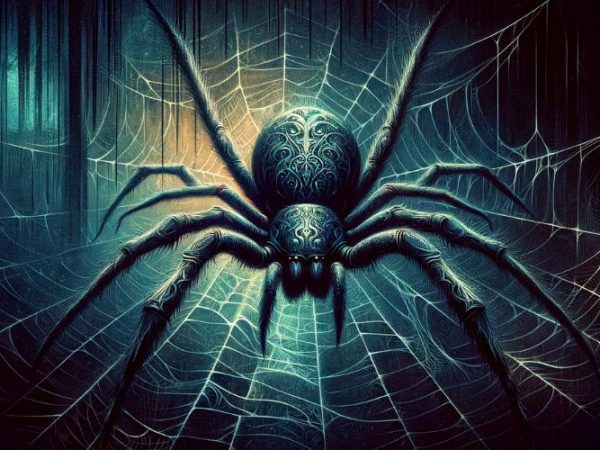
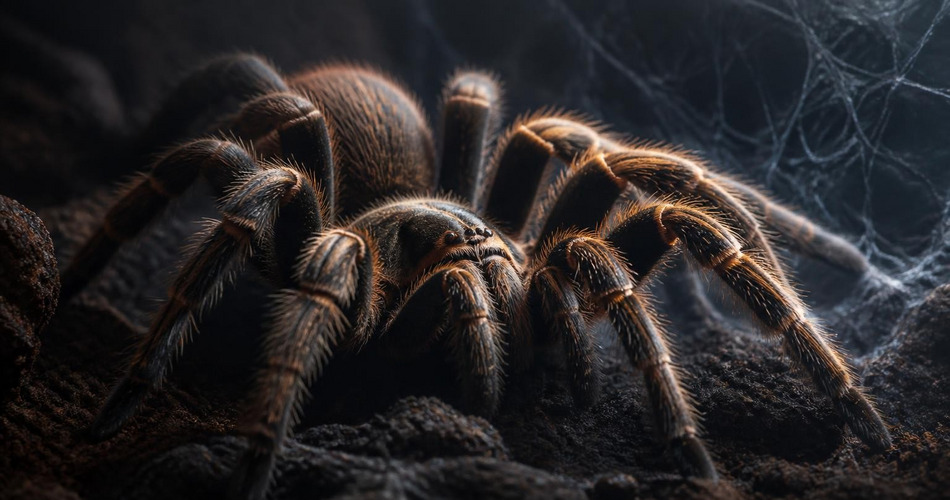
The tarantula is a large, hairy spider that evokes strong reactions of fear and fascination. Symbolically, it represents patience, creativity, and the shadow aspects of the self. As a creature that hunts from a hidden burrow, it embodies the power of waiting, strategy, and the transformative process of weaving one’s own web of destiny. At the same time, its venomous bite and intimidating appearance make it a universal symbol of danger, protection, and the primal fear of the unknown.
What Does Tarantula Symbolize?
The tarantula’s symbolism is rooted in its dual nature as both a feared predator and a master weaver. Across cultures, it represents patience and strategic waiting, as tarantulas often lie in ambush for prey. This quality links the tarantula to the idea of timing and the wisdom of knowing when to act. Its ability to spin silk and construct webs reflects creativity, the interconnectedness of life, and the act of shaping one’s own reality.
At the same time, the tarantula’s venom and aggressive defensive behavior make it a symbol of protection and hidden danger. In many traditions, the tarantula is seen as a guardian that uses its poison to ward off threats. It also embodies the fear of the unknown and the shadow side of human nature, confronting us with our deepest anxieties.
Positive and Negative Meanings of Tarantula Symbolism
Positive associations: The tarantula symbolizes patience, strategic thinking, and the ability to wait for the right moment. It is also associated with creativity, as its web-weaving represents the act of creating one’s reality. In some traditions, the tarantula is a guardian against harm, using its venom for protection.
Negative meanings: The tarantula often represents fear, anxiety, and the feeling of being trapped. Its venomous nature connects it to hidden dangers, betrayal, and the destructive power of secrets. The tarantula can also symbolize a looming threat that must be confronted.
History and Origins of Tarantula Symbolism
The name «tarantula» comes from the town of Taranto in southern Italy, where a local wolf spider was blamed for causing tarantism — a condition believed to induce hysteria, convulsions, and uncontrollable dancing. During the 15th to 17th centuries, the tarantella dance was performed as a musical cure for the alleged bite. Although the actual spider was later identified as a different species, the association between tarantulas and frenzied dance, madness, and ecstasy became embedded in European folklore.
This historical link adds a layer of transformative symbolism: the tarantula’s bite was thought to induce a trance-like state that required rhythmic movement to release. Thus, the tarantula became a symbol of both affliction and catharsis, representing the fine line between poison and remedy.
Tarantula Symbolism in Different Cultures
In Italian culture, the tarantella dance remains a potent symbol of the tarantula’s influence, often performed at weddings and festivals as a playful ritual. The spider itself is sometimes viewed with a mixture of fear and respect, as its venom can both harm and heal.
In Native American traditions, spiders are frequently revered as creators. The Hopi people tell stories of the Spider Grandmother, a wise and protective figure who weaves the web of life. While not always specifically a tarantula, large spiders like the tarantula are seen as embodiments of patience and the art of weaving. Some tribes consider the tarantula a trickster or a teacher who demonstrates the importance of careful planning.
In African folklore, the spider Anansi is a trickster and culture hero, known for his cleverness and ability to outwit larger creatures. Although Anansi is typically a smaller spider, the tarantula’s size and cunning hunting style align it with this archetypal intelligence and resourcefulness.
Spiritual Meaning of Tarantula
As a spirit animal, the tarantula calls for deep introspection and the courage to face one’s shadows. It encourages patience in creative endeavors and reminds us that great achievements often require long periods of preparation. The tarantula’s connection to the earth — dwelling in burrows — grounds its spiritual energy, offering a sense of stability and connection to the natural world.
The tarantula also represents transformation. Shedding its exoskeleton as it grows, it symbolizes the process of letting go of old identities to make room for new ones. This molting process is a powerful metaphor for personal growth and renewal, often appearing in shamanic traditions as a guide through life transitions.
Tarantula in Myths and Folklore
The most famous myth involving the tarantula is the Italian tarantella legend. According to folk belief, the bite of the tarantula (or a similar spider) caused a hysterical condition called tarantism, which could only be cured by dancing to specific music. This belief gave rise to the tarantella dance, a lively folk dance that continues to be performed today. The tarantula thus became a symbol of ecstatic release and the transformative power of music and movement.
In other folklore, tarantulas are often seen as omens. In some European traditions, killing a tarantula brings bad luck, while in others, finding one in the home is a sign of protection. In parts of South America, the tarantula is respected as a guardian of the forest, and its presence is believed to keep away evil spirits.
Tarantula in Dreams
Dreaming of a tarantula often reflects feelings of fear, vulnerability, or being trapped in a difficult situation. The tarantula may represent an external threat or an internal anxiety that needs to be addressed. Alternatively, it can symbolize a creative project that requires patience and careful planning.
The context of the dream is important: a friendly or calm tarantula may indicate that the dreamer is learning to accept their fears, while an aggressive tarantula suggests a looming challenge. The tarantula’s appearance in dreams frequently calls for introspection and the courage to confront what one is avoiding.
Common Dream Scenarios Involving Tarantulas
- Being bitten by a tarantula: Represents a fear that is about to manifest or a confrontation with a hidden danger.
- Seeing a tarantula: May indicate that you are aware of a subtle threat or are feeling anxious about something.
- Killing a tarantula: Symbolizes overcoming a fear or defeating a challenge.
- A tarantula in your home: Could reflect concerns about your personal space or security.
Tarantula in Superstitions and Omens
The tarantula is deeply embedded in superstition, particularly in southern Italy. The tarantella dance originated as a superstitious cure for the spider’s bite, and the belief that music could counteract venom persisted for centuries. In some rural areas, tarantulas are thought to bring good luck if they appear in the home, as they eat pests and are seen as protectors.
Conversely, many cultures view tarantulas as bad omens. Their sudden appearance is often interpreted as a warning of deception or hidden enemies. In modern times, superstitions about tarantulas have softened, but the general wariness of spiders continues to influence their symbolic meaning as creatures to be both feared and respected.
Tarantula in Art and Literature
Tarantulas have featured prominently in popular culture as symbols of primal fear. The 1955 science-fiction film Tarantula depicts a giant tarantula rampaging through the desert, reflecting Cold War anxieties about uncontrollable forces. In the James Bond film Dr. No (1962), a tarantula is placed on Bond’s chest while he lies immobilised, creating one of cinema’s most iconic scenes of suspense. This moment reinforces the tarantula’s association with vulnerability and the threat of unseen danger.
In literature, tarantulas appear in horror and adventure genres to evoke dread. The children’s book The Tarantula Scientist by Sy Montgomery presents a more respectful view, highlighting the spider’s beauty and ecological role. Tarantulas also appear in poetry and short stories as metaphors for hidden emotions or creative blocks, underscoring their rich symbolic range.
Tarantula Tattoo Meaning
Tarantula tattoos are chosen by those who wish to symbolise fearlessness, a fascination with the macabre, or a reminder to remain patient. The detailed, hairy appearance of the tarantula makes for a striking visual image, often rendered in realistic or stylised forms. In biker culture and among those who embrace a tough aesthetic, the tarantula tattoo represents protection and a warning to others.
For some, the tattoo is a personal emblem of transformation, referencing the tarantula’s ability to shed its skin and grow. It can also signify a connection to the earth and a respect for the darker aspects of nature. The tarantula’s poison sac is sometimes emphasised as a symbol of inner strength and the power to defend oneself.
Frequently Asked Questions About Tarantula Symbolism
Q: What does a tarantula symbolize spiritually?
A: Spiritually, the tarantula represents patience, creativity, and the need to face one’s deepest fears. It encourages introspection and the weaving of one’s own destiny.
Q: Is a tarantula a good omen?
A: In some cultures, seeing a tarantula is believed to bring good luck or protect the home, while in others it is seen as a warning of hidden dangers.
Q: What does it mean to dream of a tarantula?
A: Dreaming of a tarantula often signifies a hidden fear or a situation that feels threatening. It may also indicate a need for patience and strategic thinking.
Q: Why is the tarantula associated with dancing?
A: The association comes from the Italian tarantella dance, which was historically performed as a cure for the alleged bite of the tarantula, believed to cause hysterical movements.
Related Symbols
- Spider: The broader symbol of weaving fate, creativity, and interconnectedness.
- Scorpion: Another arachnid symbolising danger, protection, and transformation.
- Web: Represents entrapment, the product of one’s labour, and the interconnected nature of life.
- Snake: Often a symbol of fear, danger, and transformation, with parallels to tarantula symbolism.