
Briefly
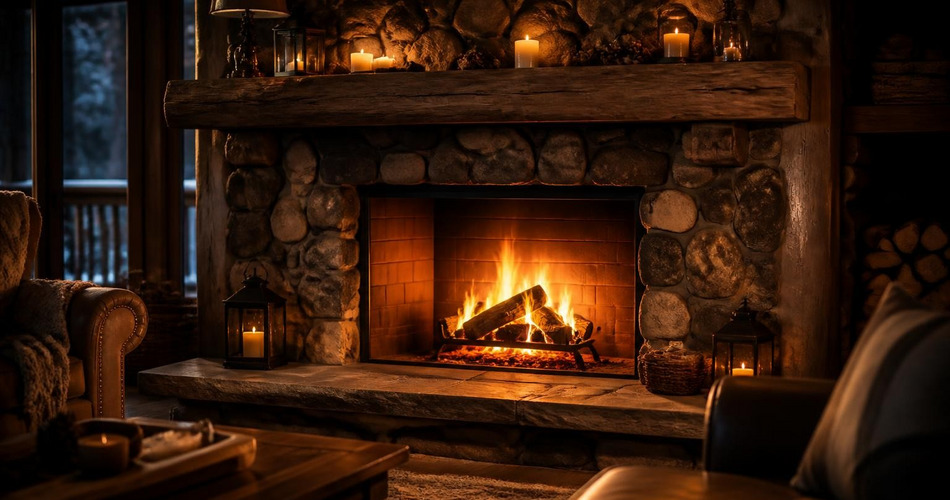
The fireplace has long been a central symbol of home, warmth, and gathering. It represents the heart of the household, where families come together for comfort and nourishment. Beyond its physical function, the fireplace embodies transformation, purification, and the eternal cycle of fire—both destructive and life-giving. Its symbolism spans cultures, appearing in myths, spiritual practices, and everyday life as a beacon of safety, community, and inner light.
What Does Fireplace Symbolize?
The fireplace primarily symbolizes the hearth—the emotional and physical center of a home. It stands for warmth, security, and familial bonds. In many traditions, the fireplace is also a symbol of transformation, as fire consumes fuel to produce heat and light, mirroring personal growth and change. Additionally, it represents purification, as fire burns away impurities, and hospitality, as the hearth has historically been a place where guests are welcomed and fed. The fireplace can also signify renewal, as the act of rebuilding a fire each day echoes the cycles of life and seasons.
Positive and Negative Meanings
Positive associations: The fireplace is overwhelmingly seen as a positive symbol. It evokes feelings of comfort, safety, and togetherness. It represents the warmth of family life, the glow of hospitality, and the steady light of hope. In spiritual contexts, the fireplace is a place of purification and meditation, where one can find inner peace and clarity. The crackling fire is often associated with relaxation and the simple joys of home.
Negative meanings: On the darker side, the fireplace can symbolize destruction, as uncontrolled fire can consume a home. It may also represent the dangers of unchecked passion or anger, as fire is a volatile element. In some interpretations, an empty or cold fireplace signifies loneliness, loss of family unity, or emotional barrenness. The ashes left behind can symbolize endings, decay, or the remnants of what once was.
History and Origins of Fireplace Symbolism
The fireplace has been a focal point of human dwellings since ancient times. Early humans gathered around open fires for warmth, protection, and cooking, making the fire the center of communal life. As architecture evolved, the fireplace became a permanent fixture in homes, especially in colder climates. In ancient Rome, the hearth was sacred to the goddess Vesta, and the Vestal Virgins maintained the eternal flame. Similarly, in ancient Greece, the hearth (hestia) was both a physical and spiritual center of the household, dedicated to the goddess Hestia. The symbolism of the fireplace as a unifying element has persisted through the Middle Ages, where the great hall’s hearth was the heart of the manor, and into modern times, where the fireplace remains a symbol of domestic comfort and tradition.
Fireplace Symbolism in Different Cultures
In many European cultures, the fireplace is synonymous with the concept of hygge (Danish) or gemütlichkeit (German)—a feeling of cozy, warm togetherness. In Celtic traditions, the hearth fire was considered sacred, and the home’s fire was never allowed to go out except for ritual cleansing. In Native American cultures, the central fire in a dwelling or council house represented the community’s life force and was treated with great respect. In East Asian cultures, such as in traditional Korean homes, the fireplace (or ondol heating system) symbolizes not only warmth but also the nurturing of family bonds. In Hindu tradition, the sacred fire (Agni) is central to rituals, and the household fire is a symbol of purity and divine presence. Across cultures, the fireplace consistently represents the spiritual and physical heart of the home.
Spiritual Meaning of Fireplace
Spiritually, the fireplace is a place of purification and meditation. The fire’s flames are seen as a conduit to the divine, burning away negative energies and offering clarity. In many traditions, sitting by the fireplace is a time for reflection, prayer, or storytelling. The hearth is also a symbol of the soul’s inner light—the eternal flame within each person. In alchemy, fire is one of the four elements, and the fireplace represents the transformative power of fire, turning raw materials into warmth and light, much like spiritual growth turns base experiences into wisdom. The fireplace can also symbolize the presence of ancestors, as the hearth was often the place where family histories were shared and remembered.
Fireplace in Myths and Folklore
In Greek mythology, the goddess Hestia presided over the hearth and home, and every household’s fireplace was considered her sacred space. The eternal flame of the hearth was never allowed to die, symbolizing the continuity of the family line. In Roman mythology, Vesta served a similar role, and the Vestal Virgins tended the sacred fire in her temple. In Norse mythology, the hearth was associated with the goddess Frigg and was a place of domestic harmony. Folklore from many cultures includes tales of hearth spirits or house guardians, such as the Scottish brownie or the Slavic domovoi, who were believed to live near the fireplace and protect the home. In some traditions, the fireplace was also a portal for spirits, and offerings were made to ancestors by the hearth.
Fireplace in Dreams
Dreaming of a fireplace often relates to themes of warmth, comfort, and emotional security. A lit fireplace in a dream can indicate a need for connection with family or a desire for a nurturing environment. It may also represent passion or creativity that is being kindled. An extinguished fireplace might suggest feelings of loneliness, emotional coldness, or a loss of vitality. The state of the fire—whether roaring, smoldering, or dead—can reflect the dreamer’s emotional state or the health of their relationships. Fireplaces in dreams can also symbolize transformation, as fire consumes old patterns to make way for new growth.
Common Dream Scenarios
- A roaring fireplace: Represents strong emotions, passion, or a vibrant social life. It may also indicate a period of intense creativity or energy.
- A dying or cold fireplace: Suggests emotional distance, loneliness, or a lack of warmth in relationships. It can be a call to rekindle connections.
- Cleaning out ashes from a fireplace: Symbolizes letting go of the past, clearing away old emotions, or preparing for a new beginning.
- A fireplace that won’t light: May indicate frustration, blocked creativity, or difficulty in expressing feelings.
- Gathering around a fireplace with others: Reflects a desire for community, family unity, or shared joy.
Fireplace in Superstitions and Omens
- In many European traditions, it is considered bad luck to let the hearth fire go out completely, as it symbolizes the loss of family prosperity.
- Some cultures believe that a fireplace that smokes excessively is a sign of impending arguments or discord in the home.
- Throwing salt into a fire is thought to ward off evil spirits, a practice rooted in ancient purification rituals.
- In some folklore, a sudden bright flame or spark from the fireplace is seen as a sign of a visitor or good news.
- Leaving ashes in the fireplace overnight is sometimes considered unlucky, as it may attract mischievous spirits.
Fireplace Tattoo Meaning
Fireplace tattoos are less common but carry deep personal symbolism. They often represent a person’s connection to home, family, or a place of comfort. A tattoo of a lit fireplace can symbolize warmth, security, and the enduring flame of love or memory. It may also be chosen to honor one’s heritage or a beloved childhood home. The fireplace tattoo can serve as a reminder to nurture one’s inner fire and to value the simple, grounding aspects of life.
Meanings of Different Types of Fireplaces
- Wood-burning fireplace: Symbolizes tradition, natural cycles, and the primal connection to fire. The need to gather wood and tend the fire represents effort and care in relationships.
- Gas fireplace: Represents modern convenience and controlled warmth. It may symbolize a more reserved or practical approach to comfort and family life.
- Electric fireplace: Often associated with imitation or artificiality. It can symbolize a desire for warmth without the mess or effort, or a longing for a traditional hearth in a modern setting.
- Outdoor fireplace or fire pit: Symbolizes communal gathering, celebration, and a connection to nature. It often represents social bonding and the enjoyment of the outdoors.
Frequently Asked Questions
Q: What does a fireplace symbolize in a dream?
A: In dreams, a fireplace typically symbolizes emotional warmth, family connections, and the state of one’s inner fire. A lit fireplace suggests comfort and passion, while a cold one may indicate loneliness or unresolved emotions.
Q: Is a fireplace a symbol of wealth?
A: Historically, having a large, ornate fireplace was a sign of status and wealth, especially in grand homes. However, today the fireplace is more universally a symbol of home and comfort rather than material wealth.
Q: Why is the fireplace considered the heart of the home?
A: The fireplace has been the center of domestic life for centuries—providing heat, light, and a place to cook. It naturally became the gathering spot for families, and its symbolic role as the heart of the home stems from this practical and emotional centrality.
Related Symbols
- Hearth – The physical and spiritual center of the home.
- Fire – The elemental force of transformation and purification.
- Home – The broader concept of shelter and family.
- Warmth – The emotional and physical comfort associated with the fireplace.
- Chimney – The conduit for smoke, often symbolizing the passage between inner and outer worlds.