Briefly
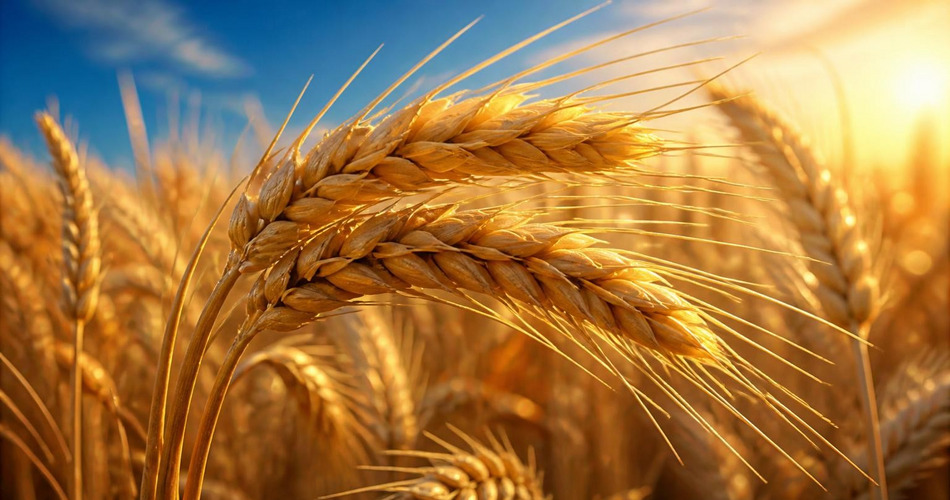
Wheat is one of the oldest cultivated crops and a universal symbol of sustenance, fertility, and the cyclical nature of life. Its golden grains represent abundance and reward after hard work, while the process of planting and harvesting mirrors themes of death and rebirth. Across cultures, wheat has been associated with agricultural deities, harvest festivals, and spiritual nourishment. It also carries meanings of prosperity, sacrifice, and the fleeting nature of physical existence.
What Does Wheat Symbolize?
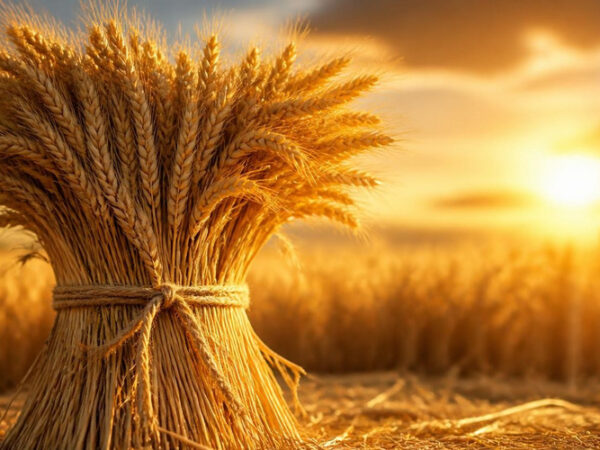
At its core, wheat symbolizes life itself — the basic sustenance that allows civilizations to thrive. Because wheat must be planted, grown, and reaped, it has become a metaphor for human effort yielding reward. The grain’s ability to be stored and used throughout the year links it to security and surplus. Wheat also embodies the cycle of seasons: the seed “dies” in the ground only to rise again, making it a powerful emblem of rebirth and renewal. In many traditions, a wheat sheaf represents the gathered community or the fruits of collective labor.
Positive and Negative Meanings
Positive associations: Wealth, prosperity, fertility, abundance, nourishment, hard work rewarded, harvest, community, generosity, and the sustaining power of nature. Wheat is often seen as a blessing from the divine and a sign of successful cultivation.
Negative meanings: Decay, ruin, the consequences of famine, the ephemeral nature of material wealth, and the inevitability of death (the “reaper” metaphor). A failed wheat crop can symbolize poverty, starvation, or a wasted effort. In some contexts, wheat can also represent the burdens of labor and the harshness of rural life.
History and Origins of the Symbolism
Wheat was first domesticated in the Fertile Crescent around 10,000 years ago, making it a cornerstone of the Neolithic Revolution. Its cultivation allowed permanent settlements and the rise of complex societies. From the earliest times, wheat was not only food but also a symbol of civilization itself. Ancient Egyptians buried wheat with their dead to ensure sustenance in the afterlife, while Mesopotamian myths saw the grain as a gift from the gods. The Roman goddess Ceres (from whom we get “cereal”) presided over wheat and harvests. Over millennia, wheat became embedded in religious rituals, art, and the calendar of agricultural festivals, cementing its role as a universal symbol of life and continuity.
Wheat Symbolism in Different Cultures
In ancient Egypt, wheat was associated with the god Osiris, who died and was reborn, reflecting the crop’s annual cycle. The Greeks honored Demeter, goddess of the harvest, and the Eleusinian Mysteries used wheat as a central symbol of death and resurrection. In the ancient Near East, wheat offerings were common in temples, and the Hebrew Bible frequently mentions wheat as a sign of God’s blessing (e.g., the Promised Land as “a land of wheat and barley”).
In Hinduism, wheat is used in sacred rituals and offerings; it is considered pure and auspicious. Native American traditions, particularly among the Pueblo peoples, revere “corn mothers,” but wheat grown after European contact took on new symbolic layers of survival and adaptation. In China, wheat is one of the five sacred grains and represents the emperor’s connection to agricultural prosperity. Across many European folk traditions, the last sheaf of wheat harvested — the “corn dolly” — was kept as a charm for next year’s fertility.
Spiritual Meaning
In Christianity, wheat carries profound spiritual significance. Christ is often symbolized as the “bread of life,” and the wheat grain that must fall to the ground and die to bear much fruit (John 12:24) represents his sacrifice and resurrection. The Eucharist uses unleavened wheat bread, making wheat a direct vehicle for divine grace. In Islam, wheat is mentioned in the Quran as a provision from Allah, and it symbolizes humility and reliance on the Creator. In a broader spiritual sense, wheat teaches patience — the seed must wait through winter before springing forth — and the value of letting go of the old self to enable new growth.
Wheat in Myths and Folklore
The Greek myth of Demeter and Persephone explains the seasons through the mourning of Demeter for her daughter; during Persephone’s absence, the wheat dies, and when she returns, it thrives. The Egyptian god Osiris is also linked to wheat: after his death, his body became the first wheat, sprouting from the soil. In Norse mythology, the god Freyr, associated with peace and fertility, was often depicted with wheat. Folklore from Europe and the Middle East includes numerous tales about the origin of wheat — often as a gift from a deity or a spirit that taught humans cultivation.
Wheat in Dreams
Dreaming of wheat generally points to abundance and fulfillment. A field of ripe wheat suggests that one’s efforts are about to pay off, while harvesting wheat can symbolize completing a long-term project. Withered or burnt wheat often warns of missed opportunities or impending hardship. The context of the dream — whether the wheat is golden or sickly, standing or cut — alters the interpretation. Because of its deep agricultural roots, wheat in dreams connects the dreamer to the natural cycles of effort and reward.
Common Dream Scenarios
- Seeing a vast field of golden wheat: Prosperity and success in endeavors.
- Harvesting wheat with others: Teamwork and communal achievement.
- Wheat being destroyed by storm or fire: Loss, anxiety about financial security, or fear of wasted effort.
- Eating bread made from wheat: Contentment, physical and spiritual nourishment.
- Planting wheat seeds: New beginnings, patience, and faith in future growth.
Wheat in Superstitions and Omens
- Throwing wheat grains at a wedding couple is an ancient fertility charm, still practiced as rice or confetti today.
- A sheaf of wheat hung in the home is believed to attract abundance and protect against hunger.
- Finding a stray ear of wheat in a field after harvest is considered lucky — a token of leftover prosperity.
- In some traditions, burning the last sheaf of wheat or keeping it as a “corn dolly” ensures the fertility of the next year’s crop.
- Spilling wheat was once seen as an omen of poverty, while a well-stocked granary signified divine favor.
Wheat in Art and Literature
Wheat has been a powerful visual motif in art. Vincent van Gogh’s series of wheatfield paintings — most famously “Wheatfield with Crows” (1890) — use the golden field as a symbol of life’s vitality and, with the looming dark sky, the approach of death. In literature, John Steinbeck’s “The Grapes of Wrath” uses wheat as a symbol of both natural abundance and the cruel exploitation of migrant farmers during the Dust Bowl. The Bible’s Parable of the Wheat and the Tares (Matthew 13) contrasts wheat (the good seed) with weeds (evil), emphasizing moral discernment at harvest time. In poetry, Paul Claudel’s “The Wheat” reflects on transformation through sacrifice. These examples show wheat’s versatility as a symbol, from celebratory to mournful.
Frequently Asked Questions
Q: What does wheat symbolize in the Bible?
A: In the Bible, wheat symbolizes God’s provision (the Promised Land as a land of wheat), the faithful (as in the Parable of the Wheat and Tares), and the sacrificial death and resurrection of Christ (the grain that dies to bring life).
Q: Is wheat a symbol of fertility?
A: Yes, wheat has been a universal symbol of fertility because its abundant grains represent the potential for new life and the continuation of the community.
Q: What does a wheat tattoo mean?
A: A wheat tattoo often represents personal growth, hard work, connection to nature, and a belief in the cycle of life. It can also honor one’s agricultural roots or symbolize resilience.
Q: Why is wheat used in weddings?
A: Wheat is thrown at weddings in many cultures as a fertility charm, wishing the couple abundance and many children. This tradition dates back to ancient Roman and Greek practices.
Related Symbols
- Barley – A similar cereal grain, often paired with wheat in agricultural symbolism and used in beer-making.
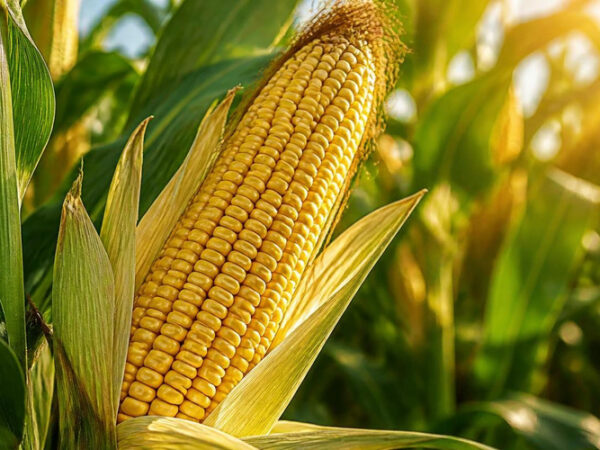
- Corn (Maize) – The staple grain of the Americas, sharing themes of fertility and sustenance.
- Bread – The processed form of wheat, symbolizing nourishment, community, and in Christianity, the body of Christ.
- Harvest Sickle – The tool used to cut wheat, representing the reaper and the inevitability of death.
- Ear of Grain – A universal symbol of abundance and the fruit of labor, often seen in flags and coats of arms.