Briefly
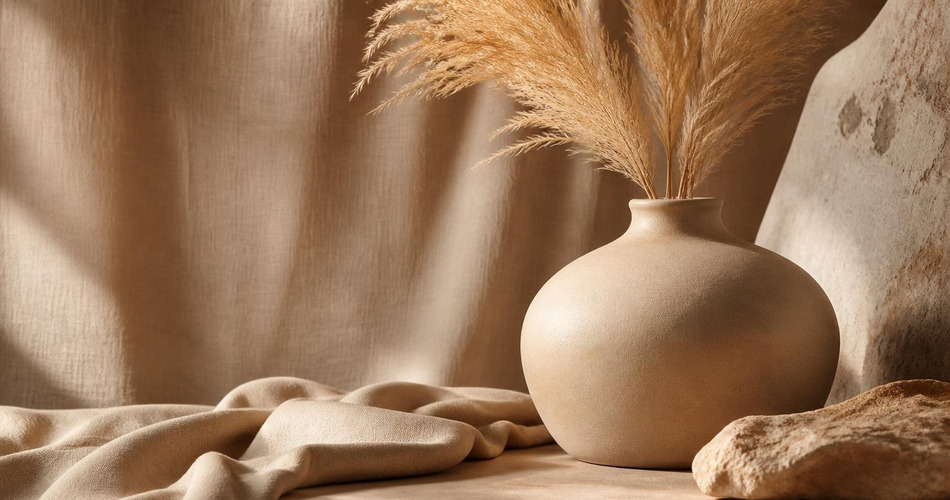
Beige is a pale, neutral color that sits between white and brown on the color spectrum. It is often associated with simplicity, calmness, and practicality, evoking a sense of warmth and comfort without being visually overwhelming. As a versatile background tone, beige symbolizes reliability and understated elegance, but it can also be perceived as dull or uninspired when used without contrast. Its meaning is shaped by context, from interior design to fashion and cultural traditions.
What Does Beige Color Symbolize?
Beige primarily symbolizes neutrality and balance. Because it lacks strong chromatic intensity, it represents a middle ground, making it a color of compromise and moderation. Beige also conveys simplicity and humility, often used to create a sense of order and calm. In many settings, it stands for reliability and practicality — beige is the color of natural materials like sand, stone, and unbleached wool, connecting it to the earth and a grounded, unpretentious lifestyle. Additionally, beige can symbolize warmth and comfort, especially in home environments where it creates a cozy, inviting atmosphere.
Positive and Negative Meanings of Beige Color
Positive associations: Beige is linked to calmness, stability, and approachability. It is a restful color that does not demand attention, making it ideal for backgrounds and spaces where focus is needed. In fashion, beige represents timeless elegance and versatility, pairing easily with other colors. Its earthy undertones evoke a sense of security and connection to nature.
Negative meanings: Beige can be perceived as boring, bland, or lacking personality. Without contrasting accents, it may feel sterile or monotonous. In some contexts, beige is associated with conformity and a reluctance to stand out, which can be interpreted as a lack of creativity or enthusiasm. Overuse of beige in design can result in an uninspired, washed-out appearance.
History and Origins of Beige Color Symbolism
The word “beige” entered English from French in the 19th century, originally referring to the natural color of undyed wool or cotton. Before that, the color was simply described as “natural” or “unbleached.” Beige gained prominence in the early 20th century with the rise of modernist design, which favored neutral palettes for their simplicity and functionalism. Architects and interior designers like Le Corbusier used beige to create serene, uncluttered spaces. In fashion, beige became a staple of classic, understated style, particularly in trench coats and tailored suits. Its symbolism as a practical, reliable color stems from these historical uses in everyday materials and utilitarian design.
Beige Color Symbolism in Different Cultures
In Western cultures, beige is often associated with elegance and sophistication in a minimalist context, as seen in high-end fashion and interior design. It is also linked to the concept of “quiet luxury” — an understated richness that does not rely on bright colors. In some Asian cultures, particularly in Japan, beige and other earth tones are valued for their connection to nature and simplicity, aligning with the aesthetic principles of wabi-sabi, which finds beauty in imperfection and natural materials. In Middle Eastern cultures, beige and sand tones are common in architecture and clothing, reflecting the desert landscape and a sense of harmony with the environment. However, in many cultures, beige lacks the strong symbolic weight of more vibrant colors, often serving as a neutral backdrop rather than a primary symbol.
Spiritual Meaning of Beige Color
In spiritual contexts, beige is not as prominent as colors like white or gold, but it can represent a state of inner peace and detachment from material excess. Its neutrality is seen as a grounding force, helping to quiet the mind and foster a sense of balance. Some color therapy traditions associate beige with the earth element, promoting feelings of security and stability. It is sometimes used in meditation spaces to create a calm, non-distracting environment that supports introspection. Beige can also symbolize humility and a willingness to blend in rather than assert ego, making it a color of spiritual simplicity.
Beige Color in Art and Literature
In art, beige often appears as a background or transitional tone rather than a focal point. However, some artists have used beige deliberately to evoke specific moods. For example, the American painter Edward Hopper employed muted beige and tan tones in works like Nighthawks to create a sense of quiet isolation and urban stillness. In literature, beige is rarely named explicitly but is often implied through descriptions of natural materials — sand, stone, linen, or parchment — that carry connotations of age, simplicity, or barrenness. The color’s understated quality makes it a tool for conveying realism and subtlety rather than dramatic symbolism.
Frequently Asked Questions
Q: Is beige a warm or cool color?
A: Beige is generally considered a warm neutral because it contains brown undertones, though it can lean cool if mixed with gray (greige).
Q: What colors go well with beige?
A: Beige pairs well with white, cream, navy, olive green, blush pink, and metallic accents like gold or bronze, creating balanced and sophisticated palettes.
Q: What does beige symbolize in fashion?
A: In fashion, beige symbolizes timeless elegance, practicality, and understated luxury. It is a versatile neutral that can be dressed up or down.
Related Symbols
- White — purity and simplicity, often used alongside beige for clean aesthetics.
- Brown — earthiness and stability, sharing beige’s natural, grounded qualities.
- Gray — neutrality and balance, but with a cooler, more somber tone.
- Tan — a warmer, more saturated version of beige, associated with leather and outdoor gear.
- Cream — a softer, more yellowish white, similar to beige in its comforting, warm effect.