Briefly
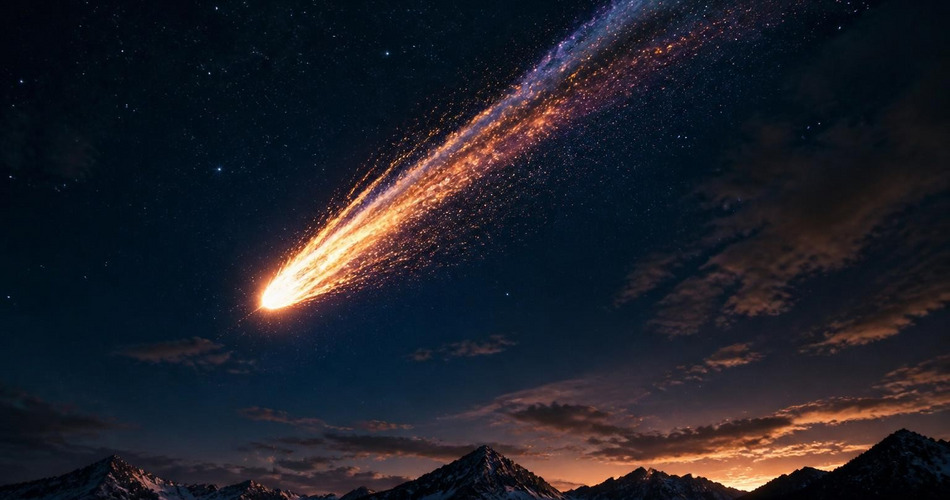
A meteor, often called a shooting star, is a streak of light caused by a meteoroid entering Earth’s atmosphere. Its brief, brilliant appearance has made it a powerful symbol of sudden change, fleeting moments, and celestial messages. Across cultures, meteors have been interpreted as omens—both positive harbingers of transformation and warnings of upheaval. Their dramatic entrance and rapid disappearance evoke awe, hope, and a reminder of the impermanence of all things.
What Does Meteor Symbolize?
Meteors symbolize sudden transformation and the arrival of unexpected events. Because they appear without warning and vanish quickly, they represent moments of intense clarity or revelation that can alter the course of a life. In many traditions, a meteor is seen as a bridge between the heavens and Earth—a sign that the cosmos is communicating directly with humanity.
The fleeting nature of a meteor also symbolizes impermanence. Its brief flash reminds observers that beauty and opportunity are often momentary, urging people to seize the present. At the same time, the meteor’s fiery trail suggests energy, passion, and the power to burn through obstacles.
Positive and Negative Meanings
Positive associations: Meteors are often linked to wishes and hopes. The folk tradition of making a wish upon a shooting star reflects a belief that these celestial streaks carry one’s desires to the universe. They also symbolize inspiration—a sudden spark of creativity or insight that illuminates the mind. In spiritual contexts, a meteor can represent a breakthrough, a new beginning, or a sign that positive change is imminent.
Negative meanings: Historically, meteors have been feared as omens of disaster, war, or the death of a ruler. Their unpredictable appearance and fiery descent can evoke destruction, chaos, and the collapse of established order. In some cultures, a meteor was interpreted as a warning from the gods, signaling that the world was out of balance. The association with fire and impact also ties meteors to violence and cataclysm.
History and Origins of Meteor Symbolism
Ancient civilizations recorded meteor sightings with a mixture of wonder and dread. The Chinese kept detailed records of meteor showers as early as the 7th century BCE, viewing them as reflections of earthly events—often linked to the fate of emperors or the health of the state. In medieval Europe, meteors were frequently interpreted as divine signs, either as miracles or as warnings of plague and war.
The scientific understanding of meteors as space debris only emerged in the 19th century, but symbolic interpretations persisted. Even today, the term “shooting star” retains its romantic and mystical connotations, blending ancient awe with modern knowledge.
Meteor Symbolism in Different Cultures
In Chinese culture, meteors were often seen as the souls of the dead ascending to heaven or as messengers from the celestial realm. Their appearance could foretell the rise or fall of a dynasty.
Native American tribes held varied beliefs. Some viewed meteors as spirits traveling across the sky, while others considered them omens of war or famine. The Lakota people, for example, associated meteors with the movement of the stars and the ongoing story of creation.
In Islamic tradition, meteors are sometimes described in the Quran as “shooting stars” used to drive away eavesdropping jinn, linking them to protection and divine power.
Western folklore commonly treats meteors as falling stars that grant wishes. This practice likely originated from the idea that a star’s light is a connection to the divine, and catching that moment of descent allows one to send a prayer directly to heaven.
Spiritual Meaning of Meteors
In spiritual circles, a meteor is often seen as a sign of awakening. Its sudden appearance can jolt a person out of routine thinking, prompting a shift in perspective. The meteor’s light is considered a form of cosmic energy that cleanses and renews, much like a lightning bolt clears the air.
Some modern spiritual interpretations view meteors as symbols of synchronicity—a meaningful coincidence that confirms one is on the right path. Seeing a meteor during meditation or at a pivotal moment may be interpreted as a direct message from the universe to embrace change.
Meteor in Myths and Folklore
One of the most enduring folk beliefs is that a shooting star grants a wish. This tradition appears across Europe, the Americas, and Asia, often tied to the idea that stars are living beings or divine lights. In some versions, the wish must be made before the meteor’s light fades, emphasizing the importance of timing.
In Greek mythology, meteors were sometimes associated with the chariot of the sun god Helios or with the tears of the gods. The story of Phaethon, who lost control of the sun chariot and scorched the Earth, has been linked to meteor showers as a cautionary tale about hubris.
Japanese folklore tells of the “star festival” Tanabata, where two lovers represented by stars meet once a year. Meteors are seen as tears of joy or sadness from these celestial beings.
Meteor in Dreams
Dreaming of a meteor often reflects a sense of urgency or impending change in the dreamer’s life. The bright streak can symbolize a sudden insight or a warning that something dramatic is about to occur.
Common dream scenarios include:
- Seeing a meteor streak across the sky – often interpreted as a sign of good luck, a wish coming true, or a moment of clarity.
- A meteor falling close to you – may represent a fear of disaster or a feeling that a crisis is imminent.
- A meteor exploding in the sky – can symbolize a sudden release of tension, a breakthrough, or the end of a stressful period.
- Being hit by a meteor – often reflects a sense of being overwhelmed by external forces or a major life event that feels out of control.
- Watching a meteor shower – suggests abundance of opportunities, multiple changes, or a period of heightened spiritual activity.
Meteor in Superstitions and Omens
Superstitions about meteors vary widely, but common themes include:
- Making a wish – the most widespread superstition: if you see a shooting star, make a wish before it disappears and it will come true.
- Omen of death – in some European traditions, a meteor was believed to foretell the death of a king or a great leader.
- Sign of war – a bright meteor or shower was sometimes interpreted as a portent of battle or conflict.
- Fertility symbol – in a few agricultural societies, a meteor was seen as a sign that the land would be fruitful, perhaps because of its association with fire and renewal.
- Protective charm – meteorites (fallen meteors) have been used as amulets for protection, believed to carry the power of the sky.
Meteor Tattoo Meaning
Meteor tattoos are chosen to represent transformation and the beauty of fleeting moments. The design often shows a bright streak across the skin, sometimes with stars or a tail of light. People who have undergone major life changes—such as recovery from illness, a career shift, or a spiritual awakening—may choose a meteor tattoo as a permanent reminder of that pivotal instant.
The meteor tattoo can also symbolize a wish or a dream that one carries close. Its ephemeral nature contrasts with the permanence of ink, making it a poignant statement about holding onto hope even in the face of impermanence.
Frequently Asked Questions
Q: What does it mean when you see a meteor?
A: Seeing a meteor is often interpreted as a sign of change, a moment of inspiration, or a reminder to pay attention to the present. Many people also view it as an opportunity to make a wish.
Q: Are meteors considered good luck?
A: In many cultures, yes—especially if you make a wish upon seeing one. However, historically they were also seen as omens of disaster, so the meaning depends on context and cultural background.
Q: What is the difference between a meteor and a shooting star?
A: A shooting star is the common name for a meteor—the visible streak of light. The terms are used interchangeably in symbolism, though scientifically a meteor is the light phenomenon, while the object itself is a meteoroid.
Q: Can a meteor symbolize death?
A: In some traditions, yes. A meteor was sometimes seen as a soul leaving the Earth or as a warning of a ruler’s death. But this interpretation is less common today.
Related Symbols
- Comet – a longer-lasting celestial body, often associated with major events and prophecy.
- Shooting star – essentially the same as a meteor, but more commonly used in wish-making folklore.
- Asteroid – a larger space rock, symbolizing hidden dangers or ancient origins.
- Lightning – shares the sudden, bright, and transformative qualities of a meteor.
- Fire – represents the destructive and purifying aspects of a meteor’s entry.